U.S. soldier’s remains recovered off Morocco after military exercise disappearance
A Moroccan search team found 1st Lt. Kendrick Lamont Key Jr. off the Cap Draa coast, a week after he vanished during an off-duty hike.

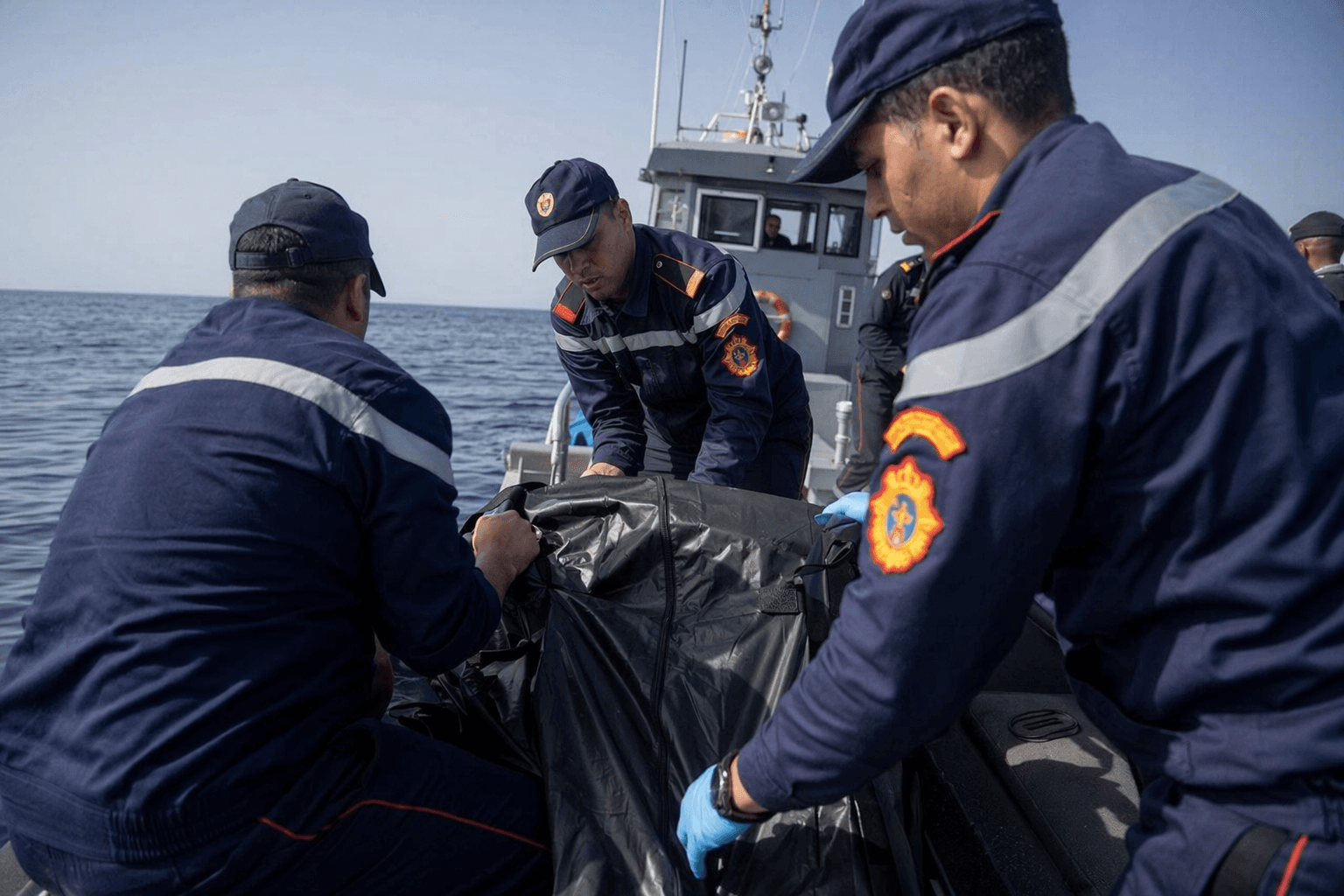
The Atlantic Ocean gave up the body of 1st Lt. Kendrick Lamont Key Jr., a 27-year-old Army Air Defense Artillery officer from Richmond, Virginia, after a week of searching along Morocco’s southwestern coast. A Moroccan military search team recovered his remains near the Cap Draa Training Area at about 8:55 a.m. local time on May 9, within about a mile of where Key and another U.S. soldier were last seen entering the water.
Key disappeared on May 2 during African Lion 26, a multinational exercise led by U.S. Africa Command that brought thousands of troops from more than 40 countries to Morocco and other locations. The soldiers were off duty and reportedly on a recreational hike near the coast when one fell into the ocean. Others tried to rescue them, but both service members were swept into the incident near the border where the Sahara Desert meets the Atlantic shoreline.
Military teams continued searching Sunday for the second missing soldier, whose name has not been released. More than 1,000 U.S. and Moroccan military and civilian personnel joined the effort, using ground teams, aircraft, unmanned systems and maritime assets. U.S. Navy and Coast Guard personnel also supported the search, while U.S. Army Europe and Africa said Moroccan forces contributed mountaineering and dive teams.
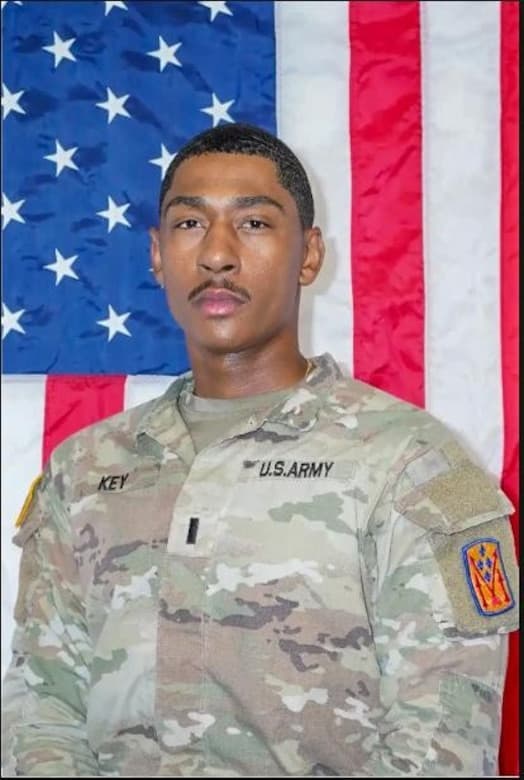
Key served with Charlie Battery, 5th Battalion, 4th Air Defense Artillery Regiment, part of the 10th Army Air and Missile Defense Command. He entered the Army in 2023 through Officer Candidate School, was commissioned in 2024, completed training at Fort Sill, Oklahoma, and joined his unit in 2025. Before his military career, he earned a bachelor’s degree in marketing from Methodist University in North Carolina.
Brig. Gen. Curtis King said the Army mourned Key’s loss and extended condolences to his family, friends, teammates and fellow service members. Lt. Col. Chris Couch described Key as a selfless, inspirational leader. Their remarks underscored the human cost behind a training mission that now raises hard questions about risk management far from home.
African Lion is meant to strengthen readiness and partnerships across a vast multinational force. Key’s death, and the continuing search for the second soldier, shows how quickly an overseas exercise can shift from routine training to a rescue operation measured in helicopters, search teams and hours against a dangerous coastline. The final accounting will likely focus not only on recovery, but on whether the safeguards around off-duty movement near the water were enough.
Know something we missed? Have a correction or additional information?
Submit a Tip