Iran publicly rebukes Trump pressure, threatening Geneva nuclear talks
Tehran accuses President Donald Trump of spreading "big lies" and refuses to be cornered as indirect U.S.-Iran negotiations in Geneva begin, raising stakes for inspections and sanctions relief.
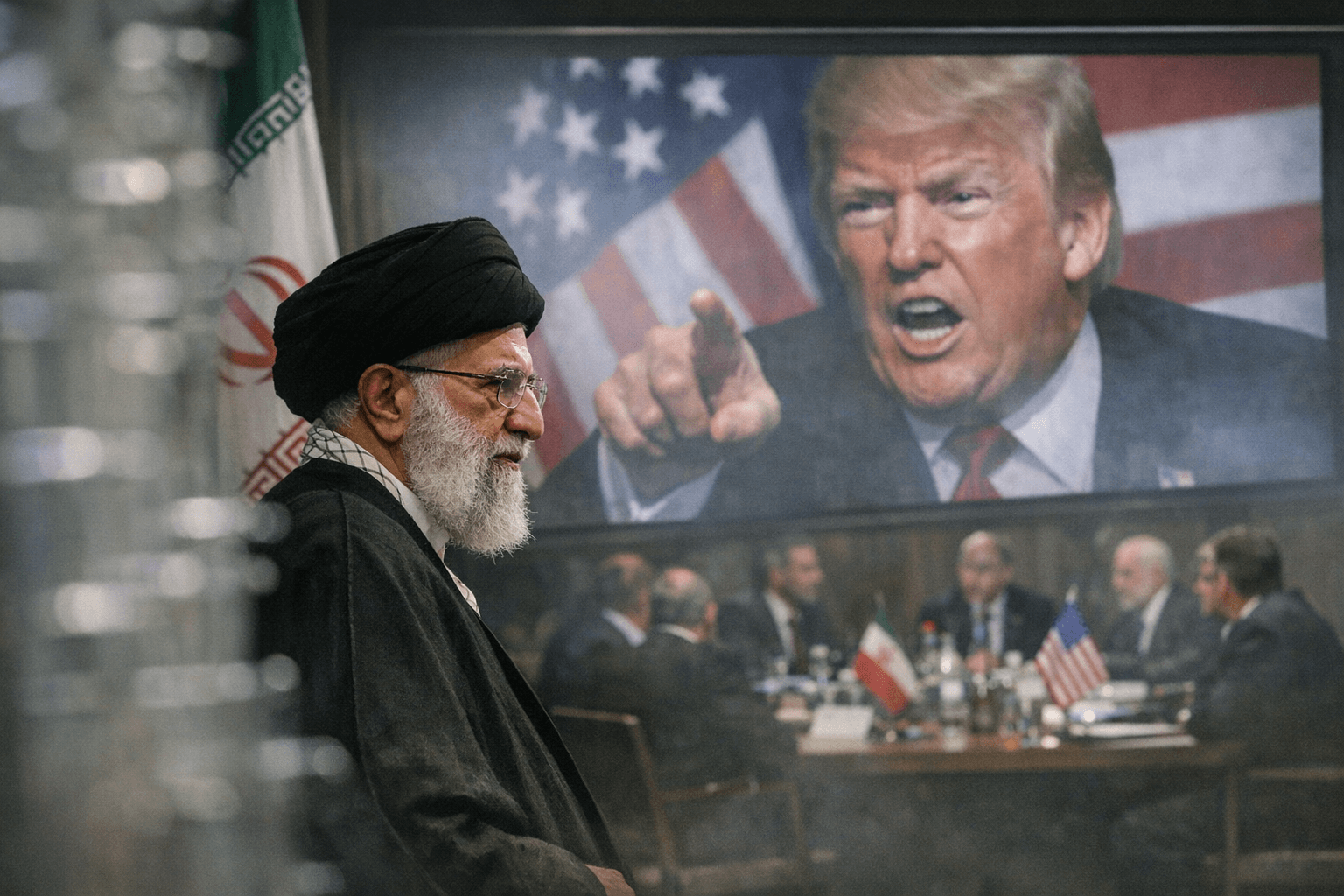
Iranian officials publicly pushed back against President Donald Trump's pressure campaign on Feb. 25, warning that the White House's high-profile rhetoric risks undermining a new round of indirect U.S.-Iran talks in Geneva and narrowing room for compromise on nuclear controls and sanctions relief.
Spokespeople in Tehran alternated between accusing Trump of spreading "big lies" and framing the forthcoming talks as ones Tehran will enter only on its own terms. The confrontation arrives as European intermediaries working to shuttle proposals between Washington and Tehran convene envoys in Geneva to try to bridge gaps that have persisted since comprehensive talks collapsed years ago.
The immediate operational consequence is clear: negotiators face a slimmer negotiating window. Irreversible steps by both capitals over the past year, expanded Iranian enrichment activity and stepped-up U.S. sanctions enforcement, mean any breakdown in diplomacy could accelerate changes to Iran's fuel-cycle infrastructure and prompt new rounds of financial and trade penalties that would affect ordinary Iranians and global markets. Western diplomats say even short-lived setbacks in Geneva could complicate International Atomic Energy Agency monitoring and make verification more difficult, reducing trust in any eventual deal.
European Union envoys have framed the Geneva exchanges as technical and indirect: Washington will not meet Tehran face to face, and third-party mediators are expected to pass offers back and forth. That architecture makes public messaging particularly consequential. President Trump's repeated public condemnations and social media campaigns, U.S. officials acknowledge privately, are intended to satisfy domestic constituencies and allied capitals skeptical of engagement with Tehran. Tehran's response signals it sees those moves as bargaining tactics meant to pre-empt concessions.
The standoff also carries broader regional implications. Saudi Arabia and Israel, both wary of any return to a nuclear compromise that could ease sanctions on Iran, have already pushed their own hardline responses in recent months. A collapse of Geneva diplomacy would likely intensify covert and overt competition across the Gulf, with consequences for oil supply lines and shipping insurance rates that ripple into global energy prices and commercial trade.
Tehran's domestic politics help explain the timing and tone of its rebuttal. Hardline factions that oppose concessions to the United States retain substantial influence in the parliament and security establishments. Public denunciations of American statements allow Iranian negotiators to engage in Geneva without appearing to capitulate at home, creating a tactical separation between diplomatic activity and domestic messaging.
For mediators, the path forward will hinge on whether Washington can temper public pressure long enough to allow confidential give-and-take, and whether Tehran will reciprocate with verifiable steps that reassure inspectors and Western capitals. Failure to do so would rapidly convert a focused diplomatic exercise in Geneva into a broader geopolitical crisis, with immediate economic effects on sanctions, banking ties, and investor confidence. The coming days will test whether indirect diplomacy can survive the loud politics that now surround it.
This article was produced by Prism’s automated news system from verified source data, official records, and press releases, then run through automated quality and moderation checks before publishing. The system is built and supervised by the people who set the standards it runs under. Read our full AI policy.
Did this article answer your question?


