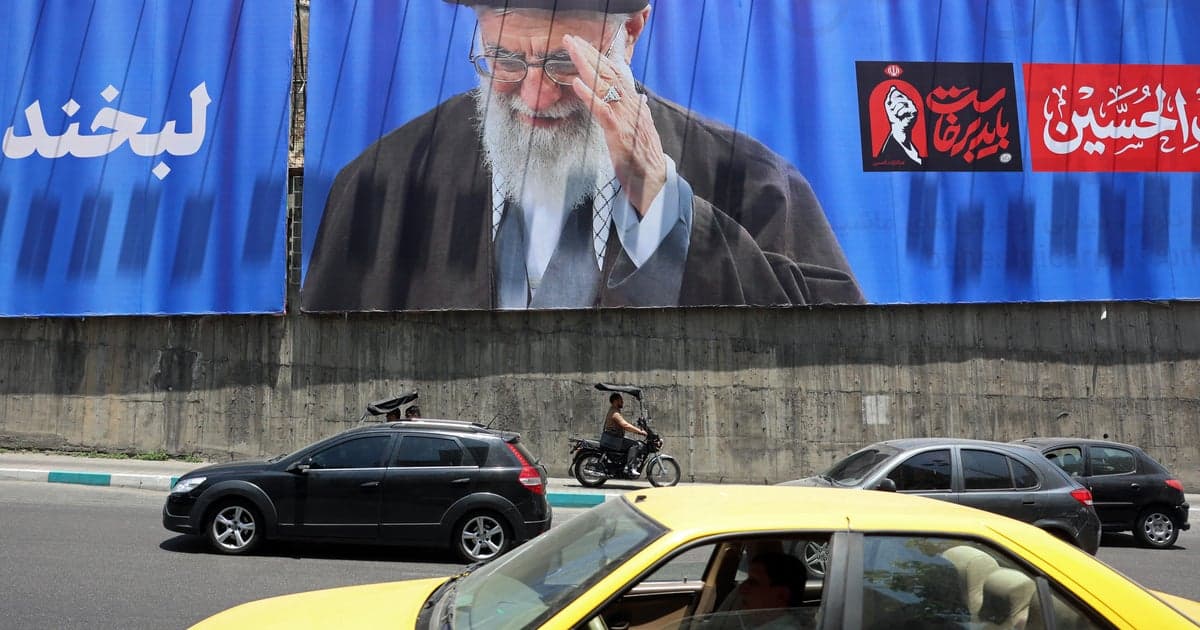
Iran reviews U.S. reply to 14-point peace proposal through Pakistan
Iran is weighing a U.S. reply to its 14-point plan, with Pakistan relaying the message as both sides dispute ceasefire terms and sanctions relief.
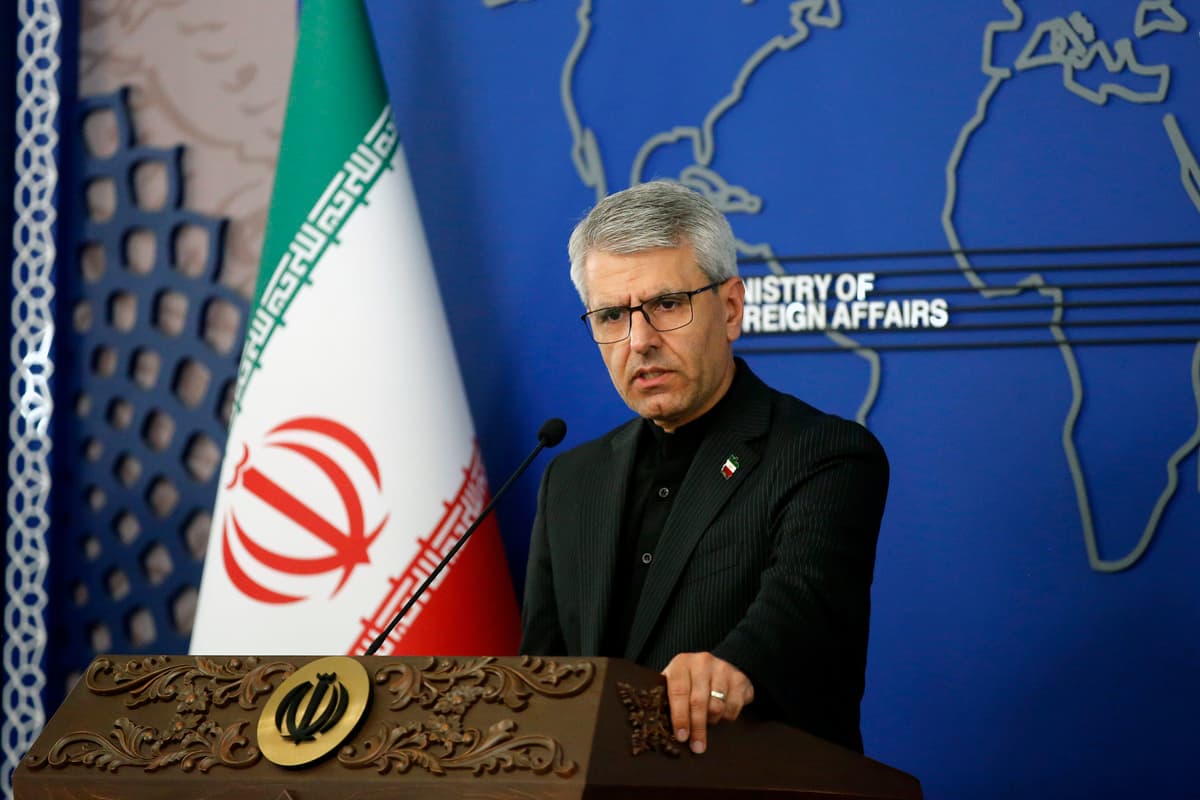
An Iranian yes to the 14-point proposal would quickly shift the war toward a ceasefire, ease pressure on the Strait of Hormuz and regional shipping, and likely cool oil markets; a no or a delay would keep escalation risk high and leave Washington deciding how hard to press Tehran. That choice now sits in the hands of Esmail Baghaei and Iran’s foreign ministry, which said late Wednesday that Tehran was reviewing an American response and would send its answer through Pakistan.
Pakistan has emerged as the key intermediary in a back-channel exchange that both sides have used to avoid a direct public breakdown. The Iranian proposal is being described as a 14-point plan that follows a U.S. nine-point framework, and Iranian reporting says Tehran is trying to compress the process into roughly 30 days rather than the two-month ceasefire period in the American draft. Baghaei, quoted by Iranian media, said the proposal is focused on ending the war and that nuclear negotiations are not part of it at this stage.

The substance of the plan explains why the talks remain difficult. Reported Iranian demands include guarantees of non-aggression, the withdrawal of U.S. military forces, lifting a naval blockade, freeing frozen Iranian assets, payment of compensation, sanctions relief and an end to fighting across the region, including in Lebanon. Some reports also say Tehran wants a new mechanism for the Strait of Hormuz, a chokepoint that would matter immediately for oil flows and shipping costs if tensions rose again.
Donald Trump has already signaled resistance. He said publicly that he was not satisfied with the Iranian proposal and suggested he would probably reject it, adding that Iran had not yet “paid a big enough price.” That puts the White House in a familiar position: weighing whether to accept a deal that locks in de-escalation now, or hold out for more concessions on security, sanctions and regional force posture.
There was no immediate public confirmation of Washington’s response, and Islamabad also did not publicly confirm the contents of the exchange. For now, the only clear movement is procedural: the United States’ reply went to Pakistan, Pakistan passed it onward, and Iran is deciding whether the current opening is enough to stop the war before the ceasefire clock runs out.
This article was produced by Prism’s automated news system from verified source data, official records, and press releases, then run through automated quality and moderation checks before publishing. The system is built and supervised by the people who set the standards it runs under. Read our full AI policy.
Did this article answer your question?