Trump says Iran war will end soon as Strait of Hormuz tensions rise
Trump says the war will end soon, but the Strait of Hormuz has become a live test of that claim, with ships trapped and oil markets already jolted.
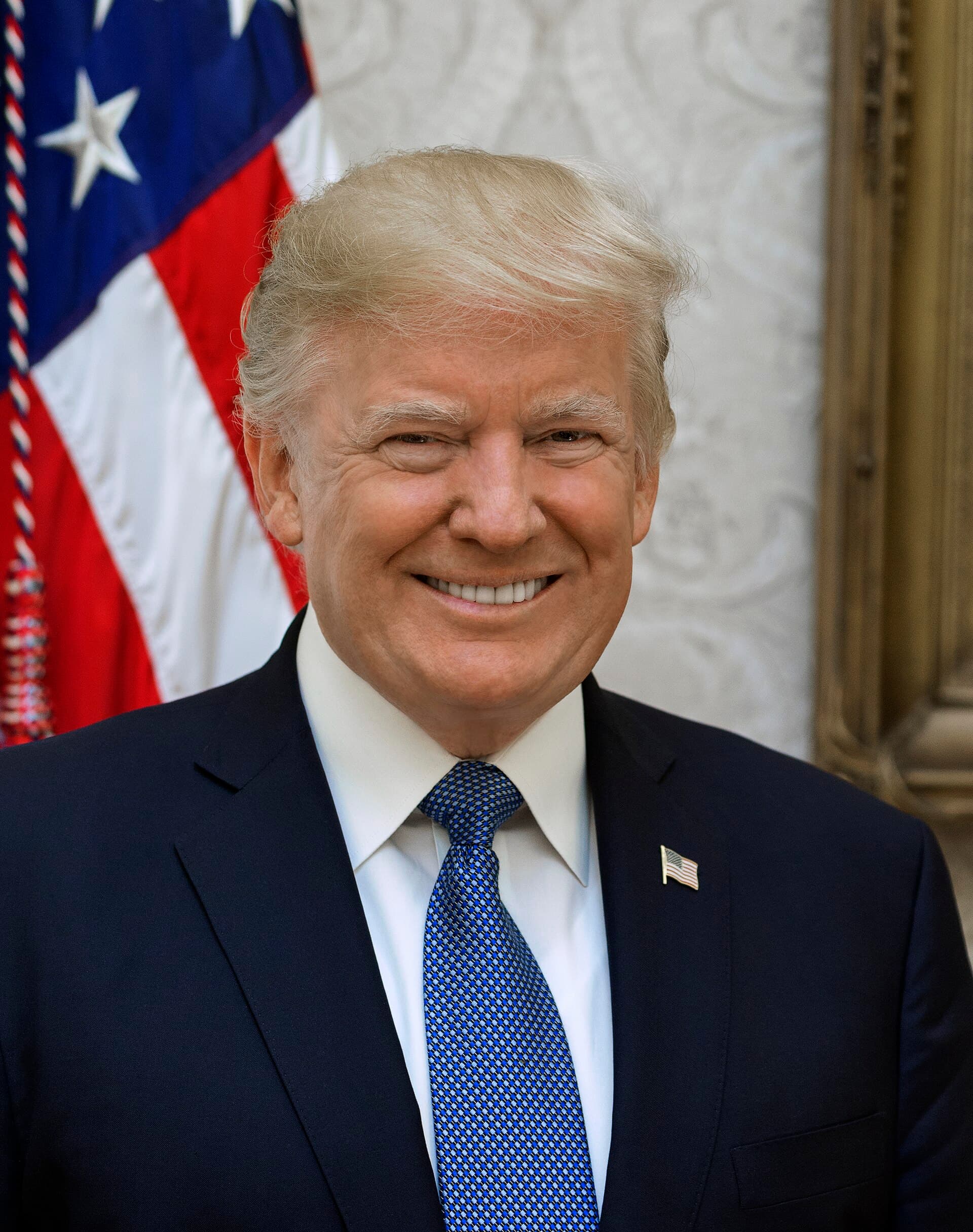
Donald Trump’s insistence that the war with Iran will end quickly collides with a far harsher reality in the Strait of Hormuz, where attacks on commercial vessels have left global shipping, energy supplies and civilian seafarers under immediate pressure.
The stakes are unusually clear. The U.S. Energy Information Administration says about 20 million barrels of oil a day moved through the strait in 2024, equal to roughly 20% of global petroleum liquids consumption. It also says there are very few alternative routes if the waterway is closed, making any disruption a threat not just to the Gulf region but to fuel prices and supply chains far beyond it.
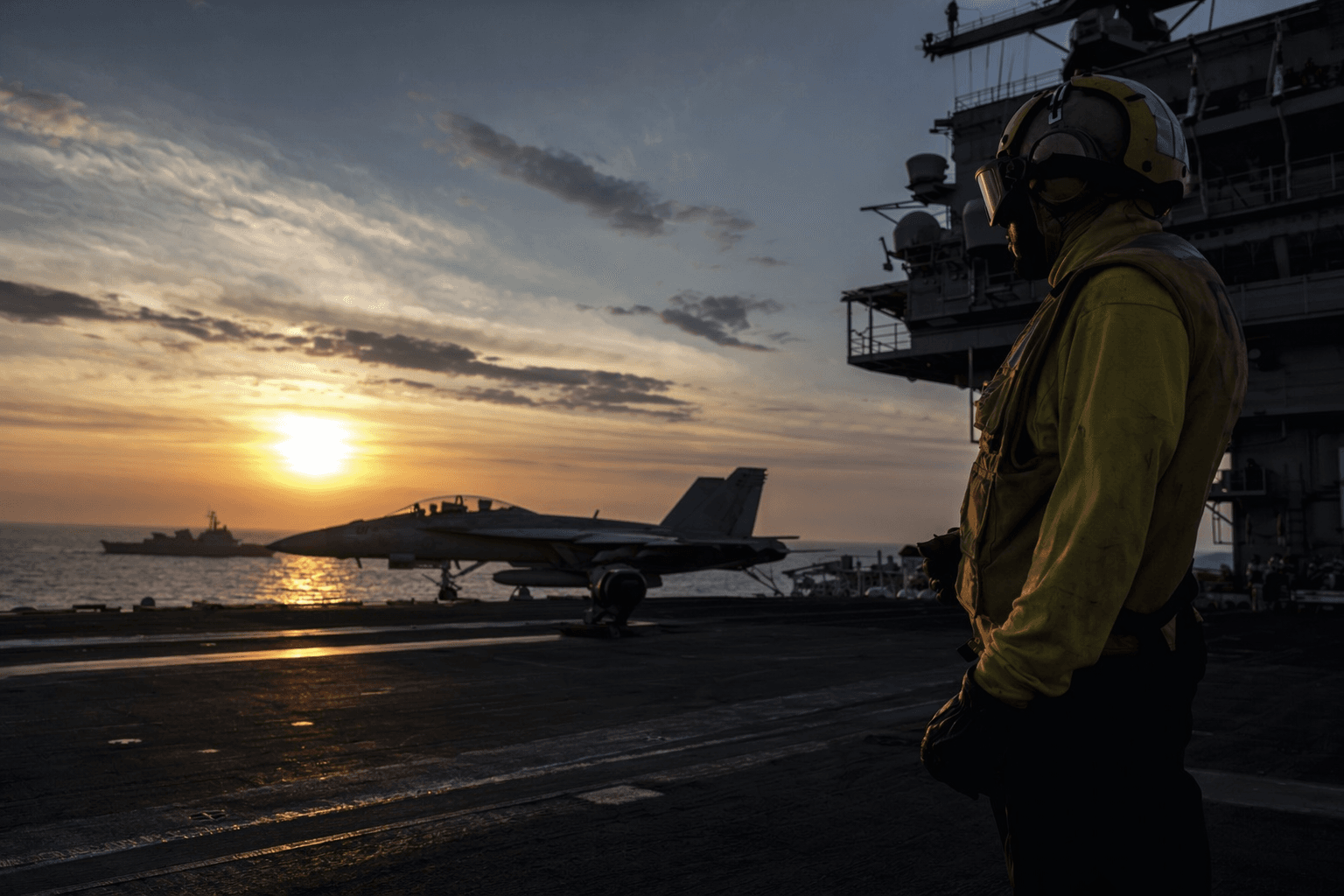
The International Maritime Organization says it is monitoring more than 20,000 seafarers in the region, including crews stranded aboard vessels that cannot exit the strait. Since Feb. 28, the agency said it had confirmed 21 attacks on commercial ships, with 10 seafarer fatalities. On March 1, it said there were four confirmed attacks at the outset of the crisis. By March 13, attacks on merchant vessels were still continuing, with more deaths and serious injuries.
IMO Secretary-General Arsenio Dominguez has condemned the violence and called for a coordinated international response. “No attack on innocent seafarers or civilian shipping is ever justified,” the organization said, a reminder that the human cost is mounting alongside the geopolitical one.
The United States has already pushed into the shipping fight through Project Freedom, a U.S.-led effort to guide commercial ships through the Strait of Hormuz. CBS News reported that Iran attacked vessels taking part in that operation and that U.S. forces sank Iranian boats that tried to interfere, underscoring how easily a maritime escort mission can become a direct military confrontation.
The economic shock is no abstraction. CBS News reported that crude briefly spiked above $126 a barrel in earlier market reaction to the conflict, a sign of how quickly the world’s most important oil chokepoint can rattle traders. The Strait of Hormuz connects the Persian Gulf with the Gulf of Oman and the Arabian Sea, and it sits at the center of a dispute that Washington and Tehran have been fighting over for decades.
CNN reported that U.S. and Iranian officials were moving toward a short memorandum to end the war, though earlier talks had fallen apart. Pakistan has played a mediation role, while Defense Secretary Pete Hegseth has described the escort effort as separate and temporary. For now, the gap between political optimism and maritime reality remains wide, and the world is still counting barrels, hulls and casualties.
This article was produced by Prism’s automated news system from verified source data, official records, and press releases, then run through automated quality and moderation checks before publishing. The system is built and supervised by the people who set the standards it runs under. Read our full AI policy.
Did this article answer your question?


