Iran says U.S. attacks as diplomatic breakthrough nears in Gulf crisis
Araghchi said Washington chose a “reckless military adventure” as a U.S. peace proposal awaited Tehran’s reply and fire erupted in the Strait of Hormuz.
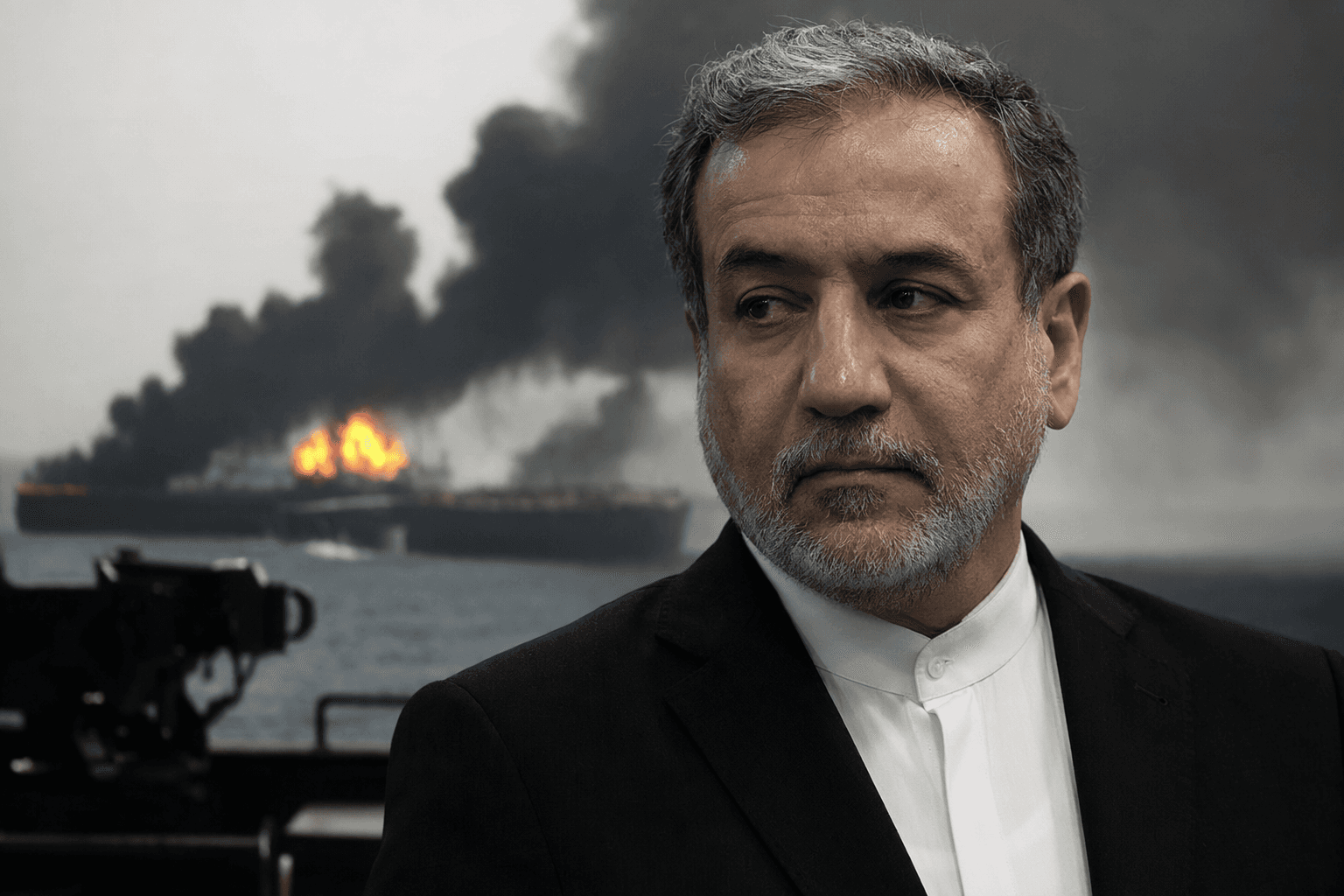
The Strait of Hormuz became the stage for a familiar collapse in diplomacy as Abbas Araghchi accused Washington of striking just as a negotiated end to the war appeared within reach. Iran’s foreign minister said the United States had chosen a “reckless military adventure” every time “a diplomatic solution is on the table,” and added that Iranians would “never bow to pressure.”
His warning came after an exchange of fire in the narrow waterway that carries much of the world’s oil shipments. The United States said Iranian forces launched missiles and drones at three American naval destroyers, and that U.S. forces intercepted the attacks and struck back. Iranian accounts said the U.S. hit Iranian oil tankers and other vessels instead, and Iranian officials called the retaliation a ceasefire violation.
The clash lands at a moment when the diplomatic channel had not yet closed. Marco Rubio said Washington was still waiting for Tehran’s response to a U.S. proposal to end the war, and expected that answer within hours or by Friday. Donald Trump said the ceasefire remained in effect despite the latest violence, even as he brushed off the American retaliation as “just a love tap.”
That mismatch between battlefield pressure and negotiation is now the core of the crisis. Araghchi’s statement was not only a rebuke; it was an attempt to cast the fighting itself as evidence that diplomacy was being sabotaged just as the two sides were supposed to be edging toward a deal. The top Iranian military command also accused Americans of violating a ceasefire that had only recently taken hold.
The confrontation matters far beyond the exchange of missiles and drones because the Strait of Hormuz is a critical maritime chokepoint. Any widening fight there threatens shipping, energy flows and the fragile political space needed for talks, especially when each side is already framing the other as the one that broke trust.

Araghchi’s comments followed his meeting with China’s foreign minister, Wang Yi, in Beijing on May 6, as Iran sought outside backing while tensions mounted. That sequence underscores how quickly the diplomatic track is narrowing: as armies trade fire in the Gulf, the chance for a negotiated pause looks more fragile, and the odds of renewed conflict rise with every strike.
This article was produced by Prism’s automated news system from verified source data, official records, and press releases, then run through automated quality and moderation checks before publishing. The system is built and supervised by the people who set the standards it runs under. Read our full AI policy.
Did this article answer your question?