U.S. warns Taiwan defense delays would concede ground to China
Washington said delays in Taiwan’s defense budget would amount to a "concession" to China, as Taipei left out missile, air defense and drone systems. The fight was about readiness, not accounting.

Washington treated Taiwan’s defense slowdown as a test of resolve, not a routine budget dispute, after Taipei’s legislature approved a smaller-than-requested package that left out key air defense and counter-drone projects.
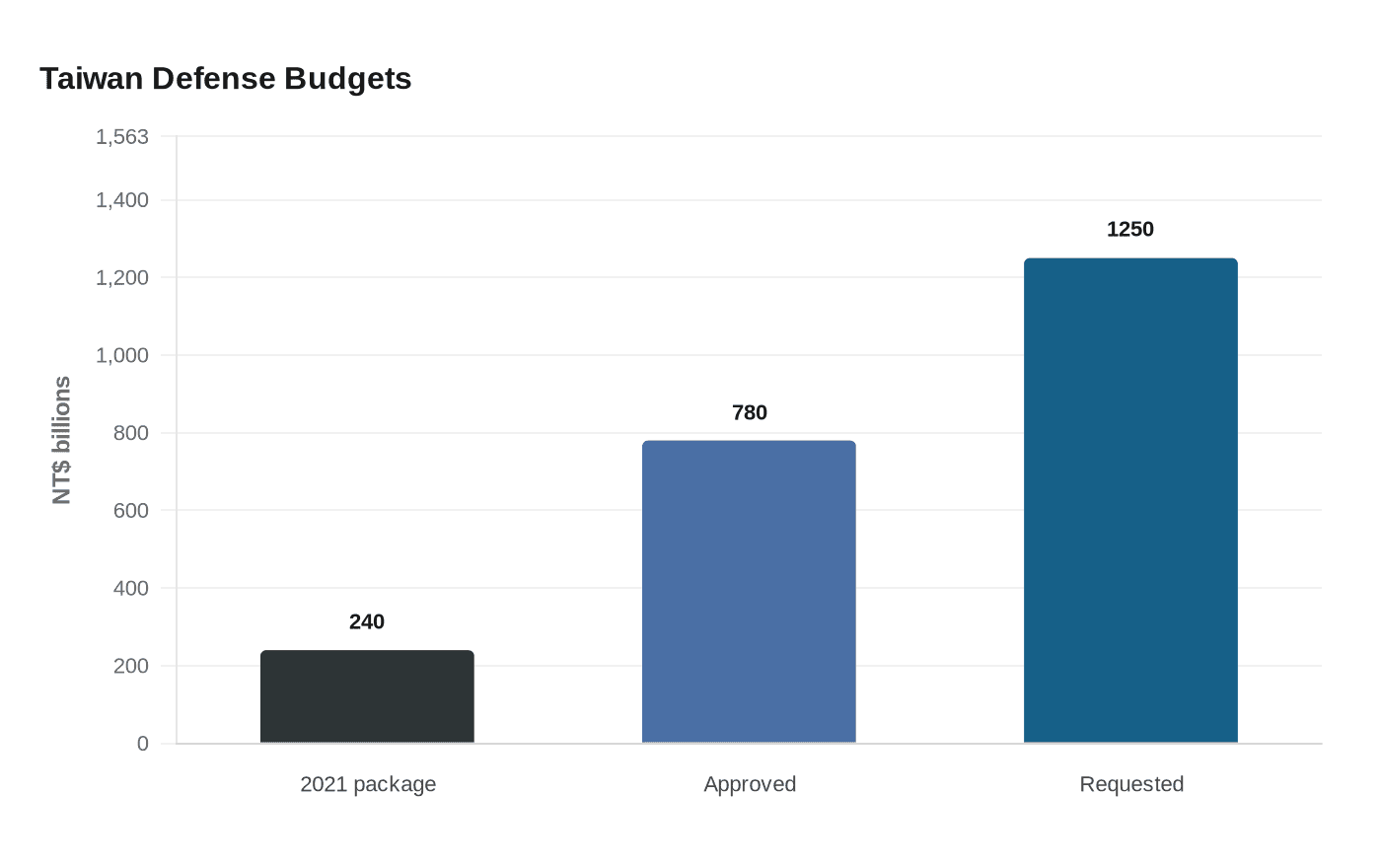
The opposition-controlled Legislative Yuan passed NT$780 billion, about US$24.8 billion to US$25 billion, in extra defense spending, roughly two-thirds of President Lai Ching-te’s NT$1.25 trillion request for the special package. The plan is meant to run from 2026 through 2033, but the missing items matter most: anti-ballistic missile systems, low- and medium-altitude air defense systems, soft- and hard-kill counter-drone systems, and anti-armor missile replenishment.
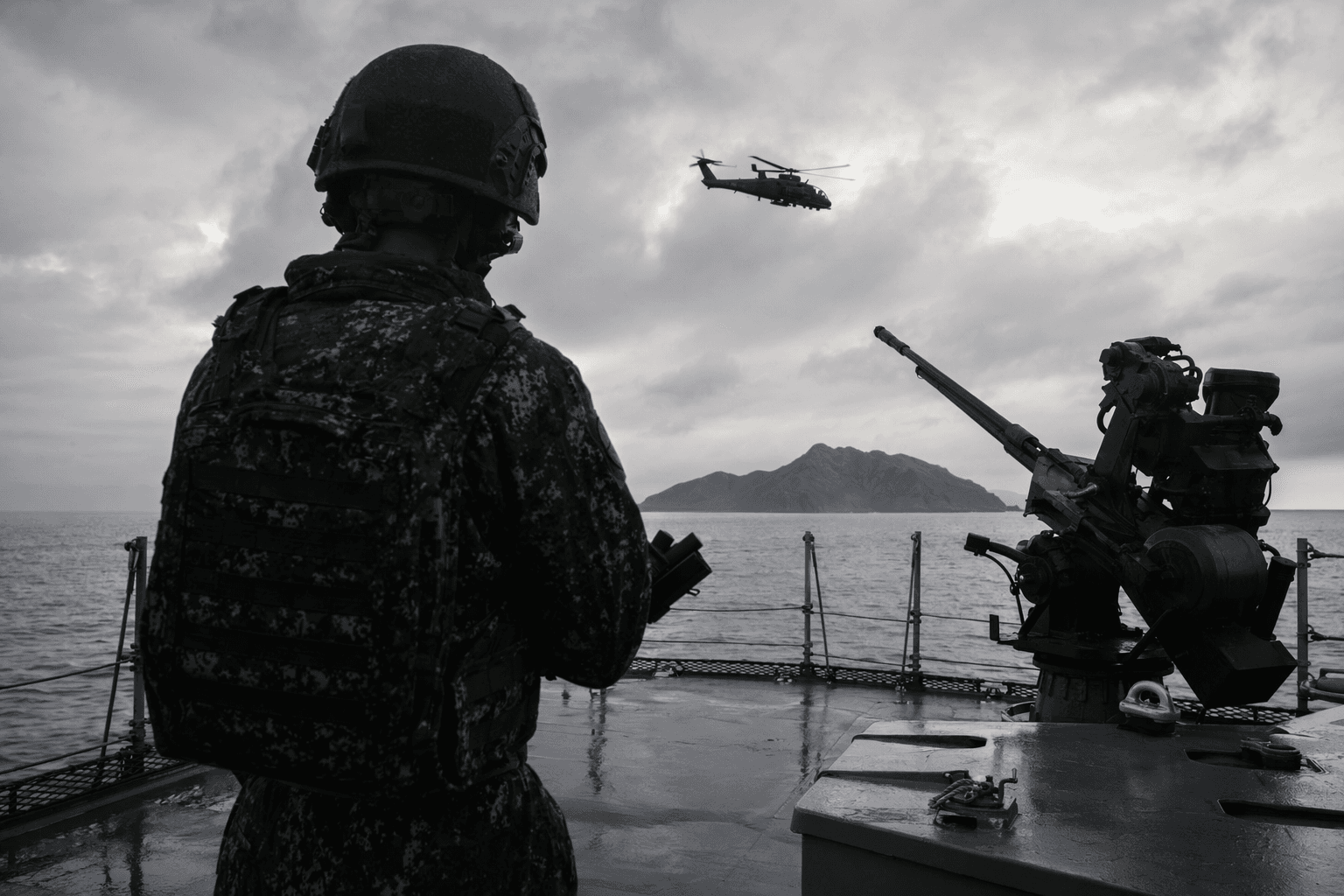
The U.S. State Department said further delays to Taiwan’s military spending would amount to a "concession" to China, sharpening the political stakes around a fight that began in Taipei but now reaches across East Asia. That wording was deliberate. In Washington, the concern was not only that Taiwan’s defense ministry had to stretch out purchases; it was that any visible pause in rearmament could be read in Beijing as a sign that domestic division was weakening deterrence.
Taiwan’s defense ministry has argued that the excluded projects were not optional extras. They were tied to the island’s ability to absorb a missile strike, counter drones, and sustain joint operations if China escalated pressure. The package also covered U.S. weapons and other defense programs, which made timing critical: delays can push deliveries, slow procurement cycles, and leave gaps in the layered defenses Taiwan needs as China keeps expanding its military power.
The budget fight followed earlier warning signs. In March, Taiwan’s main parties agreed the government could sign stalled U.S. arms agreements after officials warned that Taipei could fall to the back of the line if deadlines were missed. Lai had already framed the broader special initiative in November 2025 as an eight-year plan to speed up arms purchases and strengthen deterrence against China. In January, Taiwan laid out weapons categories tied to that effort, including precision artillery, long-range missiles, unmanned platforms, counter-drone systems, air-defense and anti-armor systems, AI-enabled systems, sustainment, and wartime production.
The 2026 package also followed precedent. Taiwan adopted a NTD 240 billion supplemental defense budget in 2021 for 2021 to 2026, focused on indigenous missiles and naval construction. This time, the scale was much larger and the political message much sharper. For Washington, the question was whether Taiwan’s legislature had merely trimmed a bill or sent a signal that Beijing could exploit.
This article was produced by Prism’s automated news system from verified source data, official records, and press releases, then run through automated quality and moderation checks before publishing. The system is built and supervised by the people who set the standards it runs under. Read our full AI policy.
Did this article answer your question?


