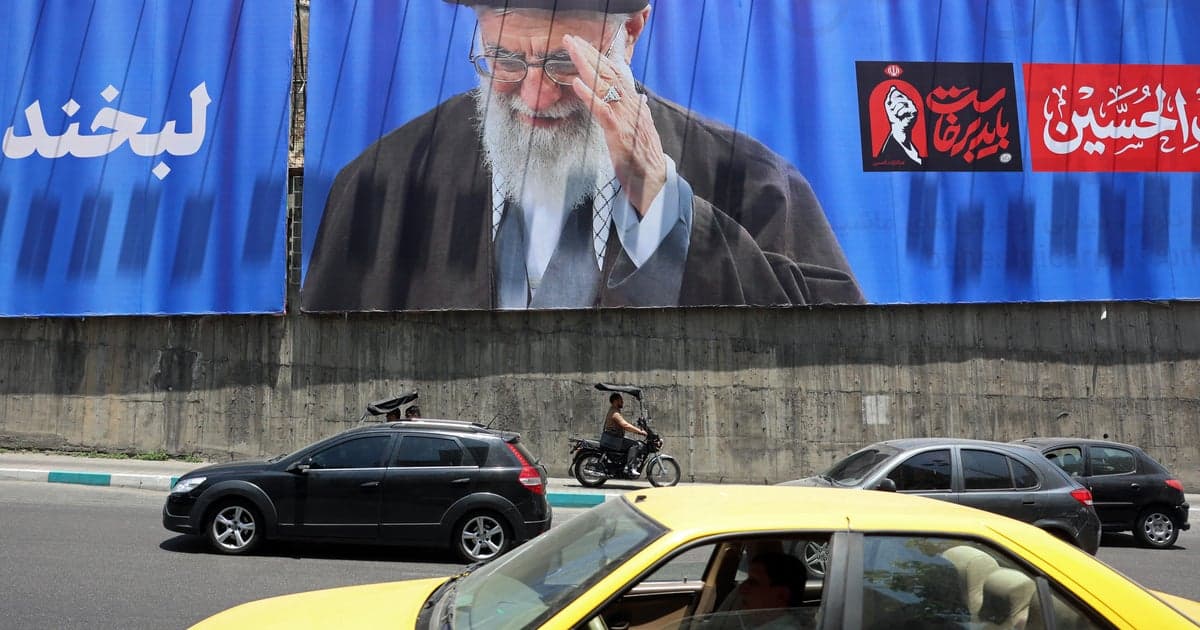
Iran signals energy, mining and aircraft deals could anchor nuclear talks
Iran says commercial packages on oil, mining and aircraft are on the table in nuclear negotiations, conditioned on U.S. moves on sanctions.

Iran said that talks over a possible return to a nuclear agreement with the United States could include substantial commercial packages covering energy, mining and aircraft purchases, and that such offers would be conditional on U.S. discussions about lifting sanctions, Reuters reported on Sunday. The comments, delivered by Hamid Ghanbari of the foreign ministry, framed economics at the center of a diplomatic push meant to make any deal durable.
“For the sake of an agreement’s durability, it is essential that the U.S. also benefits in areas with high and quick economic returns,” Hamid Ghanbari, foreign ministry deputy director for economic diplomacy, told the semi-official Fars news agency, Reuters reported. He added that “common interests in the oil and gas fields, joint fields, mining investments, and even aircraft purchases are included in the negotiations.”
The move to explicitly link commercial packages to sanctions relief adds a concrete economic dimension to talks that were renewed earlier this month, with some outlets specifying January. Diplomats in Tehran and Washington are positioning potential quick-return investments as leverage to overcome political obstacles that derailed the 2015 nuclear pact and later prompted the United States to withdraw in 2018 under President Donald Trump.
Reuters also reported that a U.S. delegation that a source said would include envoys Steve Witkoff and Jared Kushner was scheduled to meet Iranian officials in Geneva on Tuesday, a meeting later confirmed to Reuters by a senior Iranian official. The meeting comes against the backdrop of a heightened U.S. military posture in the region: U.S. officials told Reuters the United States has dispatched a second aircraft carrier to the area and was preparing for the possibility of a sustained military campaign if talks fail.
For markets and policymakers, the proposals carry immediate and longer term implications. Iran’s oil and gas sector is a primary source of export revenue and a potential near-term beneficiary if sanctions were eased; mining and aircraft deals could open avenues for rapid commercial activity and foreign capital inflows. By explicitly seeking areas with “high and quick economic returns,” Tehran appears to be signalling it wants visible, measurable economic gains to justify the political costs and to persuade skeptical domestic and international audiences.
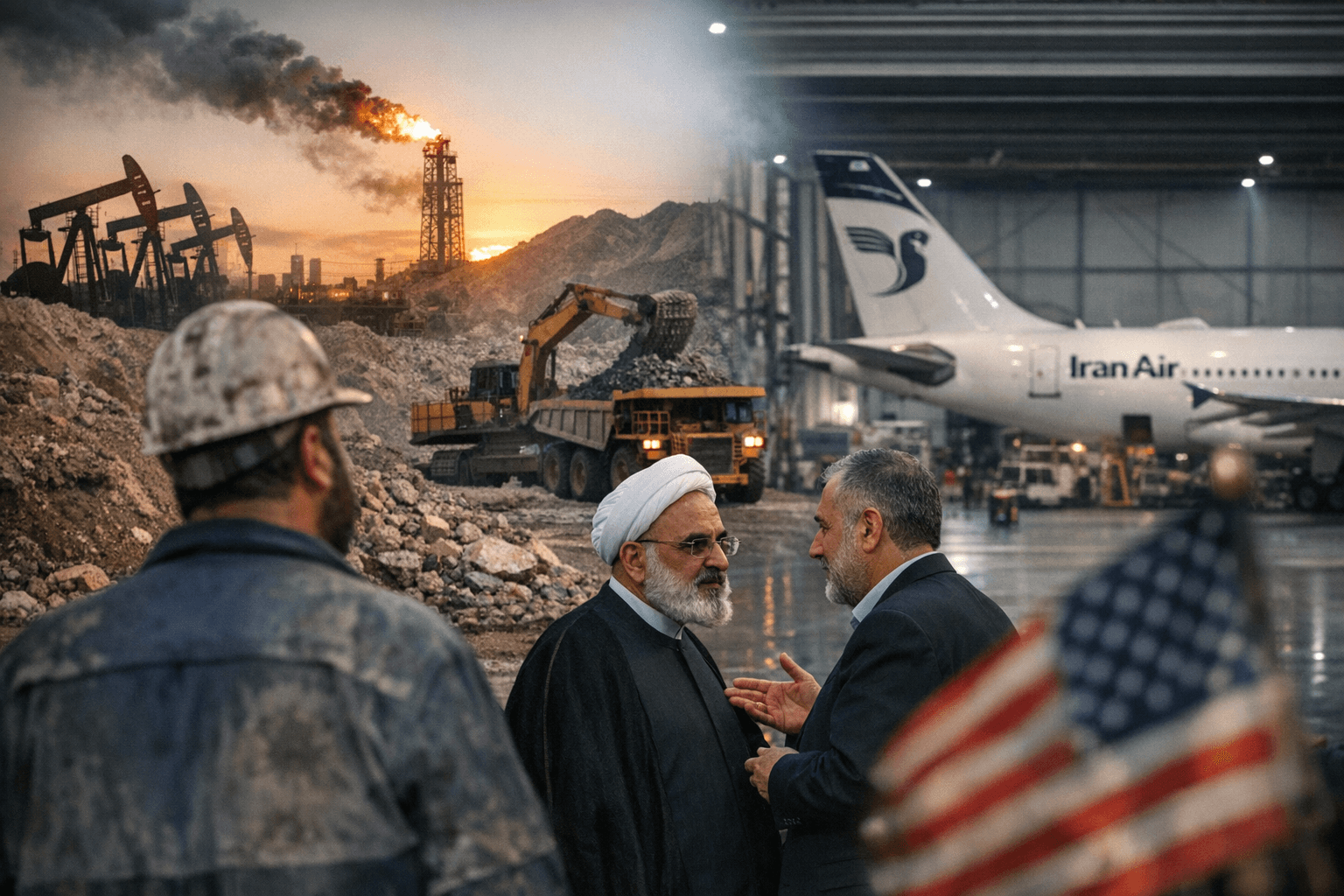
The proposal also underscores a perennial obstacle: any commercial incentives will hinge on the pace and scope of U.S. sanctions relief and on verification mechanisms that satisfy international concerns about Iran’s nuclear program. Ghanbari argued that the 2015 nuclear pact “had not secured U.S. economic interests,” presenting Iran’s approach as one that ties commercial benefits to political sustainability.
Security risks remain elevated. Iranian officials have previously threatened retaliation to any U.S. attack, and U.S. officials’ public preparations for military options increase the urgency and stakes of diplomacy. If both sides can craft packages that deliver quick economic returns without undermining non-proliferation assurances, the talks could reduce regional volatility and lower the political risk premium embedded in energy and commodity markets.
Several key details remain to be confirmed, including the exact composition of the U.S. delegation and whether references to aircraft purchases imply commercial airliners or other aviation deals. Reuters’ reporting provides the principal on-the-record attributions for the developments.
This article was produced by Prism’s automated news system from verified source data, official records, and press releases, then run through automated quality and moderation checks before publishing. The system is built and supervised by the people who set the standards it runs under. Read our full AI policy.
Did this article answer your question?