Iran Supreme Leader gives military chief new guidance on operations, threats
Iran’s top operational commander said he received new guidance from the Supreme Leader as Tehran sharpened its warnings to adversaries.
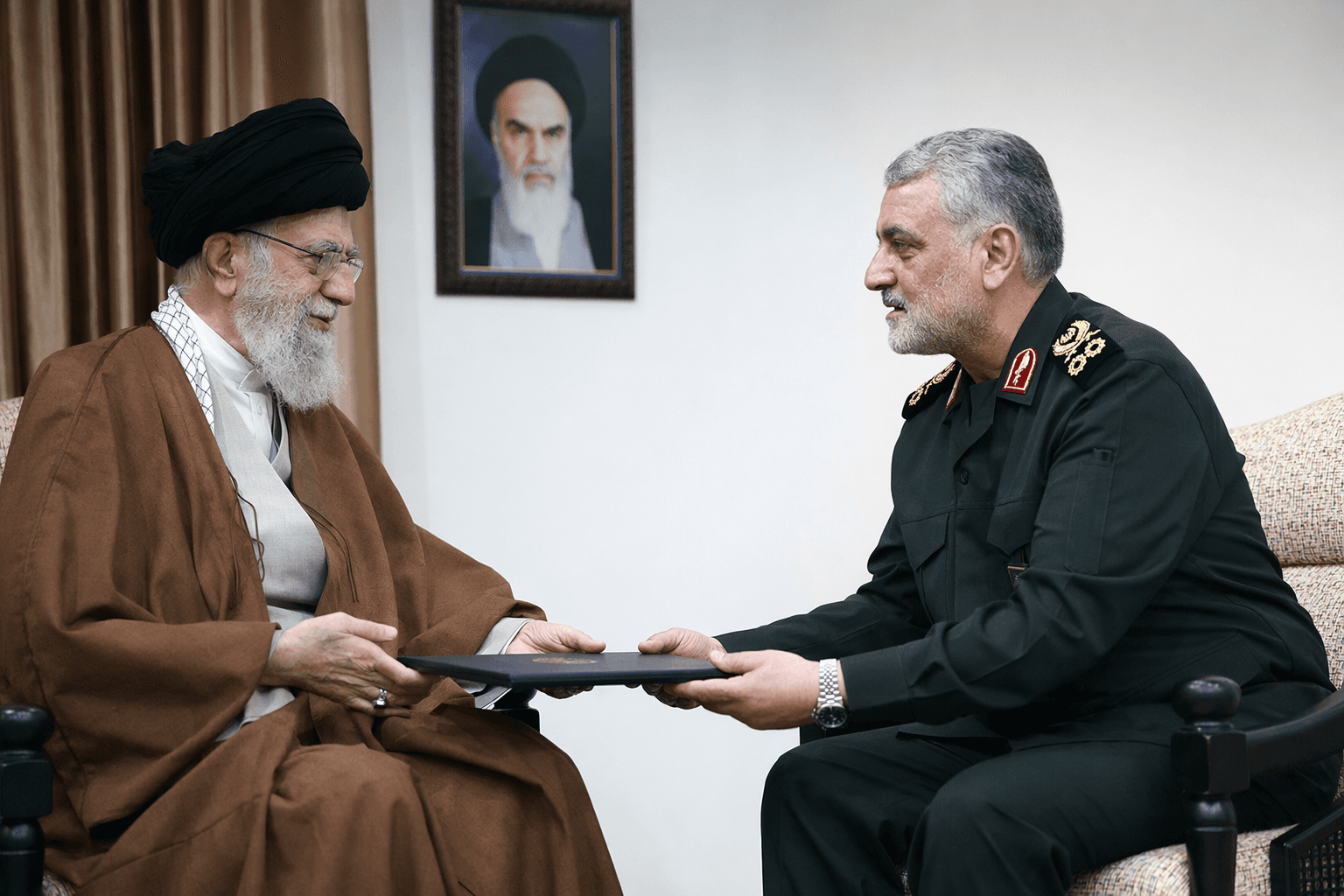
Iran’s top operational military command got fresh direction from the Supreme Leader as Tehran sharpened its language toward adversaries, a move that reads as both a posture update and a public warning. State news agency Fars said Ali Abdollahi, commander of Khatam al-Anbiya Central Headquarters, met Supreme Leader Ali Khamenei and received “new guiding measures to pursue military operations and firmly confront adversaries.”
Fars said Abdollahi also briefed Khamenei on the readiness of Iran’s armed forces. The account did not specify when the meeting took place, and it gave no operational detail about what the new measures actually change. That vagueness matters: in Iran’s tightly controlled military messaging, the value may lie less in the substance of the orders than in the signal they send about command unity, alert status and willingness to respond.
Khatam al-Anbiya Central Headquarters is Iran’s top operational military command, so any directive tied to it carries unusual weight. In the current climate, with heightened regional tension around the Strait of Hormuz and repeated U.S.-Iran warnings, a publicized briefing from the Supreme Leader to the commander of the armed forces unified command can serve several purposes at once. It can reassure domestic audiences, warn regional rivals and leave open the possibility of escalation without saying so directly.
The broader messaging has also been reinforced by senior military figures. Mohammad Jafar Asadi, a deputy in the military headquarters, recently said U.S. officials were using “media-driven” statements to influence oil prices and public perception and to avoid the consequences of their actions. Taken together, the remarks suggest Tehran is trying to frame the confrontation on its own terms, pairing military readiness with a message of deterrence and political control. The lack of concrete detail leaves open whether the latest guidance reflects immediate operational planning, a bid to steady the chain of command or another step in Iran’s effort to signal resolve without revealing its next move.
This article was produced by Prism’s automated news system from verified source data, official records, and press releases, then run through automated quality and moderation checks before publishing. The system is built and supervised by the people who set the standards it runs under. Read our full AI policy.
Know something we missed? Have a correction or additional information?
Submit a Tip