Russia, Ukraine trade truce violations during U.S.-brokered ceasefire
A three-day Victory Day truce became a credibility test as Moscow and Kyiv traded accusations, while fresh strikes left casualties in Zaporizhzhia, Kherson and Kharkiv.
The U.S.-brokered pause between Russia and Ukraine was supposed to project control and open a path toward a broader deal. Instead, it quickly became a test of credibility, with both sides accusing the other of violating a three-day ceasefire tied to Russia’s Victory Day celebrations and neither showing any sign of trust.
President Donald Trump announced the truce on May 8, setting it to run from May 9 through May 11 and pairing it with a proposed prisoner swap of 1,000 prisoners from each country. Trump called the pause possibly the “beginning of the end” of the war. The Kremlin said it would observe the truce, and Volodymyr Zelenskyy said Ukraine had received the prisoner-swap offer but insisted it had to be accompanied by a ceasefire.
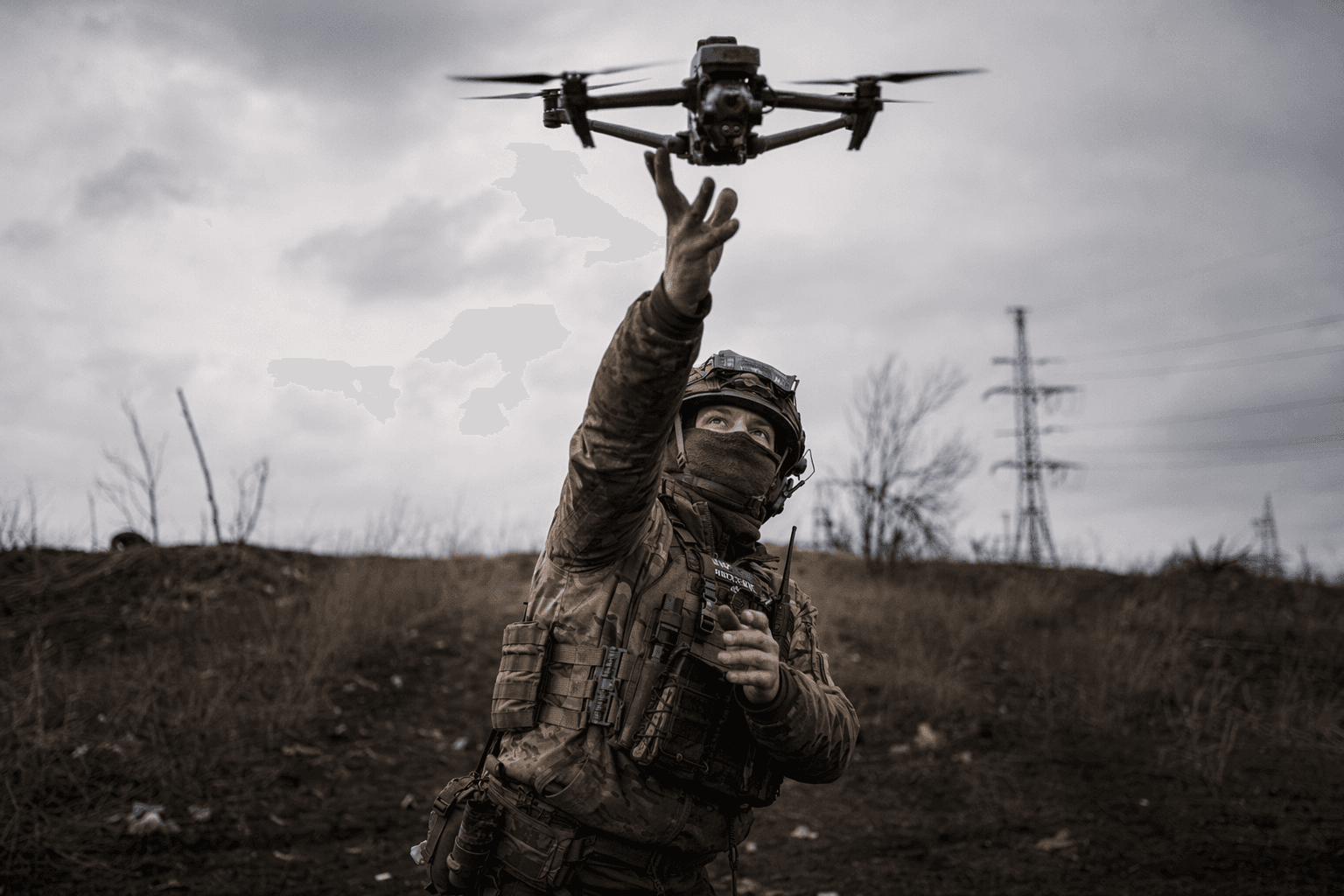
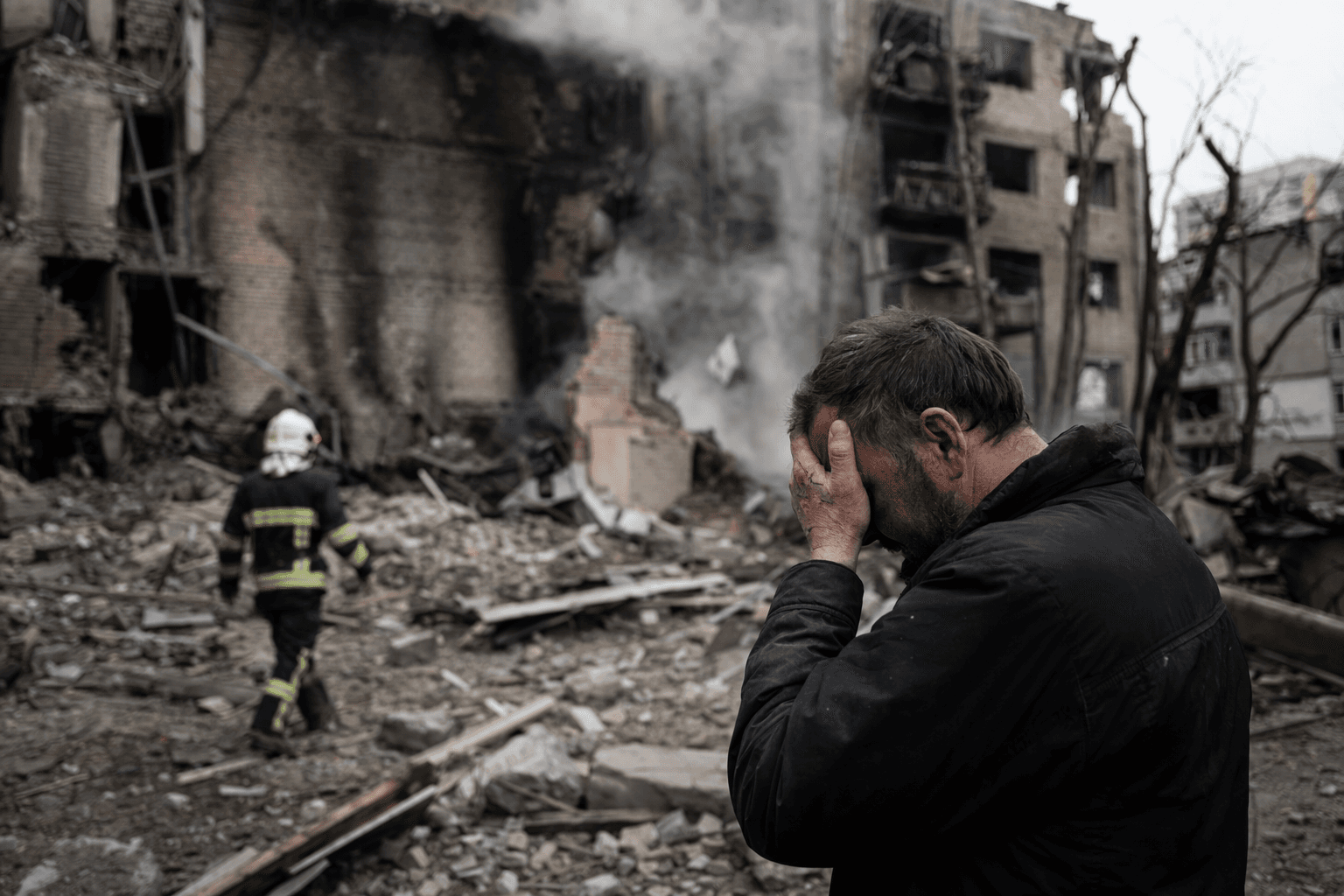
By Sunday, the arrangement was already under strain. Russia’s Ministry of Defense said Ukraine had committed more than 1,000 ceasefire violations, including attacks on civilian targets in several Russian regions and on Russian military positions along the front line. Ukrainian officials said Russian drone and artillery strikes had continued during the same period, leaving one person dead in Zaporizhzhia region and three others injured over 24 hours, according to Ivan Fedorov. Oleksandr Prokudin said seven people were wounded in Kherson region, and Oleh Syniehubov said five people were injured in a Russian drone strike in Kharkiv.
The competing claims underscored how hard it is to enforce even a short truce when both sides expect the other to cheat. Russian-installed Kherson leader Vladimir Saldo said two people were injured in Ukrainian shelling in occupied Kherson, adding another layer of dueling accounts that could not be reconciled on the ground.
The timing mattered as much as the accusations. The ceasefire was linked to Victory Day, one of Russia’s most important national holidays, and came after earlier holiday pauses during the war that were widely viewed as fragile and often ignored. The Kremlin said no military vehicles would take part in this year’s parade because of concerns about Ukrainian attacks, a sign that even Moscow’s own showcase of control was shaped by fear of disruption. With Red Square under tighter security and both governments trading blame, the truce looked less like a durable diplomatic opening than a political statement that neither side was prepared to trust.
Know something we missed? Have a correction or additional information?
Submit a Tip