Iran threatens Strait of Hormuz closure, raising global oil shock fears
Iran’s flip-flop on the Strait of Hormuz signaled hardliners were back on top, jolting oil traders and shipping lines over a chokepoint that moves 20 million barrels a day.
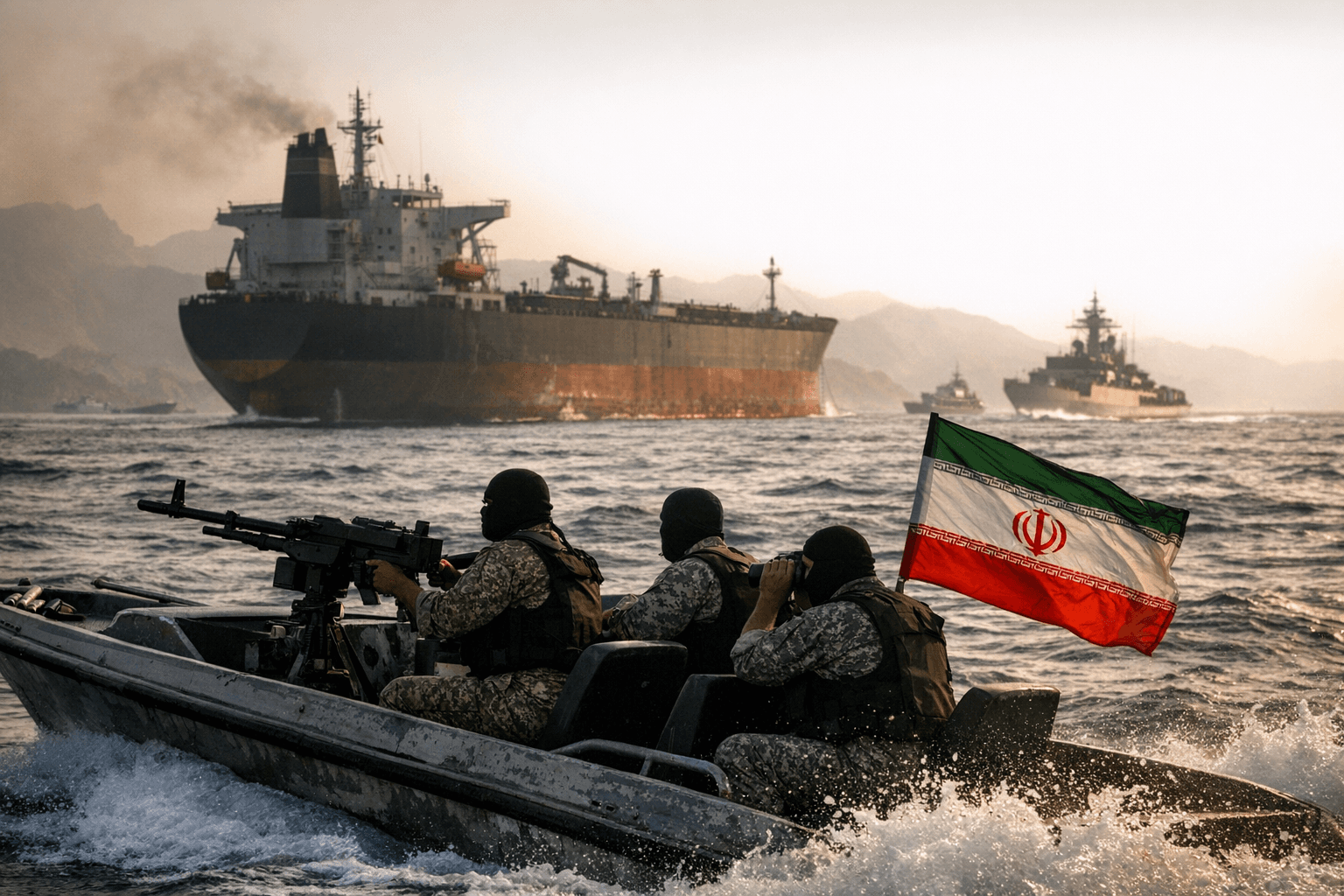
Iran’s sudden reversal on opening the Strait of Hormuz sharpened fears that hardliners in Tehran were regaining control just as the world’s most critical oil chokepoint came under direct pressure. The stakes are global: roughly 20 million barrels a day of oil and petroleum products move through the strait, along with about one-fifth of global LNG trade, most of it tied to Qatar and bound for Asian markets such as China, India and Japan.
The policy whiplash came as Tehran briefly said the waterway would remain open, then reversed course while the U.S. kept its blockade on Iranian shipping and ports. Maritime reports said at least seven ships initially turned back after the U.S. announcement, while other vessels have gone dark or used evasive tactics amid GPS jamming and AIS spoofing. The latest escalation also included the U.S. seizure of an Iranian-flagged cargo ship near Hormuz, the first interception since the blockade began.
The physical geography makes even short-lived ambiguity dangerous. The Strait of Hormuz is only about two miles wide in each direction, separated by a buffer zone, leaving tankers little room to maneuver if tensions rise. The International Energy Agency says only Saudi Arabia and the United Arab Emirates have operational crude pipelines that can bypass Hormuz, and even then the region has only about 3.5 million to 5.5 million barrels a day of alternative export capacity. That means a prolonged closure would remove most spare regional supply from the market.
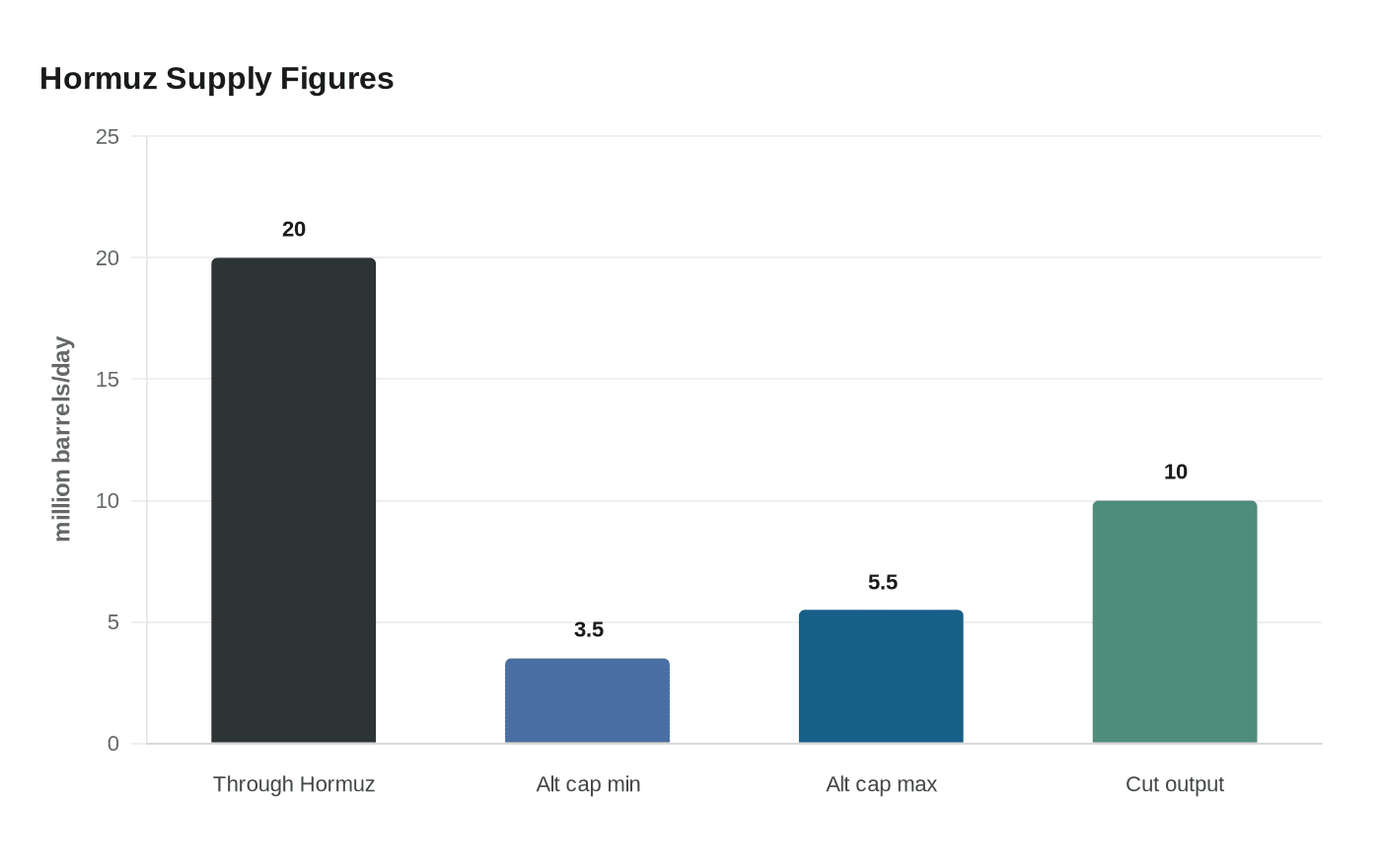
Energy agencies have already described the disruption as the most severe in the history of the global oil market. The IEA said crude and product flows through Hormuz fell from around 20 million barrels a day before the war to a trickle, while Gulf countries cut total oil production by at least 10 million barrels a day. The U.S. Energy Information Administration said in early April that its forecast was being driven by the closure of Hormuz and related production outages, underscoring how quickly the shock has spread beyond the Gulf.
For shipping firms, insurers and import-dependent countries, the damage is not limited to crude. Diesel, jet fuel, LPG and fertilizer flows have all been disrupted, and some analysts say it could take months for traffic to normalize even if the strait formally reopens. With ceasefire talks and another negotiation round hanging over a window that was nearing expiration around April 21, the market’s deeper fear is not only closure, but the uncertainty created each time Tehran shifts direction.
This article was produced by Prism’s automated news system from verified source data, official records, and press releases, then run through automated quality and moderation checks before publishing. The system is built and supervised by the people who set the standards it runs under. Read our full AI policy.
Know something we missed? Have a correction or additional information?
Submit a Tip