Stocks Hit Records as Investors Bet Iran Conflict Won’t Last
Stocks climbed to record highs even as oil stayed near $130 a barrel, a sign investors are betting the Iran war will be shorter than the market first feared.
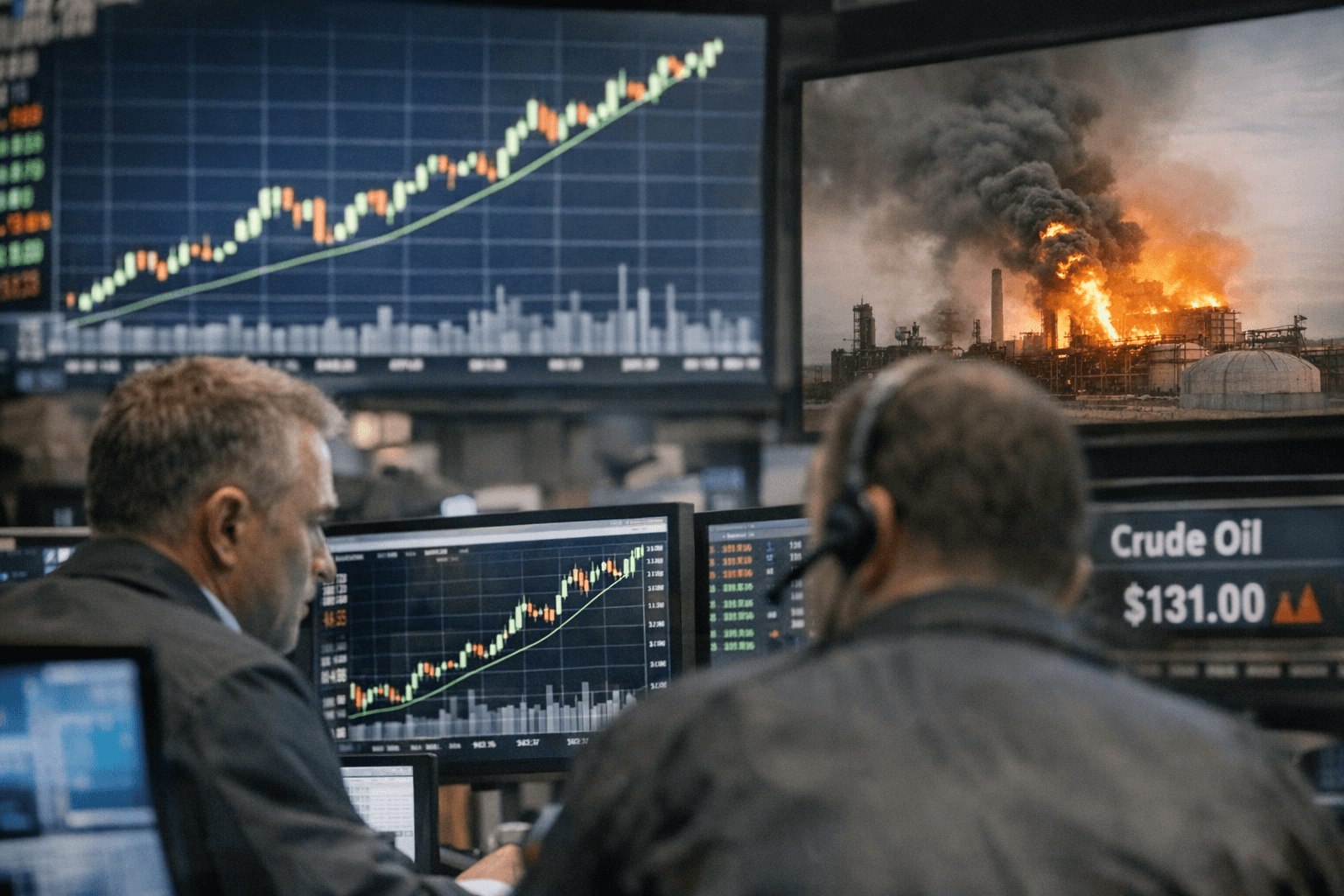
The U.S. stock market climbed back above where it stood when the Iran war began more than six weeks ago, a striking show of confidence in a conflict that has kept oil prices elevated and the peace track uncertain. On April 15, the S&P 500 closed at a fresh record high for the first time since the war started, and the Nasdaq Composite also hit a record as investors piled back into risk assets.
The rally rests on a simple but fragile assumption: the fighting will not last long enough to do lasting damage. Investors have been encouraged by signs of de-escalation, a two-week ceasefire between the United States and Iran, and strong earnings expectations that have helped offset the shock from the Middle East. Some traders also drew support from reports that Iran reopened the Strait of Hormuz and that President Donald Trump said a deal to end the seven-week war could be finalized soon.
That optimism has collided with a severe energy shock. On April 14, the International Energy Agency said global oil demand was expected to contract by 80,000 barrels a day this year because the war had upended the outlook. The agency also said global oil supply plunged by 10.1 million barrels a day in March, the largest disruption in history, as attacks on energy infrastructure and restrictions on tanker movements through the Strait of Hormuz rattled the market. North Sea Dated crude was trading around $130 a barrel, roughly $60 above pre-conflict levels.
That is why the stock rally looks less like a clean vote of confidence and more like a relief rally on top of a still fragile macro backdrop, as strategist Billy Leung put it. Higher oil prices have already pushed up Treasury yields and forced markets to scale back expectations for Federal Reserve rate cuts, yet equities have kept climbing. Goldman Sachs and other analysts have framed oil as a two-sided risk: supply disruptions can keep crude high, but demand could soften if the conflict eases or if expensive fuel starts to curb consumption.
The message from markets is not that war risk has disappeared. It is that investors are betting the shock will be temporary, the supply disruption manageable, and corporate earnings resilient enough to absorb the hit. If the war drags on, attacks resume, or tanker flows tighten again through the Strait of Hormuz, that bet could unwind quickly.
This article was produced by Prism’s automated news system from verified source data, official records, and press releases, then run through automated quality and moderation checks before publishing. The system is built and supervised by the people who set the standards it runs under. Read our full AI policy.
Did this article answer your question?

