Lockheed Martin seeks rare U-2 pilot, reviving Cold War spy plane legacy
Lockheed Martin opened a rare U-2 pilot job as the aging spy plane stayed active, exposing how Cold War secrecy still feeds modern defense work.
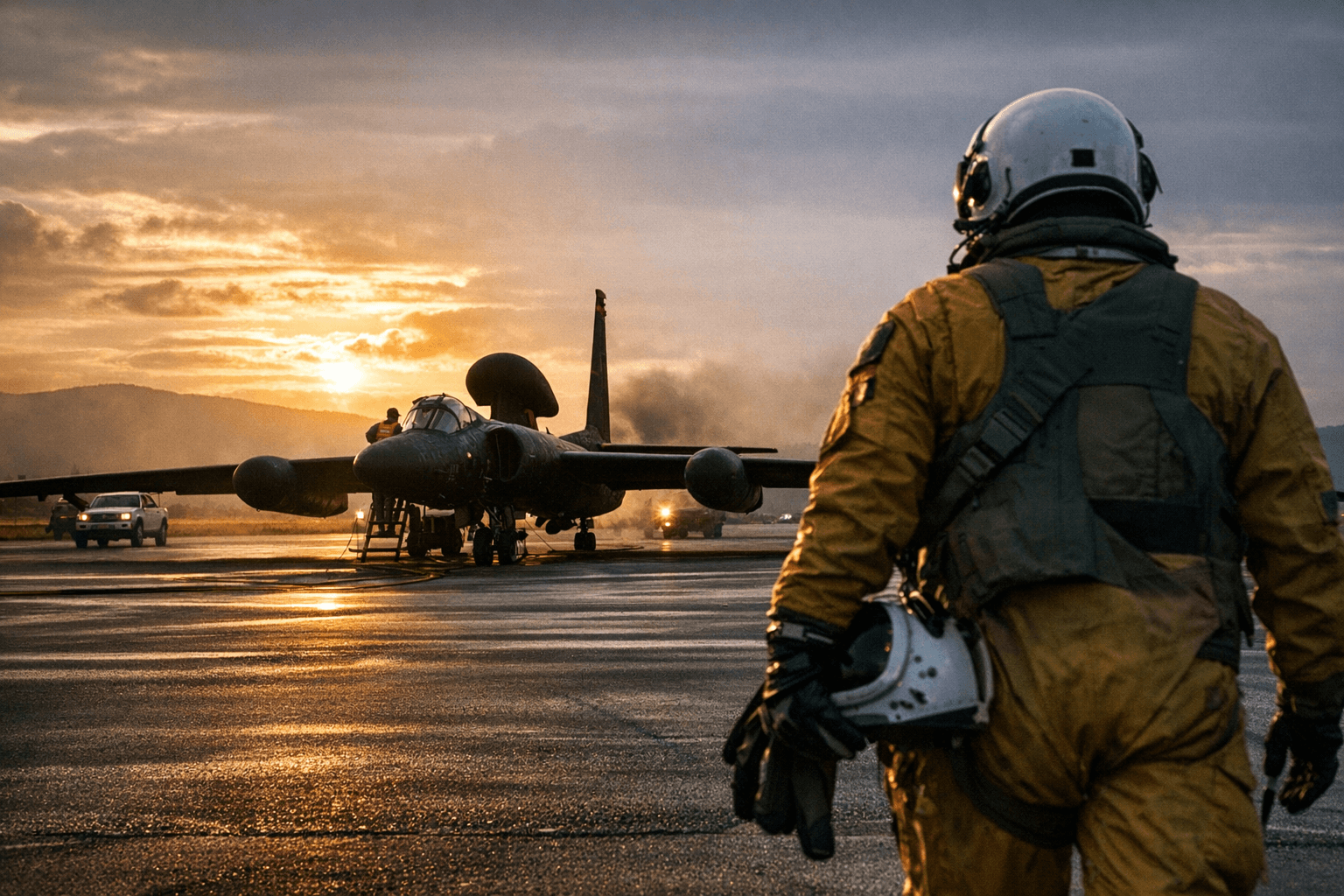
A rare opening for a U-2 pilot pulled Lockheed Martin’s most secretive aviation lineage back into public view. The Skunk Works posting in Palmdale, California, called for a full-time pilot who could fly demonstration missions with customers, government officials or other personnel aboard, while also testing aircraft for compliance with specifications and operational suitability.
The job underlined a strange fact about the defense industry: the U-2 Dragon Lady remains old enough to evoke Cold War mythology, yet current enough that Lockheed Martin still needed a highly specialized pilot to support mission readiness. The posting carried a salary range of about $156,400 to $311,650, reflecting how scarce the mix of flight-test skill, endurance and clearance has become.
Lockheed Martin has said Palmdale has been home to its legendary Skunk Works team for 80 years, and the city still markets itself as the Aerospace Capital of America. That setting mattered. The U-2 is not a museum piece but an operational intelligence aircraft, and the U.S. Air Force says it provides high-altitude, all-weather surveillance and reconnaissance, day or night, in direct support of U.S. and allied forces.
The airplane’s reputation comes from how hard it is to fly. It cruises at about 400 mph, and Airman magazine has described the thin-air margin as just 13 mph between stalling and going too fast to control. The National Museum of the U.S. Air Force says the landing routine is equally unforgiving: a chase car follows the aircraft down the runway calling out altitude in the final feet before touchdown, then ground crews insert wing-mounted pogo supports so the plane can taxi.
That pressure has shaped the U-2 since Clarence “Kelly” Johnson created its first designs in 1953 at Lockheed’s Skunk Works. The National Museum says the aircraft was jointly managed by the Air Force and CIA from the start, with civilian CIA pilots flying over the Soviet Union. The plane’s legacy still turns on one of the most famous espionage episodes of the Cold War: Francis Gary Powers was shot down in 1960 while photographing missile sites at Sverdlovsk and Plesetsk, and CIA material says the May 1, 1960 shootdown triggered an international incident.
The timing of the hiring added another layer. The Aviationist reported in April 2024 that the Air Force was moving ahead with U-2 retirement planning, even as the aircraft kept flying. That made the Lockheed Martin posting more than a staffing notice. It showed how an intelligence platform born in secrecy still sits at the intersection of nostalgia, technical rarity and current military priorities.
This article was produced by Prism’s automated news system from verified source data, official records, and press releases, then run through automated quality and moderation checks before publishing. The system is built and supervised by the people who set the standards it runs under. Read our full AI policy.
Did this article answer your question?