Iran Tightens Grip on Strait of Hormuz With New Toll Booth Regime
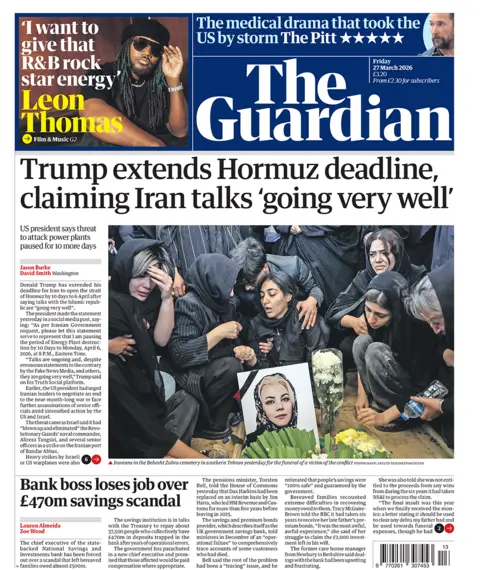
At least two ships paid up to $2M to cross the Strait of Hormuz via Iran's IRGC-run toll booth, as global oil prices soar past $100 a barrel and 20,000 seafarers remain trapped.
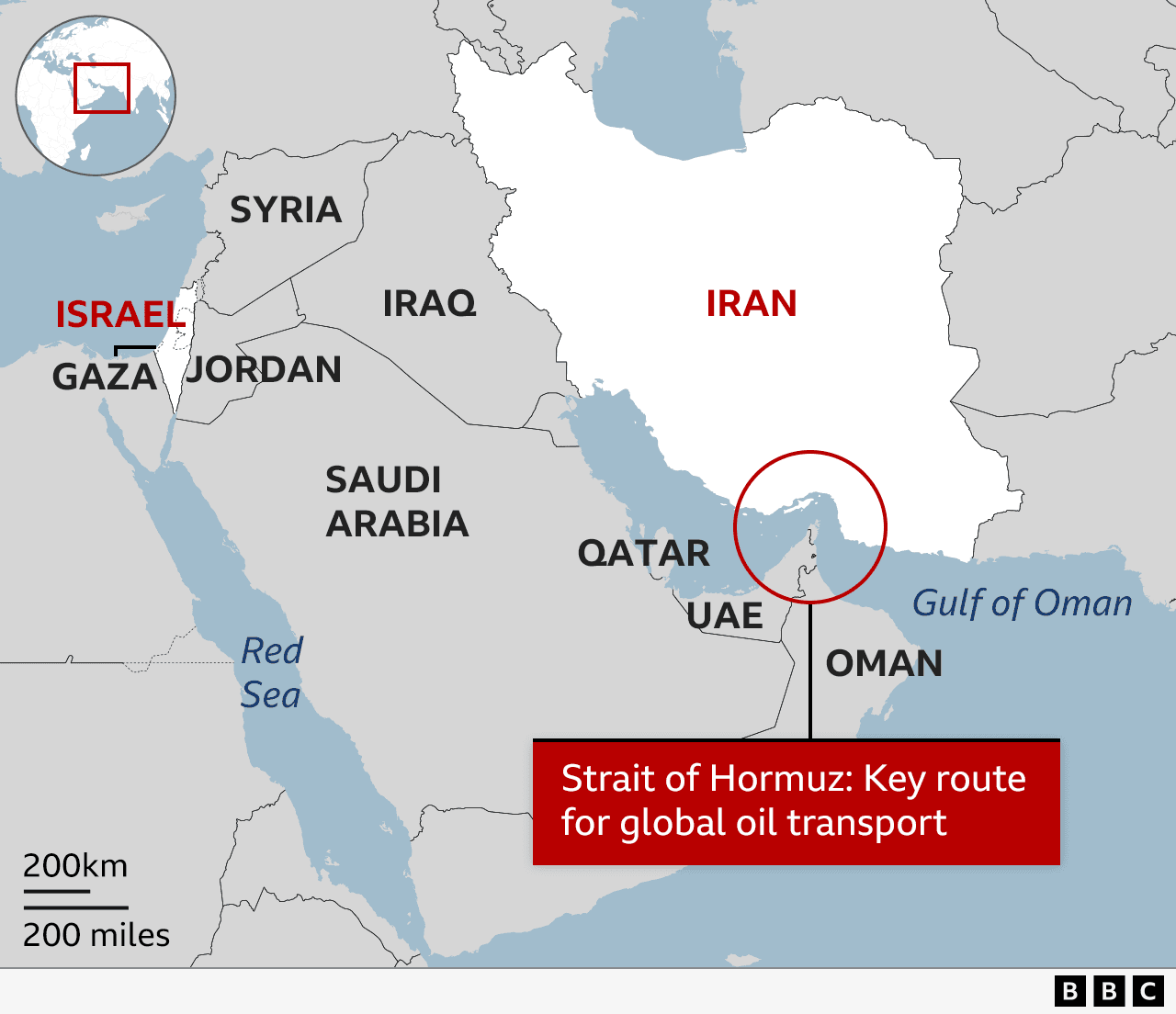
Traffic through the Strait of Hormuz has fallen by 90% since the start of the Iran war, sending global oil prices skyrocketing and inflicting alarming shortages on Asian nations that depend on Persian Gulf oil. Now, Tehran is offering a way through, but on its own terms and, for some, at a steep price.
Shipping intelligence firm Lloyd's List has confirmed that Iran's IRGC has imposed a de facto "toll booth" regime in the strait. Normally ships use a two-lane channel through the middle of the waterway, but increasingly vessels are rerouting to the north around Larak Island, placing them inside Iran's territorial waters and closer to the Iranian coastline. Entities that want their vessels to safely pass must submit details to what Lloyd's List calls "approved intermediaries" of the Revolutionary Guard, including cargo type, ownership, destination, and a complete crew list. Approved vessels then receive a code and are escorted by an IRGC ship. Oil cargo is prioritized, and all vessels are subject to "geopolitical vetting."
According to Lloyd's List, "while not all ships are paying a direct toll, at least two vessels have and the payment is settled in yuan," referring to the Chinese currency. Estimated tolls have run as high as $2 million per transit. The use of Chinese yuan is widely attributed to Western sanctions against the IRGC by the United States, European Union, and United Kingdom, which make dollar or euro transactions effectively impossible.
Traffic through the corridor is growing, with at least 20 ships having transited as of March 23, accounting for somewhere between 10% and 20% of all traffic through the strait since the war began. Iran made its new vision explicit in a letter to the International Maritime Organization earlier this week, stating that ships from "non-hostile" countries could pass, provided they comply with Iranian demands. Iran is reportedly so taken with the arrangement that converting the Strait of Hormuz into a Suez Canal-style cash machine has become one of its demands in preliminary talks with the United States.
Iran's parliament is also moving to formalize the arrangement. The Fars and Tasnim news agencies, both close to the Revolutionary Guard, quoted lawmaker Mohammadreza Rezaei Kouchi saying "parliament is pursuing a plan to formally codify Iran's sovereignty, control and oversight over the Strait of Hormuz, while also creating a source of revenue through the collection of fees."
The human cost of the shutdown is severe. Around 20,000 seafarers remain stranded in the Persian Gulf, on board ships under heightened risk and considerable mental strain. "This is unacceptable and unsustainable," the IMO Secretary-General stated. Insurance companies have either withdrawn war-risk coverage entirely or raised premiums to five times their previous levels, rendering transit unaffordable for many operators.
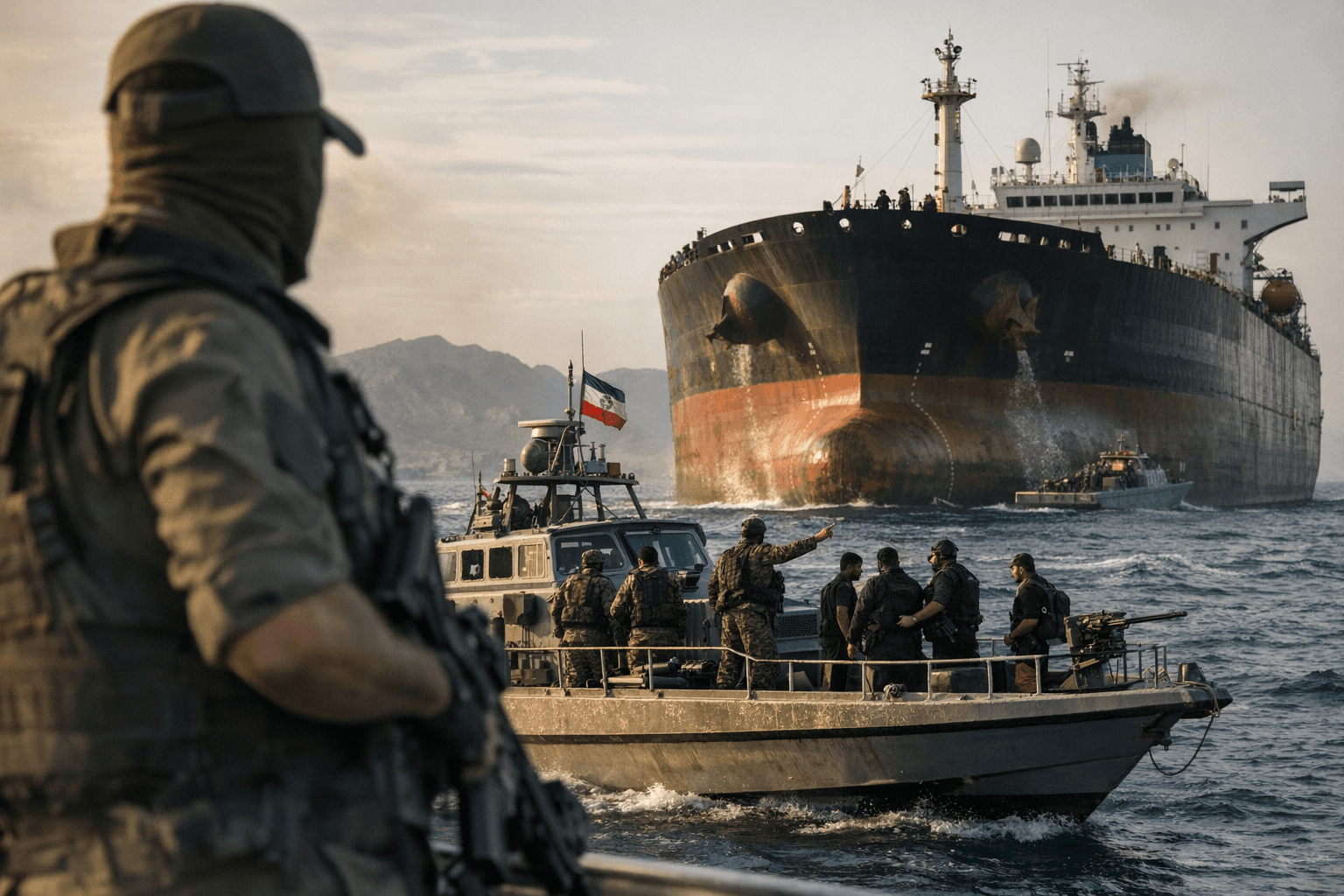
Beyond the strategic and humanitarian dimensions, shipowners face acute legal exposure. Paying money to Iran could run afoul of U.S. sanctions, both in the oil sector and by potentially providing material support to a designated foreign terrorist organization.
Maritime historian Sal Mercogliano of Campbell University in North Carolina was blunt about the legal foundation of the scheme: "There's no provision in international law anywhere to set up a toll booth and shake down shipping. This is Iran using the element that they have right now, which is control of the Strait of Hormuz."
Sultan al-Jaber, who leads Abu Dhabi National Oil Co., gave perhaps the starkest assessment of the arrangement's global reach. "Weaponizing the Strait of Hormuz is not an act of aggression against one nation," he said at an event hosted by the Middle East Institute in Washington. "When Iran holds Hormuz hostage, every nation pays the ransom, at the gas pump, at the grocery store and at the pharmacy. No country can be allowed to destabilize the global economy in this way."
Iran has blocked passage of vessels carrying oil and liquefied natural gas from the Gulf since the U.S. and Israel launched the war on February 28. The move has sent global oil prices soaring above $100 per barrel, a jump of roughly 40% from pre-war levels, forcing countries, particularly in Asia, to ration fuel and cut industrial production. With Iran's parliament now moving to codify what began as an improvised checkpoint, the toll booth shows every sign of becoming a permanent fixture of a reordered waterway.
Know something we missed? Have a correction or additional information?
Submit a Tip