Iran turns Strait of Hormuz into controlled corridor for oil shipments
Iraq and Pakistan struck transit deals with Iran as the Strait of Hormuz shifted from open passage to managed access, tightening Tehran's grip on Gulf oil flows.
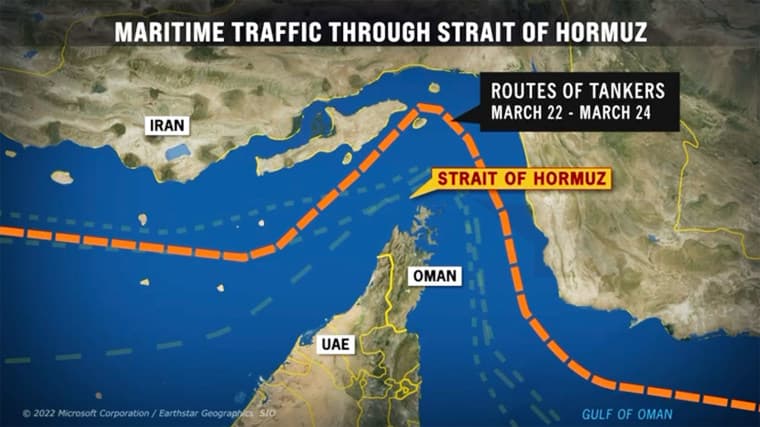
Iran is converting the Strait of Hormuz from a wartime pressure point into a controlled corridor for oil and gas shipments, with Iraq and Pakistan now cutting practical energy deals to keep their supplies moving. The arrangement, described by five sources with knowledge of the matter, shows how Tehran is turning access to the waterway into leverage over regional economies and the global shipping system.
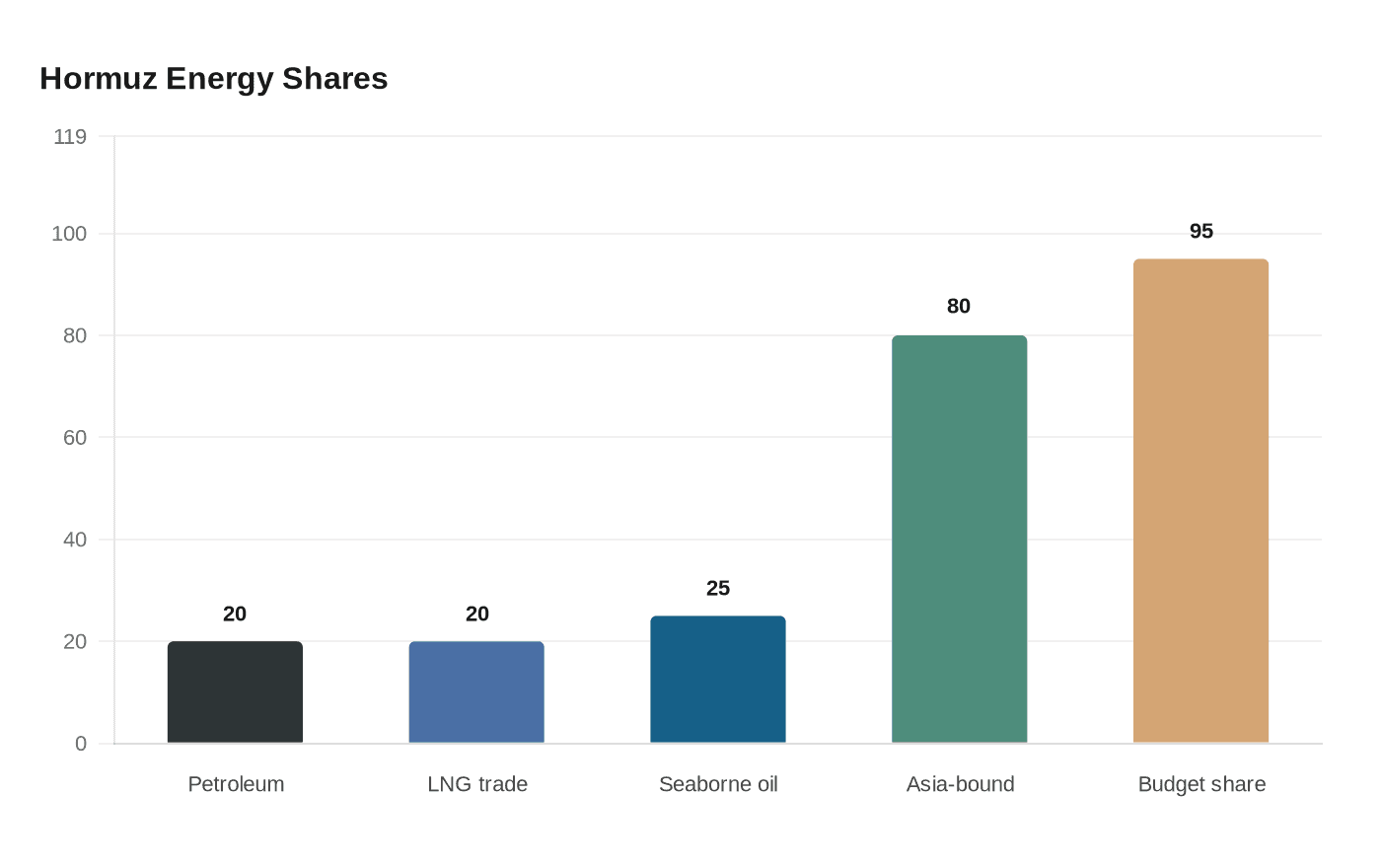
Iraq has already secured safe passage for two very large crude carriers, each carrying about 2 million barrels of crude, through the strait. An Iraqi oil ministry official said Baghdad is seeking Iran’s approval for additional transits, a sign that the flow of Iraqi exports is now being managed through political permission as much as maritime routine. That matters in Baghdad, where oil revenue makes up about 95 percent of the national budget, leaving little room to absorb any disruption in shipments.
Pakistan has also moved into the same orbit. With heavy dependence on Gulf imports and fuel costs under pressure, Islamabad has worked within the new system rather than risk wider supply shocks. The immediate motivation is necessity, but the broader effect is strategic alignment with Iran’s de facto role as gatekeeper in a passage that still carries enormous volumes of energy.
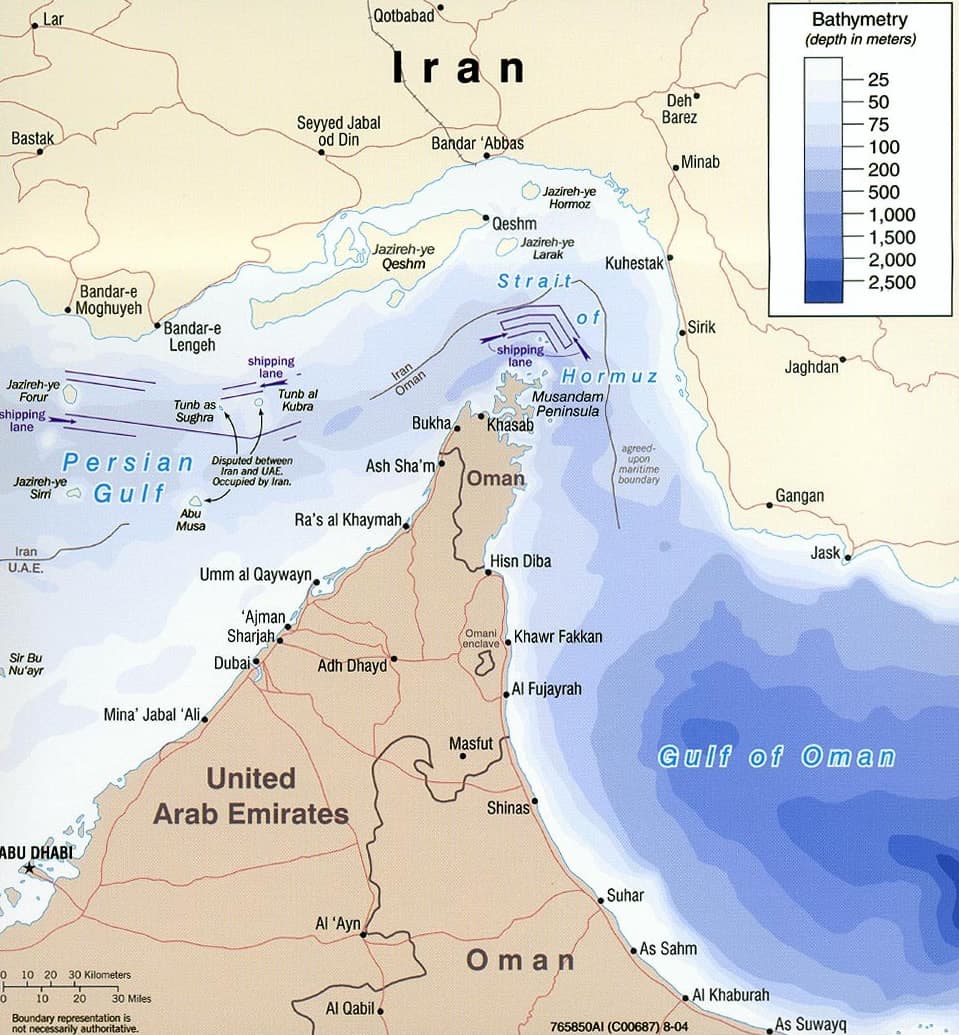
The stakes are global. The U.S. Energy Information Administration says about 20 million barrels per day flowed through Hormuz in 2024, roughly one-fifth of world petroleum liquids consumption, and about one-fifth of global LNG trade also crossed the strait. The International Energy Agency puts the figure at about 20 million barrels per day, or around 25 percent of seaborne oil trade, with 80 percent of that crude heading to Asia. It also says Qatar’s and the United Arab Emirates’ LNG exports together account for almost 20 percent of global LNG exports that could be affected by a closure. Some crude could be rerouted, but only through 3.5 million to 5.5 million barrels per day of pipeline capacity.
The political shift has been building. In April 2026, Iran said Iraqi ships would be exempt from restrictions in Hormuz, and Iranian officials said Iraqi vessels could move freely, possibly covering as much as 3 million barrels a day of Iraqi cargoes. The latest deals suggest that selective permission is hardening into a system. For markets, that means higher shipping risk, more pressure on insurance and freight, and another reminder that wartime leverage in the Gulf can redraw the rules of energy trade far beyond the region itself.
This article was produced by Prism’s automated news system from verified source data, official records, and press releases, then run through automated quality and moderation checks before publishing. The system is built and supervised by the people who set the standards it runs under. Read our full AI policy.
Did this article answer your question?