Trump and Xi face tense Beijing summit over trade and Taiwan
Trump and Xi met in Beijing with rare earths, tariffs and Taiwan at the center, as both sides searched for a narrow deal that would steady prices and supply chains.

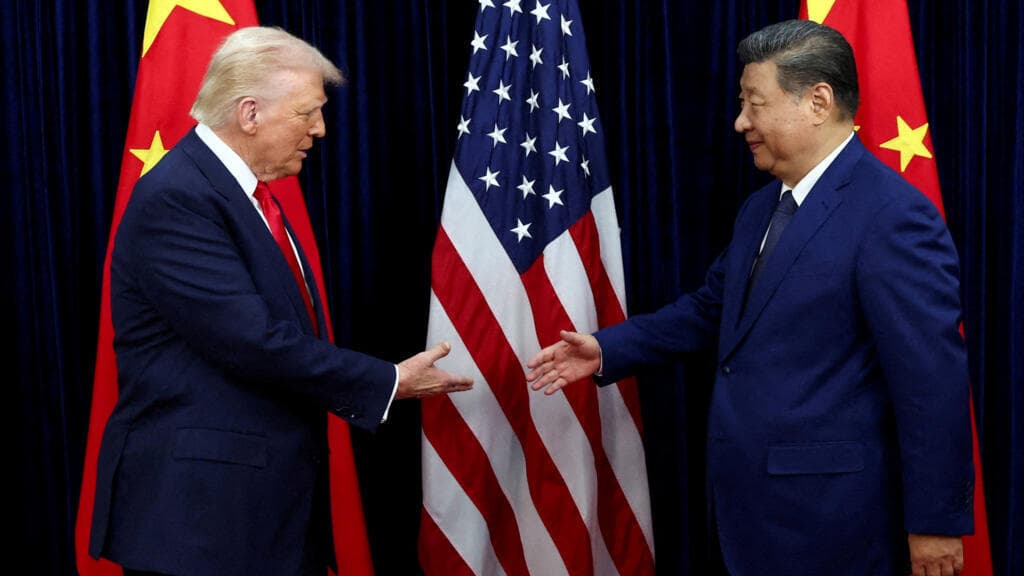
Rare earths, tariffs and Taiwan were the real agenda in Beijing, where Donald Trump and Xi Jinping met as both governments tried to keep a fragile trade truce from unraveling. It was the first U.S.-China leaders’ summit in Beijing in nine years, and the first visit by a U.S. president to China in nearly a decade, but the bigger question was whether the two sides could produce anything more than a temporary reset.
Trump and Xi last met in October 2025 in Busan, South Korea, where they agreed to pause a bruising trade war. Since then, the truce that kept rare earth minerals moving from China to the United States has been under pressure, even as Beijing rolled out new trade rules and export controls that alarmed American businesses. If that flow of critical minerals held, it would help shield U.S. manufacturers, chipmakers and automakers from fresh supply shocks. If it cracked, the costs would ripple through electronics, industrial production and consumer prices.
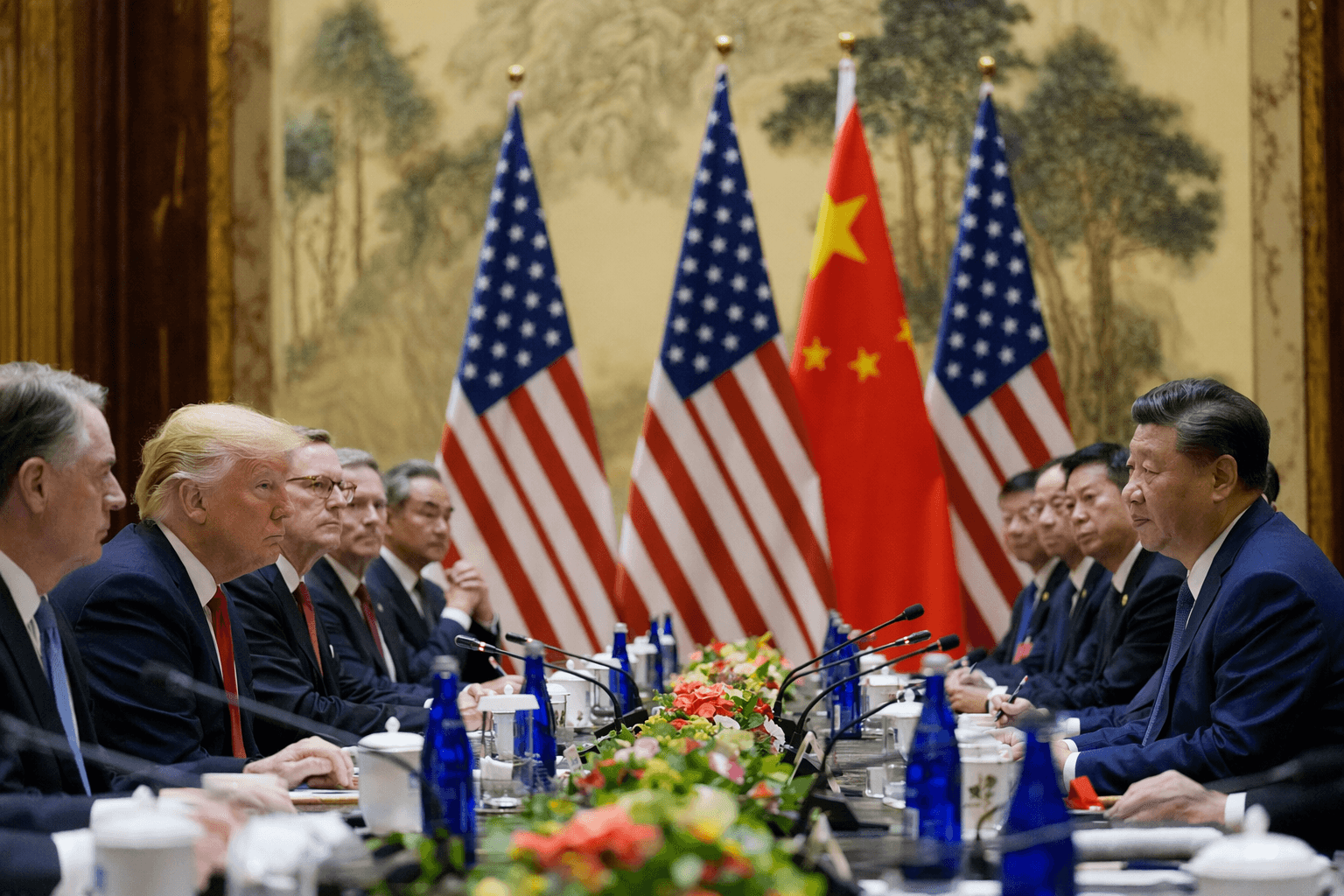
The likeliest breakthroughs were narrow. U.S. and China experts said the summit could yield small trade deals rather than a grand bargain, with possible Chinese purchases of U.S. agricultural products or Boeing aircraft. A deal like that would not settle the larger rivalry, but it could give Trump a visible economic win and give Chinese officials a way to show they were still backing stable ties. The White House cast Trump’s goal as rebalancing the relationship and restoring American economic independence through reciprocity and fairness.
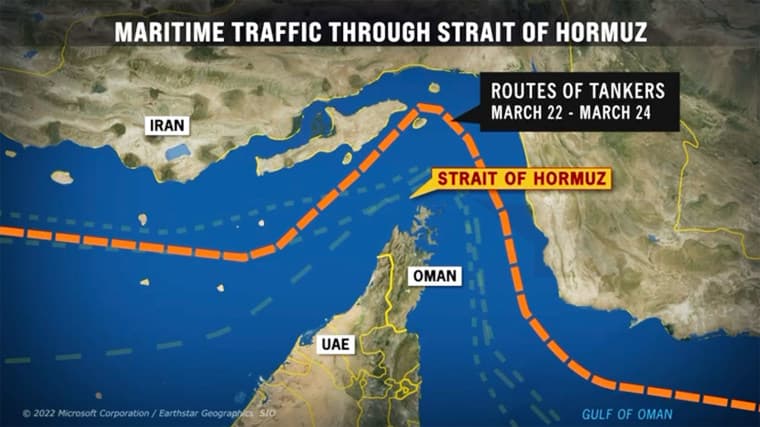
The deepest danger remained Taiwan. China laid out four red lines before the summit, Taiwan, democracy and human rights, political systems and China’s development rights, and Beijing has never renounced the use of force to bring Taiwan under its control. Taiwan’s foreign minister, Lin Chia-lung, said Taipei hoped there would be no "surprises" on Taiwan-related issues during Trump’s visit. China’s foreign minister said in April that Taiwan was the "biggest risk" in China-U.S. relations. That made Taiwan the issue most likely to blow up the meeting, even as both sides also eyed AI, semiconductor restrictions and the wider shock from the war in Iran and the Strait of Hormuz.
For Americans, the stakes were concrete. A limited truce would help keep critical minerals flowing, reduce pressure on factory inputs and slow another round of price increases. A breakdown would deepen strain on technology supply chains, harden security tensions in Asia and leave the United States facing a more volatile trade fight with no clear off-ramp.
Know something we missed? Have a correction or additional information?
Submit a Tip