Iran, U.S. remain deadlocked as Hormuz talks and nuclear dispute intensify
The Strait of Hormuz carries about 20 million barrels of oil a day, putting markets on edge as Iran and the U.S. clash over shipping and nuclear limits.

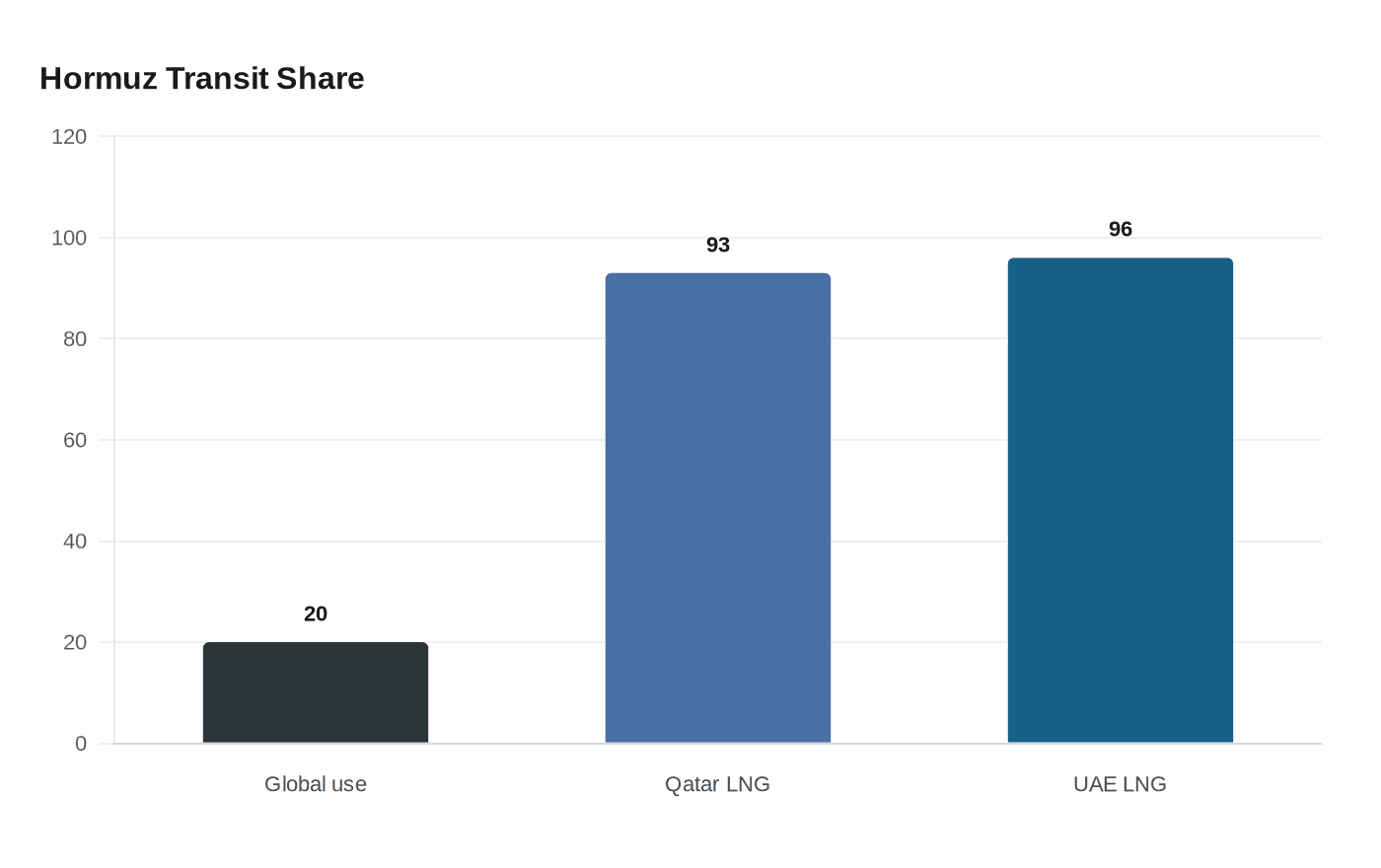
The Strait of Hormuz has become the sharpest pressure point in the standoff between Iran and the United States because it is not just a map line, but a global energy artery. The waterway is the primary export route for oil from Saudi Arabia, the United Arab Emirates, Kuwait, Qatar, Iraq, Bahrain and Iran. In 2024, flows through the strait averaged about 20 million barrels per day, roughly 20% of global petroleum liquids consumption, while about 93% of Qatar’s LNG exports and 96% of the UAE’s LNG exports moved through the same narrow passage.
That makes any talk of reopening the strait or blocking it far more than a diplomatic gesture. Iran has reportedly offered to end its chokehold on shipping if the United States lifts its blockade and the war ends, while postponing nuclear negotiations to a later stage. U.S. officials and Donald Trump have discussed the proposal, but Trump appears unlikely to accept it, leaving the maritime dispute unresolved and the risk of disruption to fuel markets still elevated.
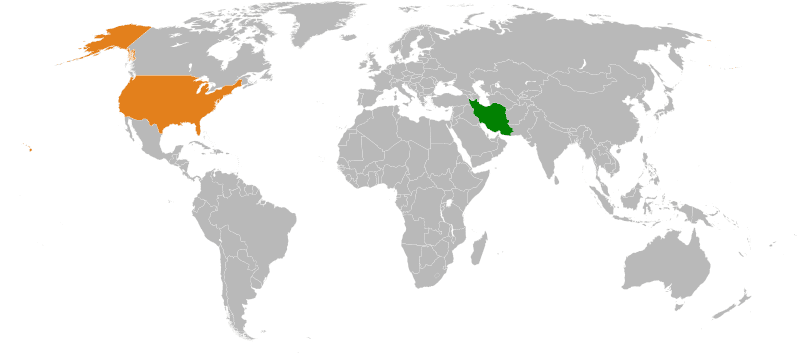
The bigger strategic fight remains Iran’s nuclear program. The 2015 Joint Comprehensive Plan of Action was signed on July 14, 2015, by Iran, the United States, China, France, Germany, Russia, the United Kingdom and the European Union as a deal meant to keep Iran’s nuclear program exclusively peaceful. The Trump administration withdrew the United States from the agreement in 2018, and Iran’s subsequent enrichment buildup has made it far harder for negotiators to recreate a workable ceiling on uranium production.
That history is now shaping the current talks, which are drifting toward a temporary or phased arrangement rather than a comprehensive settlement. Rafael Grossi, the director general of the International Atomic Energy Agency, has said any deal ending the war would require very detailed verification measures, a signal that nuclear monitoring remains central to any agreement and that Tehran will face close scrutiny over how much material it keeps, where it stores it and how quickly inspectors can verify compliance.
The stakes extend beyond diplomacy. If the Strait of Hormuz is threatened, oil prices can jump quickly, shipping insurers can pull back and Gulf producers can face delays that ripple through global supply chains. If the nuclear file remains unsettled, the United States and its partners face a longer road to containing Iran’s capabilities, with a misstep in the strait or at the negotiating table raising the odds that a fragile deal collapses into a wider regional escalation.
This article was produced by Prism’s automated news system from verified source data, official records, and press releases, then run through automated quality and moderation checks before publishing. The system is built and supervised by the people who set the standards it runs under. Read our full AI policy.
Did this article answer your question?


