Trump Launches Major U.S.-Israeli Strikes On Iran Amid Escalating War
Trump called Iran a “state of collapse” as U.S.-Israeli strikes killed senior commanders and deepened a war that has shaken oil routes and nuclear talks.

Trump’s claim that Iran was in a “state of collapse” put the burden of proof on a war that has already killed senior commanders, hit infrastructure and rattled the world’s most important energy corridor. But collapse is a specific standard, and the facts on the ground point to a battered state under pressure, not a country whose command system, government and basic civilian functions have simply vanished.
The war began with Trump’s announcement of “major combat operations” against Iran on Feb. 28, when U.S. and Israeli forces launched joint strikes on military, government and infrastructure sites. Trump said the campaign was meant to eliminate imminent threats and destroy Iran’s missile infrastructure, then appealed directly to Iranians, saying the “hour of your freedom is at hand” and urging them to take over their government. Reports from the opening phase said the assault killed several senior Iranian figures, including Revolutionary Guard commander Gen. Mohammad Pakpour and Defense Minister Aziz Nasirzadeh.
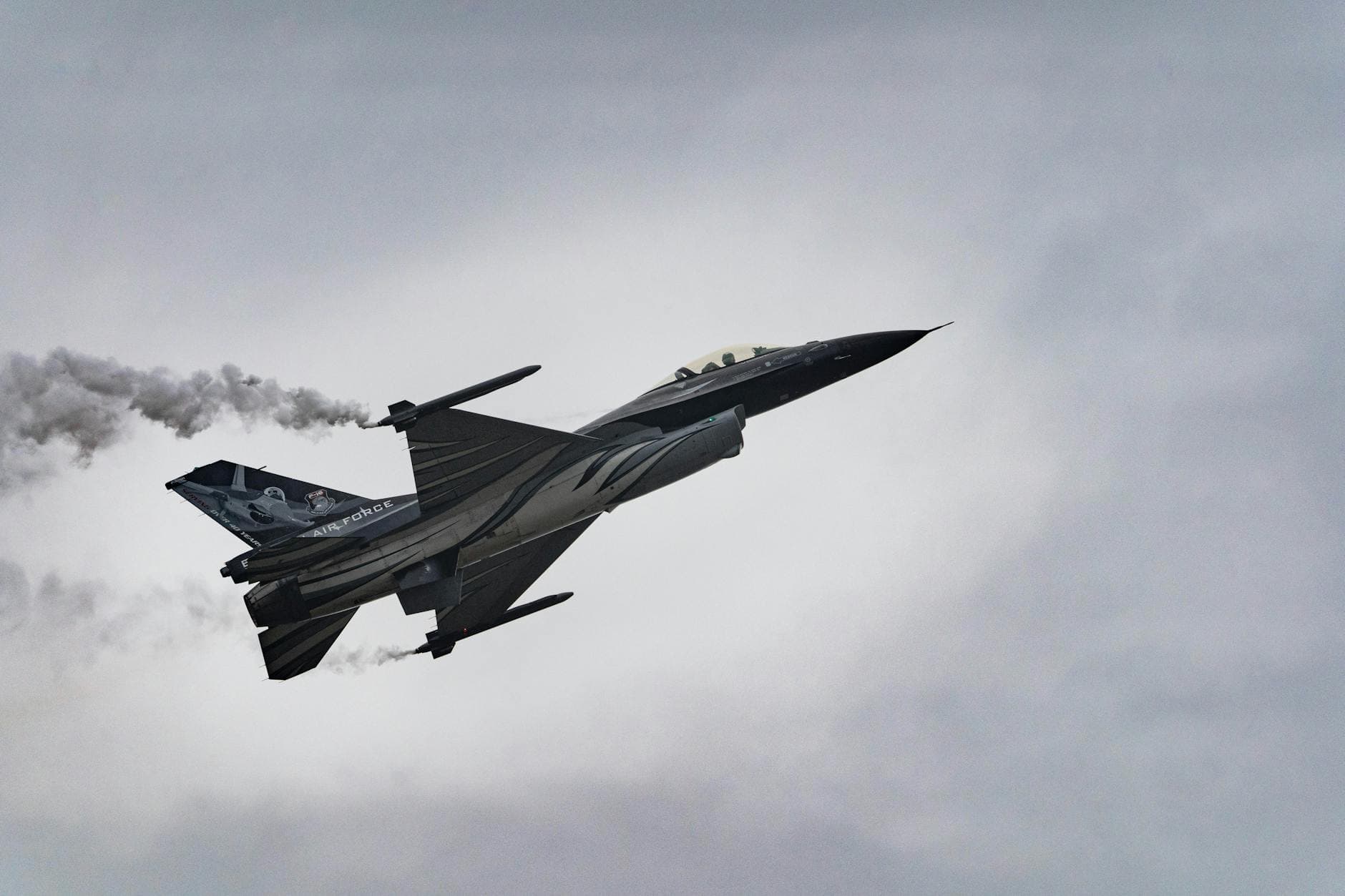
By April, the conflict had moved beyond the first shock of the strikes and into a broader regional crisis. A two-week ceasefire announced on April 8 was later extended, but initial U.S.-Iran talks in Pakistan failed to produce a peace deal. The fighting has killed thousands, disrupted trade routes and sent energy markets into turmoil, with the Strait of Hormuz again at the center of the fallout. That narrow waterway carries about one-fifth of the world’s oil and gas, and any sustained disruption immediately raises the cost of doing business far beyond Tehran.
Trump escalated the uncertainty again on April 28, saying Iran had informed the United States that it was in a “state of collapse” and wanted the U.S. to reopen the Strait of Hormuz as soon as possible while it sorted out its leadership situation. The administration said Iran’s latest proposal would delay nuclear talks until after the war and the shipping dispute were settled, while Trump wanted the nuclear issue addressed from the start. He has sent mixed signals throughout the crisis, at times implying regime change has already happened and at other moments saying the U.S. does not know who Iran’s leaders are.
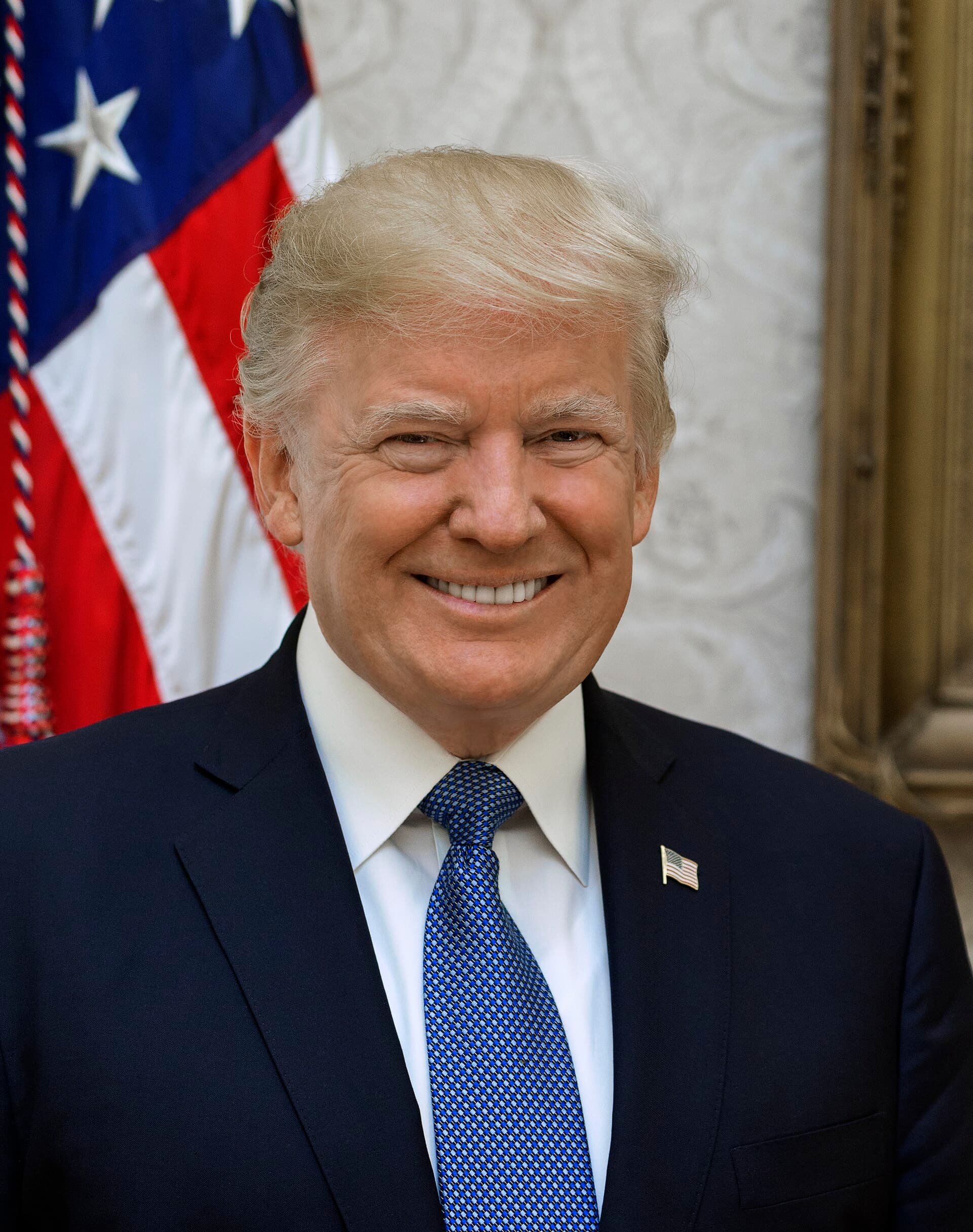
That uncertainty matters because the next American move depends on whether Washington sees a weakened adversary or a government still capable of coercion, retaliation and negotiation. Secretary of State Marco Rubio said competing hardliner factions inside Iran are complicating the stalled talks, while German Chancellor Friedrich Merz said the U.S. has “no strategy” on Iran. For now, Ali Khamenei, Masoud Pezeshkian and the rest of Iran’s state apparatus remain relevant enough to bargain, threaten and absorb punishment, which is a long way from collapse.
This article was produced by Prism’s automated news system from verified source data, official records, and press releases, then run through automated quality and moderation checks before publishing. The system is built and supervised by the people who set the standards it runs under. Read our full AI policy.
Did this article answer your question?


