Iran, US weigh first-phase deal to end war, secure Gulf shipping
Secret terms on both sides signal how fragile the talks are, with a one-page memo weighing a ceasefire, Gulf shipping access, sanctions relief and nuclear limits.
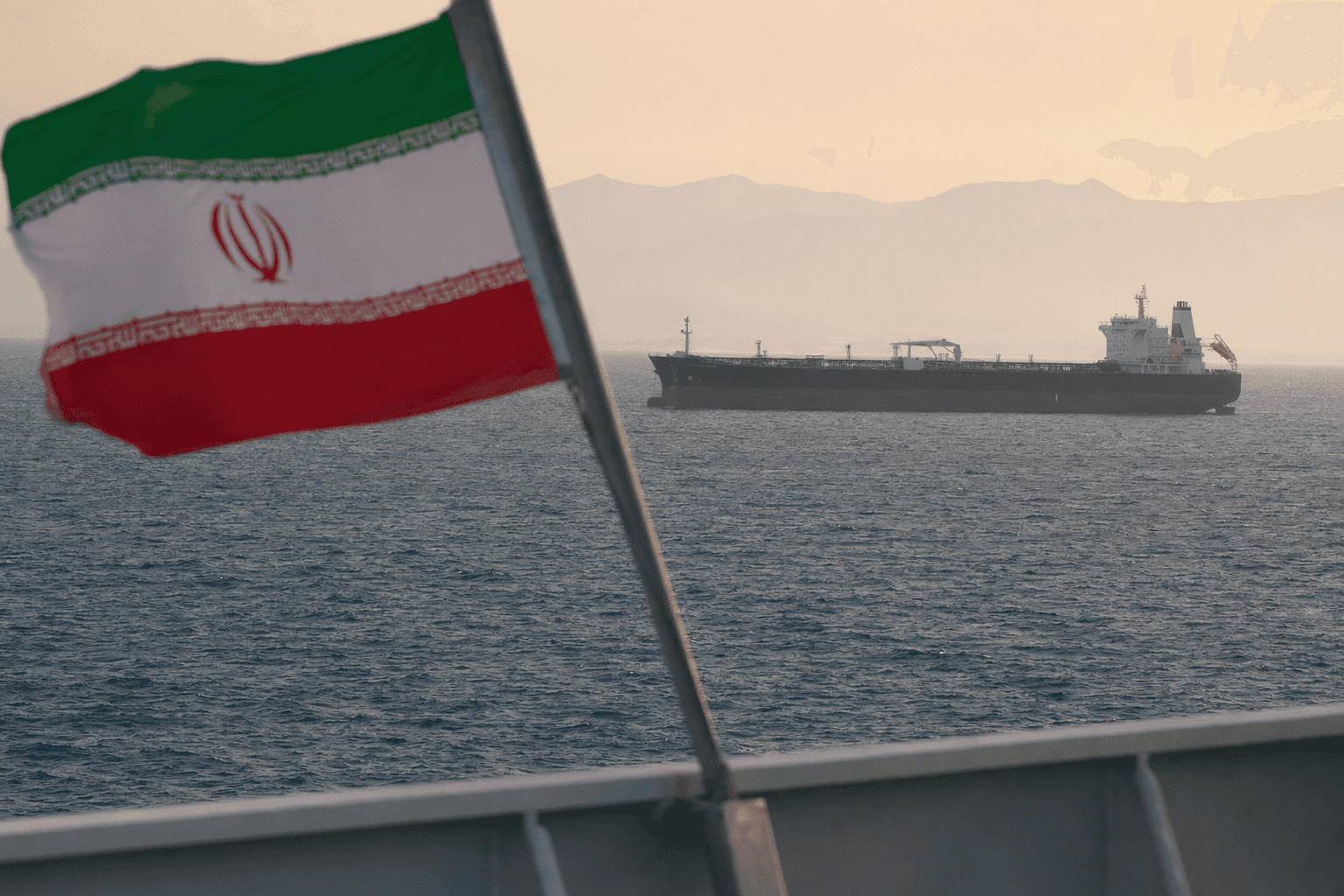
The most revealing part of the U.S.-Iran channel was what neither side put on the record. Iran sent its reply through Pakistani mediators and kept the text private, while Washington’s proposal remained undisclosed, underscoring how tentative the effort was to halt the war and stabilize Gulf shipping.
The Iranian response, delivered on Sunday, May 10, 2026, focused on ending hostilities and protecting maritime security in the Persian Gulf and the Strait of Hormuz. The framework under discussion was described by people briefed on the mediation as a one-page memorandum designed to stop the fighting first and push the hardest questions into later talks.
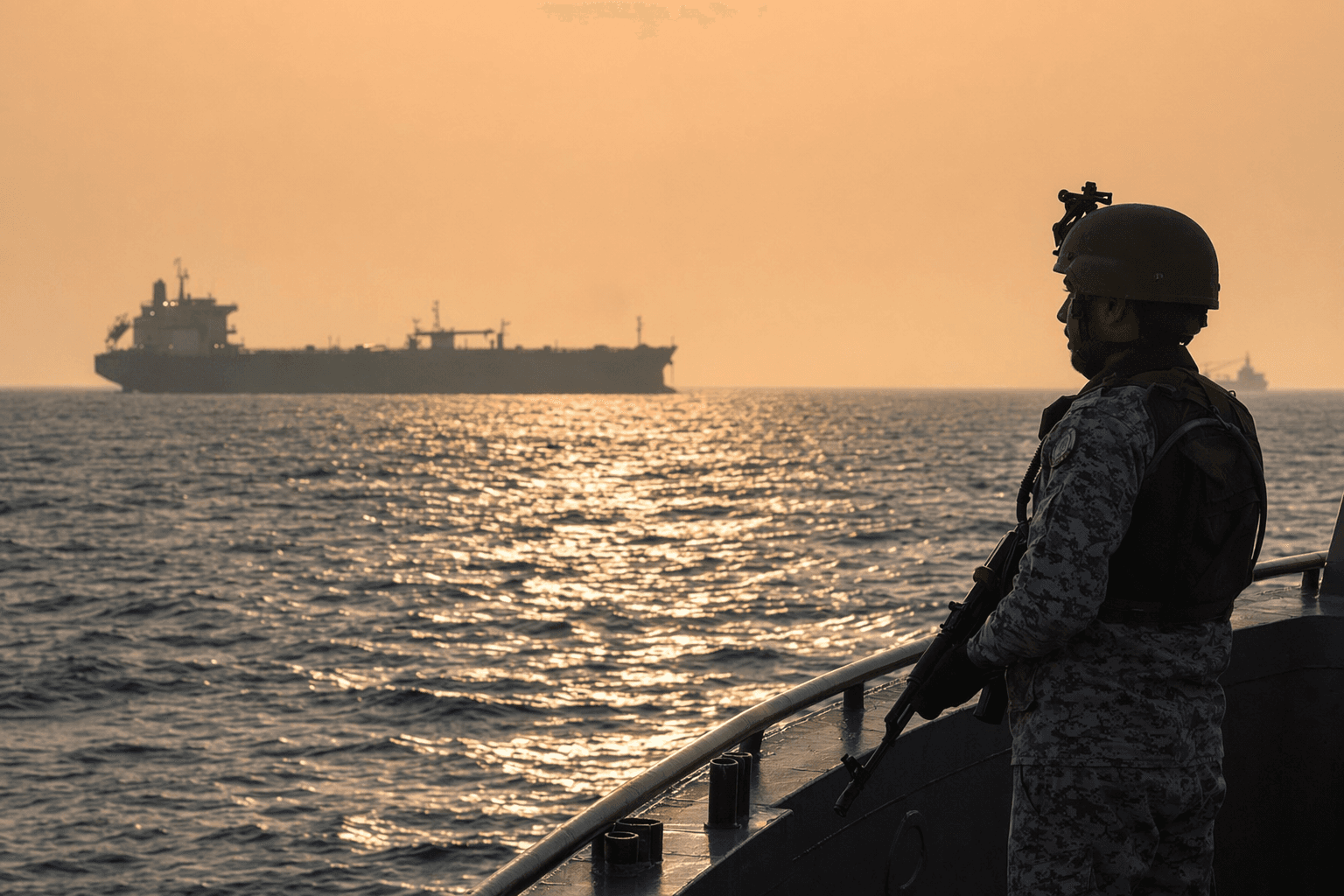
Those later questions go to the center of the conflict. The proposal was said to leave unresolved Iran’s nuclear program and the future of the Strait of Hormuz, while opening talks on shipping through the waterway, lifting U.S. sanctions on Iran and imposing curbs on Iran’s nuclear activity. The war began on February 28, 2026, and by May 10 it had lasted more than two months, with no public sign that either side had settled the sequencing of concessions that typically makes or breaks endgame diplomacy.
The stakes are global. Before the war, the Strait of Hormuz carried about one-fifth of the world’s oil and gas supply, making any reopening central not only to the fighting but to energy markets far beyond the Gulf. That is why the narrow focus on maritime security matters: even a first-phase deal would still have to answer who guarantees safe passage, what happens if attacks resume, and how quickly sanctions relief would follow any Iranian restraint.
The diplomatic push also moved through high-level channels in the United States. Secretary of State Marco Rubio and envoy Steve Witkoff met Qatar’s prime minister, Mohammed bin Abdulrahman Al Thani, in Miami on May 10 as Qatar continued its mediating role. The meeting showed how much of the bargaining has shifted to third-party capitals, where the terms can be tested before either government is willing to stand behind them publicly.
Skepticism in Tehran remained plain. Lawmaker Ebrahim Rezaei called the U.S. text “more of an American wish-list than a reality.” That suspicion points to the familiar fault lines in talks of this kind: whether a ceasefire comes before nuclear concessions, whether sanctions are lifted fast enough to make compliance politically saleable, and whether maritime guarantees can survive the first sign of renewed pressure in the Strait of Hormuz.
This article was produced by Prism’s automated news system from verified source data, official records, and press releases, then run through automated quality and moderation checks before publishing. The system is built and supervised by the people who set the standards it runs under. Read our full AI policy.
Did this article answer your question?


