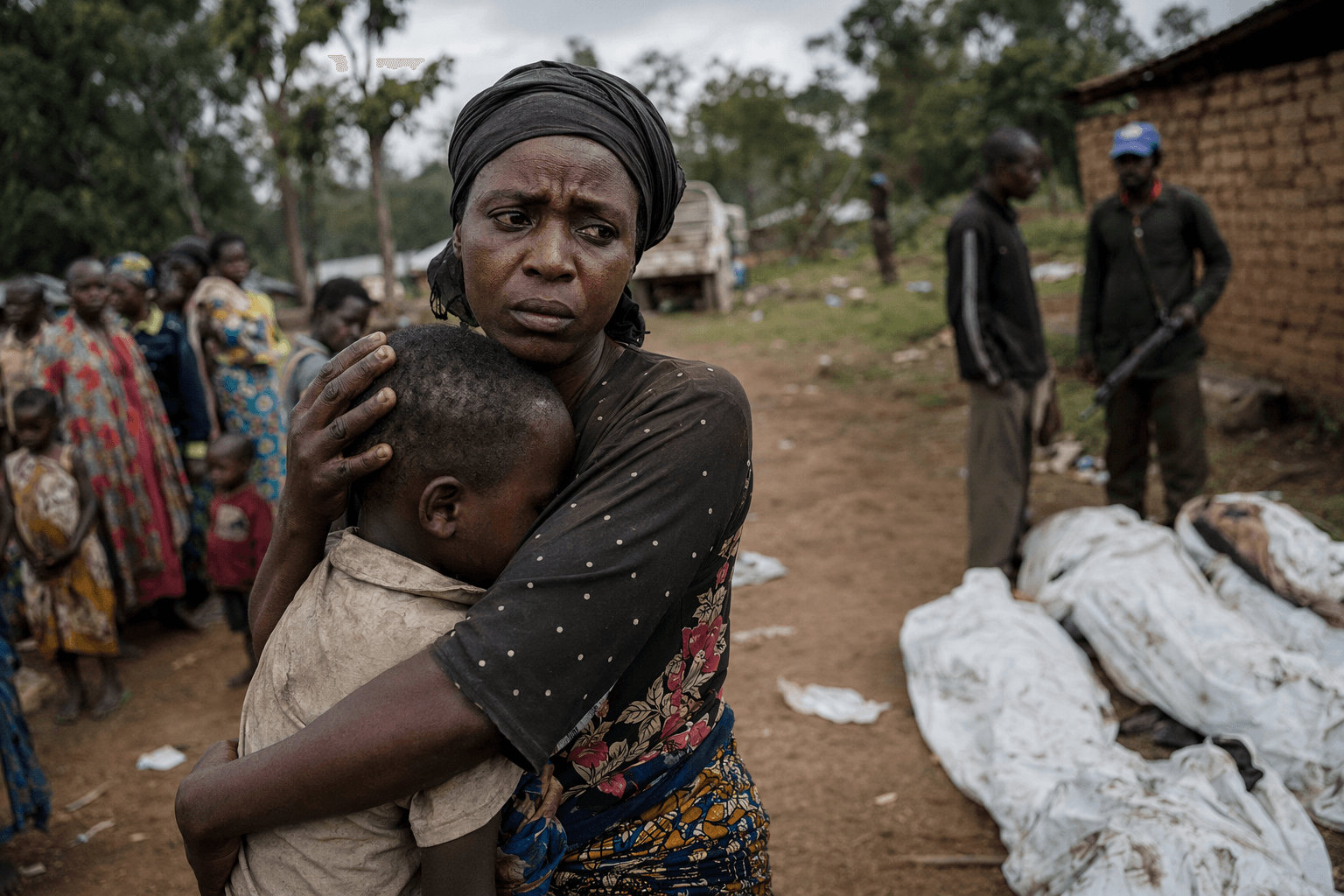
Russia, Ukraine trade ceasefire violation accusations during Victory Day pause
Even as Moscow marked Victory Day, Russia and Ukraine said the U.S.-brokered pause was already breaking down, with drone strikes, shelling and nearly 150 clashes reported.
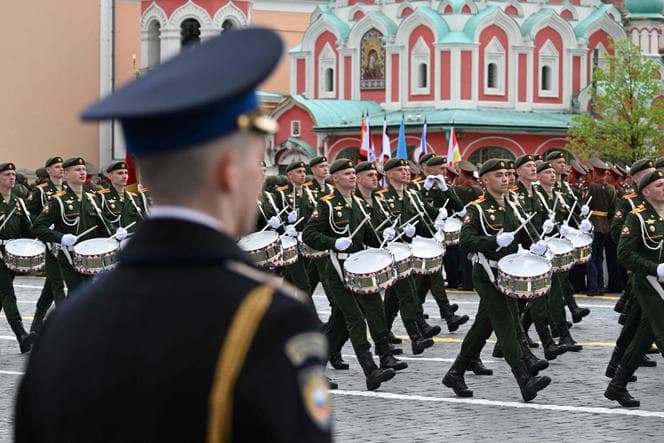
The U.S.-brokered ceasefire was already collapsing into blame and battlefield reports as Russia and Ukraine accused each other of breaking the three-day pause tied to Victory Day. Ukrainian officials said Russian drone and artillery strikes over the previous 24 hours killed at least three people and injured others, while Russian officials said two people were wounded by Ukrainian shelling in the Russian-occupied part of Kherson region.
Donald Trump announced the arrangement on May 8, saying the pause would run from May 9 through May 11, 2026, to coincide with Russia’s Victory Day commemorations. He said the deal also included a 1,000-for-1,000 prisoner swap and described it as a hoped-for start toward ending the war. Trump said, "This request was made directly by me," as he said he appreciated the agreement by Vladimir Putin and Volodymyr Zelenskyy.
But the first hours of the truce underscored how fragile that diplomacy remained. Ukrainian officials reported nearly 150 battlefield clashes in the same period and said the ceasefire had not halted hostilities. Russian-installed authorities in occupied Kherson, led by Vladimir Saldo, said Ukrainian shelling injured two people there, while Kyiv said Russian attacks were still landing across the front.
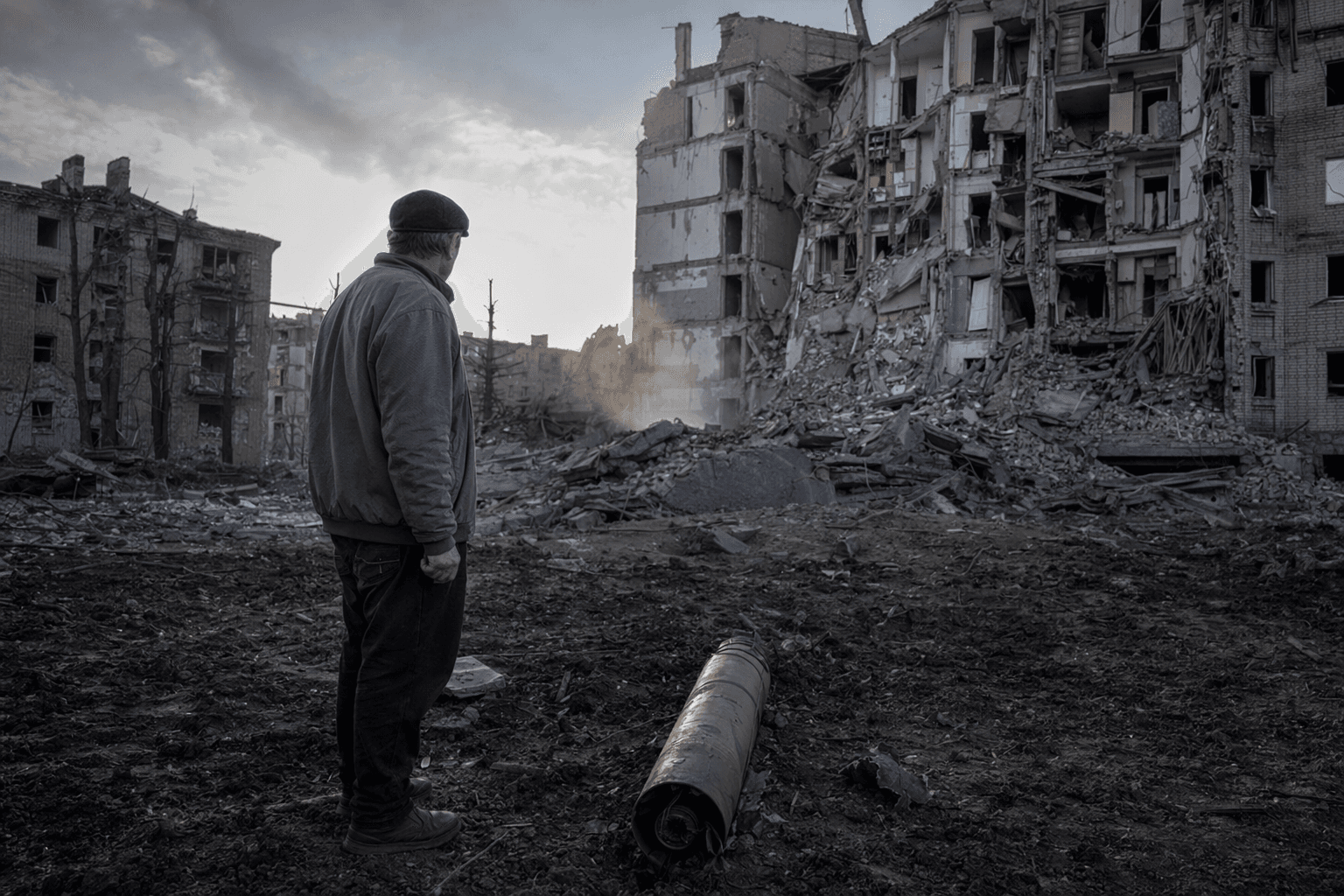
The ceasefire was meant to create a brief calm around one of Moscow’s most politically charged anniversaries, with Vladimir Putin presiding over Victory Day commemorations in the Kremlin’s annual celebration of the Soviet victory over Nazi Germany. Instead, the competing accusations showed how little trust remained between the two sides and how easily a holiday truce could turn into another propaganda battlefield.
The dispute also fit a pattern. In April 2025, Russia and Ukraine accused each other of violating a tentative U.S.-brokered pause on strikes against energy infrastructure, a reminder that even limited agreements have struggled to survive contact with the war. With this latest pause tied to a prisoner exchange and a symbolic holiday window, the U.S. was left with the same hard question it has faced throughout the conflict: whether it can do more than announce a ceasefire when neither side accepts the other’s account of compliance.
Know something we missed? Have a correction or additional information?
Submit a Tip