Iran vows new Hormuz legal framework, retains nuclear capabilities
Tehran warned it will write new rules for Hormuz while keeping its nuclear program intact. The move rattled a chokepoint carrying 20 million barrels of oil a day.
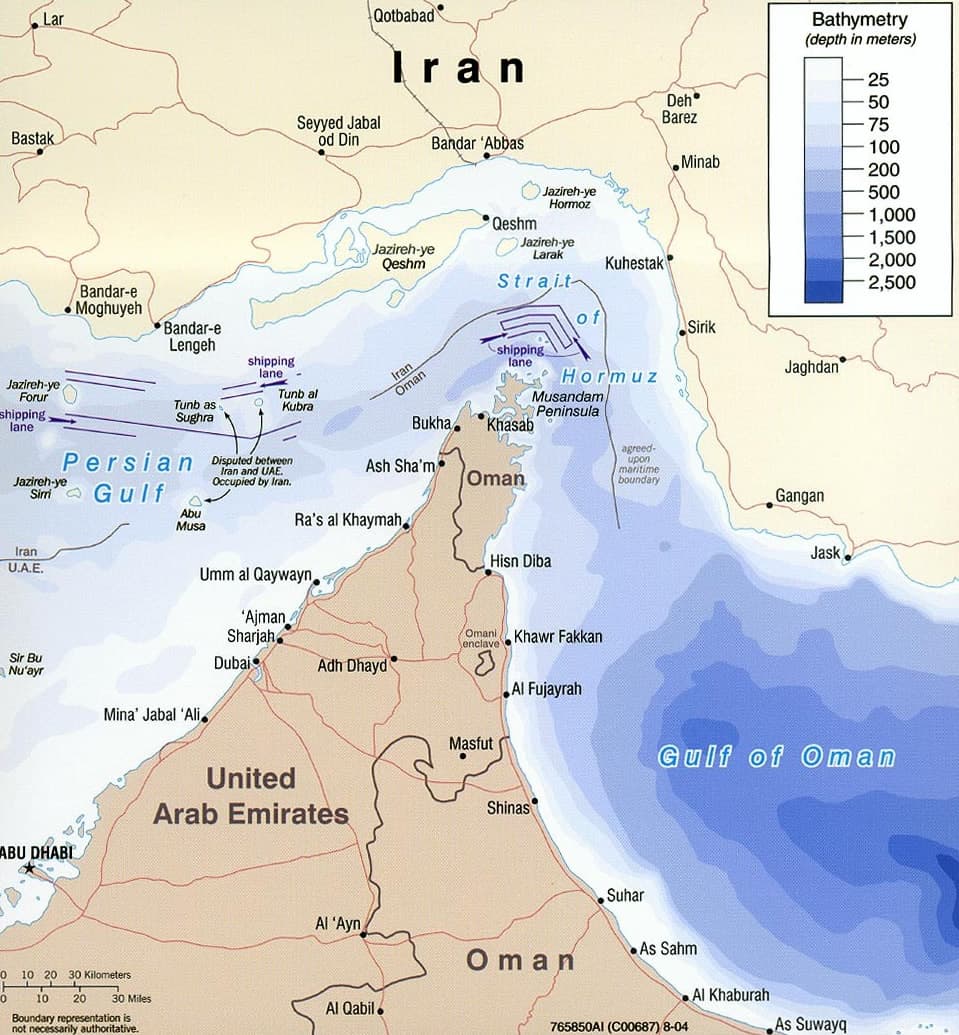
Any Iranian attempt to tighten control over the Strait of Hormuz would reach far beyond the Persian Gulf, threatening oil flows, shipping insurance costs and consumer energy prices across the world. Ayatollah Mojtaba Khamenei said on Thursday that Iran would establish “new legal frameworks” for the strait and retain its nuclear capabilities, a message aimed squarely at Washington and at markets that still treat the narrow waterway as one of the most sensitive pressure points in global trade.
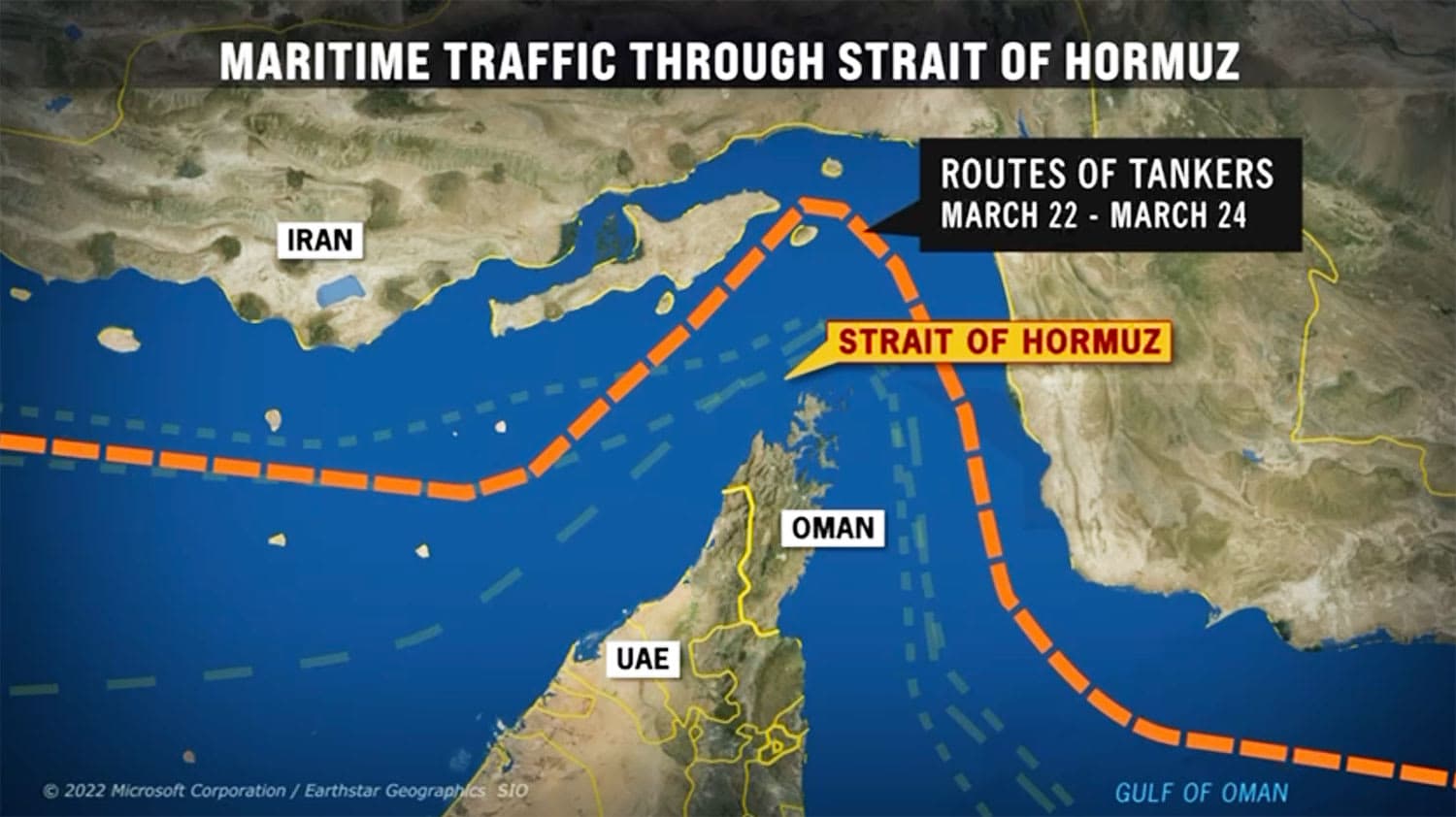
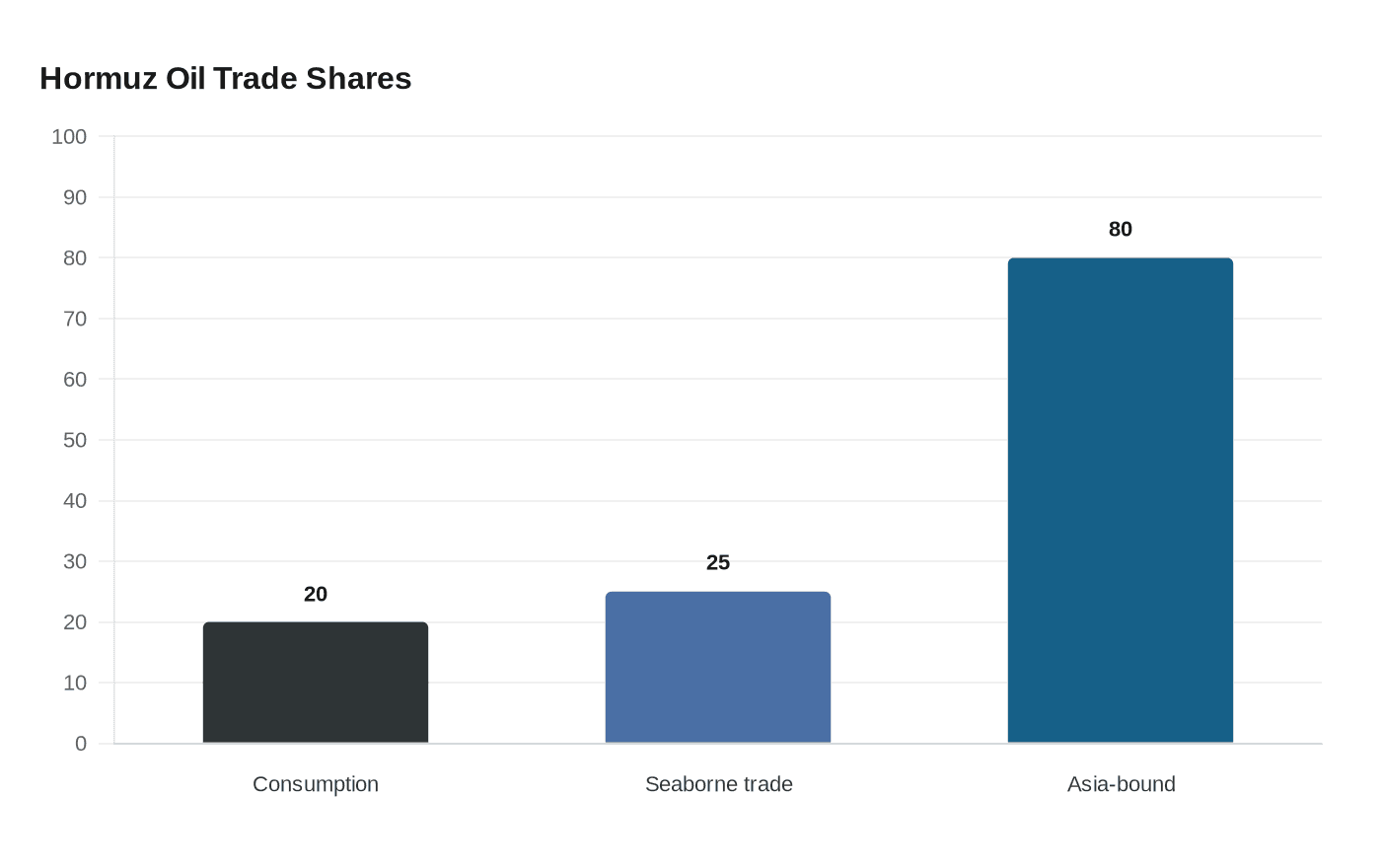
The stakes are immediate and measurable. The Strait of Hormuz carries about 20 million barrels of oil a day, roughly 20% of global petroleum liquids consumption. The International Energy Agency says about 20 million barrels a day, or around 25% of world seaborne oil trade, transits the strait, and about 80% of that oil is destined for Asia. The agency also says Qatar’s and the United Arab Emirates’ liquefied natural gas exports rely heavily on the route, making any closure a direct threat to global gas trade as well as crude supplies.
The confrontation has already moved oil markets. Reports said Brent crude surged to wartime highs as the standoff deepened, and the U.S. Energy Information Administration estimated that Iraq, Saudi Arabia, Kuwait, the United Arab Emirates, Qatar and Bahrain collectively shut in 7.5 million barrels per day of crude production in March because of the disruptions. The EIA said 2024 flows through the strait averaged 20 million barrels per day and were relatively flat in the first quarter of 2025 before the current crisis escalated.
Khamenei’s statement also sharpened the diplomatic split over how, or whether, the crisis can be defused. Iran had previously floated a phased proposal through Pakistani mediators to reopen the strait while postponing nuclear negotiations, but U.S. officials have signaled skepticism, and Secretary of State Marco Rubio has reportedly rejected any deal that leaves Iran’s nuclear program unresolved. Tehran had also been demanding that any reopening of Hormuz be tied to an end to the war and a U.S. lifting of its blockade.
Regional governments have treated the strait as a global security issue, not a bilateral dispute. A UAE-led joint statement in March 2026, backed by the United Kingdom, France, Germany, Italy, Japan, Canada, South Korea, Australia and others, warned against any threat to international navigation through Hormuz. Khamenei’s message, coming as one of his first major public statements since rising to power, signaled defiance and continuity at once: Iran intends to keep its nuclear and missile capabilities, and it wants the world to understand that the strait remains one of its sharpest tools of leverage.
Know something we missed? Have a correction or additional information?
Submit a Tip