Iran War Drives Up Polyester Costs, Threatening Fast-Fashion Prices
War-driven energy costs are pushing up polyester inputs in India and Bangladesh, raising pressure on suppliers that clothe Zara, H&M, Walmart and others.
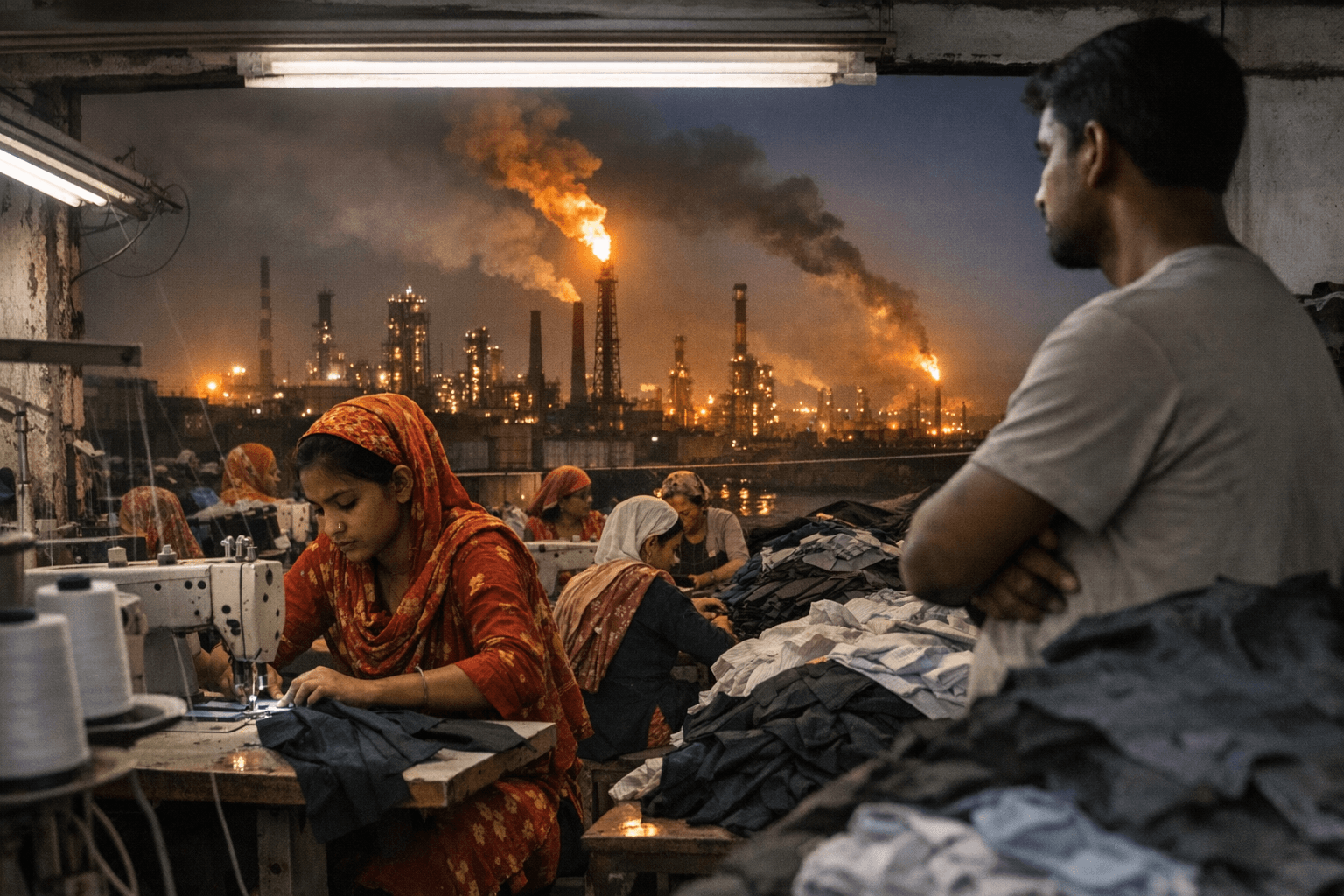
The war’s impact is reaching far beyond fuel markets and into the fabric of everyday clothing. A surge in fossil fuel prices has lifted the cost of the petroleum-derived inputs used to make polyester yarn, and suppliers in India and Bangladesh are now warning of higher costs, tighter margins and possible price pressure on global fast-fashion brands.
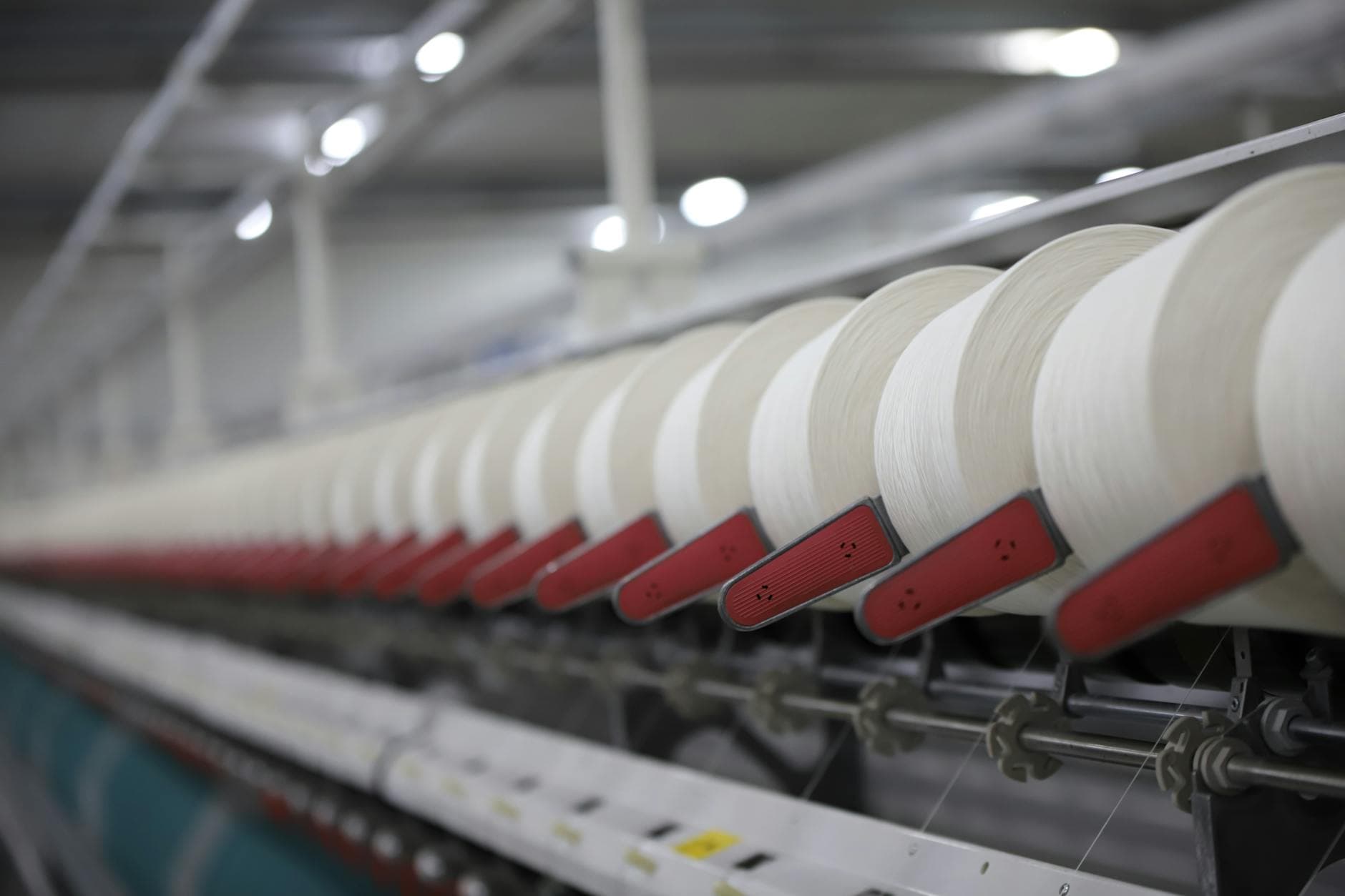
Polyester dominates the clothing business, accounting for 59% of global fibre production, so even a modest jump in input costs can ripple through an industry built on scale and speed. Filatex, one of India’s biggest polyester yarn producers, is paying nearly 30% more for purified terephthalic acid and monoethylene glycol, according to managing director Madhu Sudhan Bhageria. Those chemicals are basic building blocks for polyester, and the squeeze is landing as retailers across Asia-linked supply chains try to lock in orders and keep shelves stocked.
The strain is not limited to raw materials. Avichal Arya of Bindal Silk Mills said the energy crisis has “drastically” increased the cost of chemicals and dyes. His company supplies dyed and printed polyester fabrics to H&M, Zara-owner Inditex, Target, Walmart and IKEA, showing how a shock tied to the Middle East can move through factory floors in India and into wardrobes in the United States and Europe. In Surat, a key textile hub in Gujarat, many migrant workers have left after a cooking-gas shortage, adding labor pressure to the cost shock already hitting mills.
Retailers are partly insulated for now by forward buying, which has delayed the immediate hit to importers and brands. Primark said its spring/summer stock and much of its autumn/winter stock would not be affected. Associated British Foods chief executive George Weston said that if the company were buying energy-related raw materials today it would see significant inflation, although it is not in that position now. An industry source said H&M expects price increases from Bangladeshi suppliers in the coming weeks but plans to absorb them. H&M said it sees no major disruptions to production in Bangladesh and has not noticed a meaningful wave of supplier requests to adjust orders because of energy costs.
The pressure still points downstream. Zara and H&M have shifted to mostly recycled polyester, made from plastic bottle waste, which may soften some oil-linked cost inflation. But Bangladesh, a major garment hub, remains heavily dependent on imported energy and has already been strained by declining domestic gas reserves and higher industrial gas prices. With the Strait of Hormuz carrying a large share of refined petroleum products and energy flows, the conflict is exposing a supply chain that can turn a regional war into a higher price tag on a shirt, a sneaker or a bedsheet.
This article was produced by Prism’s automated news system from verified source data, official records, and press releases, then run through automated quality and moderation checks before publishing. The system is built and supervised by the people who set the standards it runs under. Read our full AI policy.
Did this article answer your question?

