Iran war peace talks begin as Europe faces fuel crisis
Negotiators met in Islamabad after a ceasefire, even as Lebanon fighting and a Hormuz-driven diesel shock pushed Europe toward a fuel crisis.
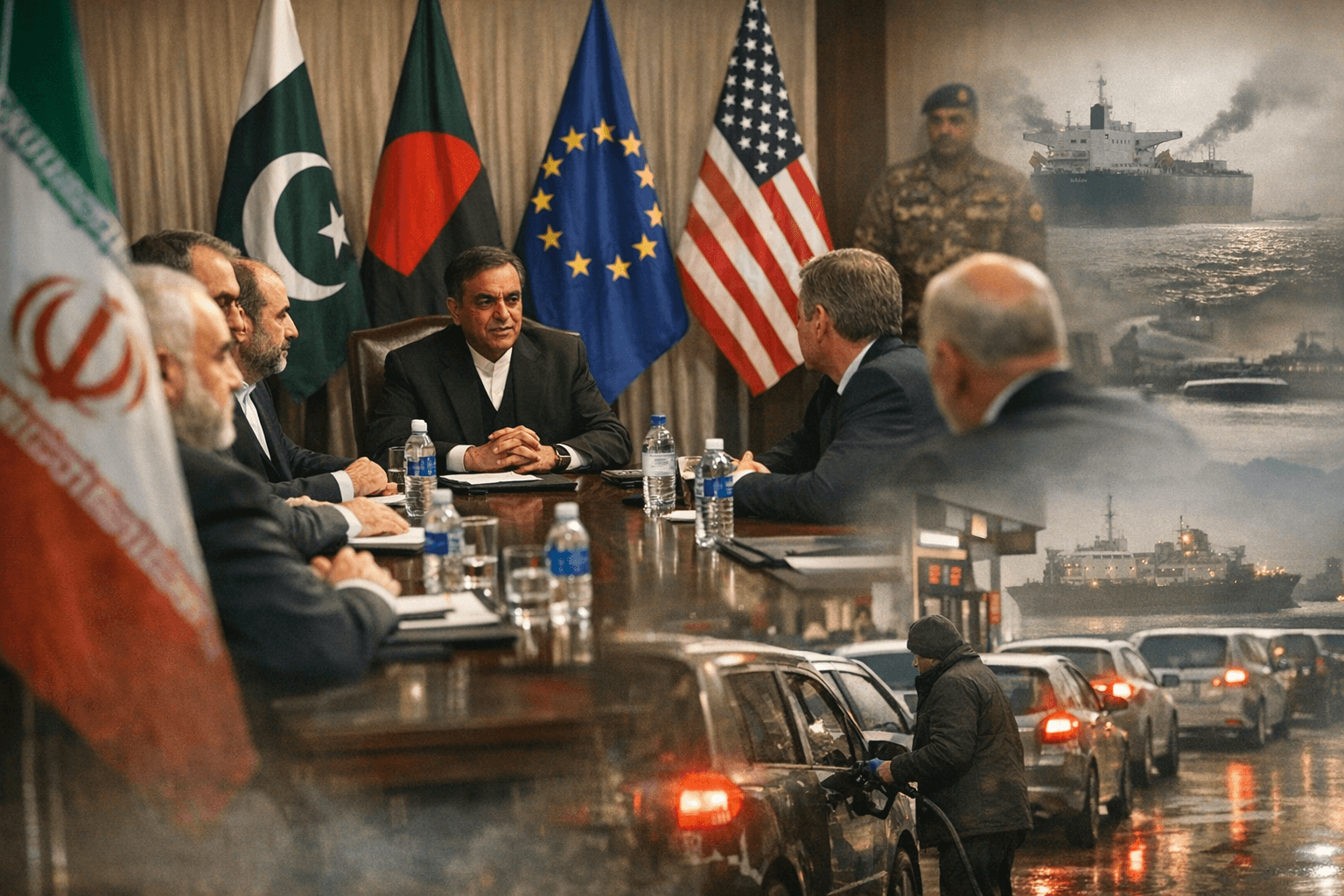
U.S. and Iranian delegations met in Islamabad, Pakistan, on April 11 for talks aimed at ending the six-week war, but the opening round exposed how much broader the conflict had become. Pakistan mediated the discussions after a two-week ceasefire was announced on April 8, yet Tehran said negotiations could not begin without commitments on Lebanon and sanctions, underscoring how the battlefield, diplomacy and economic pressure were all tied together at once.
The ceasefire did not cover Israel’s campaign in Lebanon, and that gap kept the truce under strain. Israeli strikes in Lebanon continued outside the U.S.-Iran framework, while Benjamin Netanyahu said Israel wanted to begin direct peace talks with Lebanon and include the disarming of Hezbollah. United Nations officials said the fighting had already produced nearly 40 days of hostilities, civilian casualties and damage to critical infrastructure, a reminder that the ceasefire stopped only part of the violence.
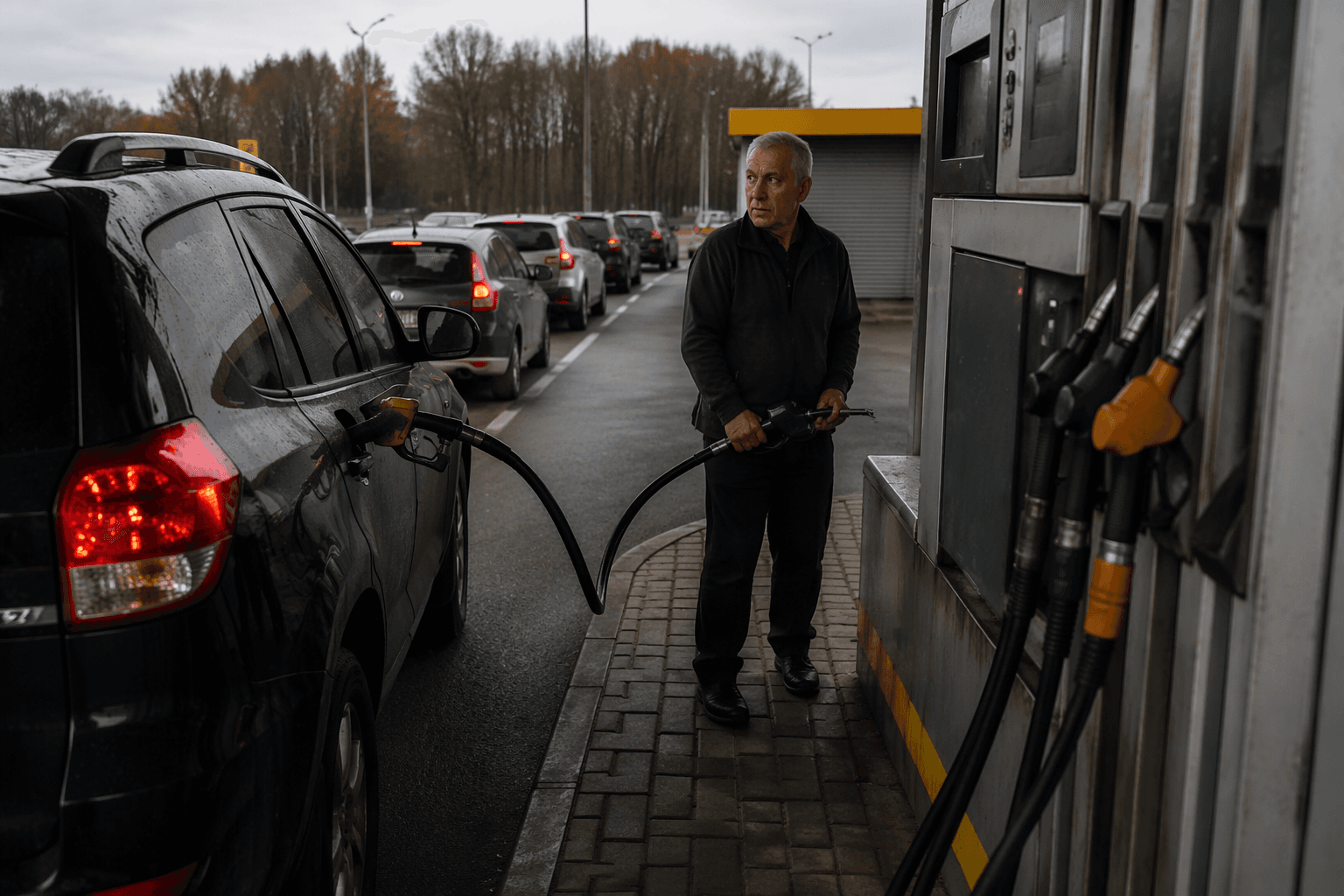
The war’s economic shock was reaching far beyond the Middle East. Europe’s fuel market was hit especially hard after the Strait of Hormuz was effectively closed, disrupting crude and refined-product flows with diesel taking the sharpest hit. Diesel futures in Europe climbed as high as $1,498 a ton, the highest level since 2022, as traders braced for a deeper squeeze. Analysts warned the market could tip into a supply deficit in 2026 if the disruption persisted.
Global energy agencies warned that the strain was not limited to one region. The International Energy Agency said global oil production plunged by more than 10 million barrels per day in March, a historic shock that is already rippling through prices and supply chains. UNCTAD said the Hormuz disruption was slowing global trade, raising inflation pressure and worsening financial stress, especially for countries already under strain from earlier shocks.
The result was a diplomatic opening shadowed by a wider emergency. In Islamabad, the talks signaled that Washington and Tehran were trying to halt a war that was still reshaping Lebanon, tightening Europe’s fuel market and unsettling the global economy all at the same time.
This article was produced by Prism’s automated news system from verified source data, official records, and press releases, then run through automated quality and moderation checks before publishing. The system is built and supervised by the people who set the standards it runs under. Read our full AI policy.
Did this article answer your question?