Iran war set to keep UK inflation above target, Bank warns
Iran’s war is pushing up energy costs, threatening UK food, fuel and bills just as inflation eased to 2.8% and the Bank warns it may climb again.

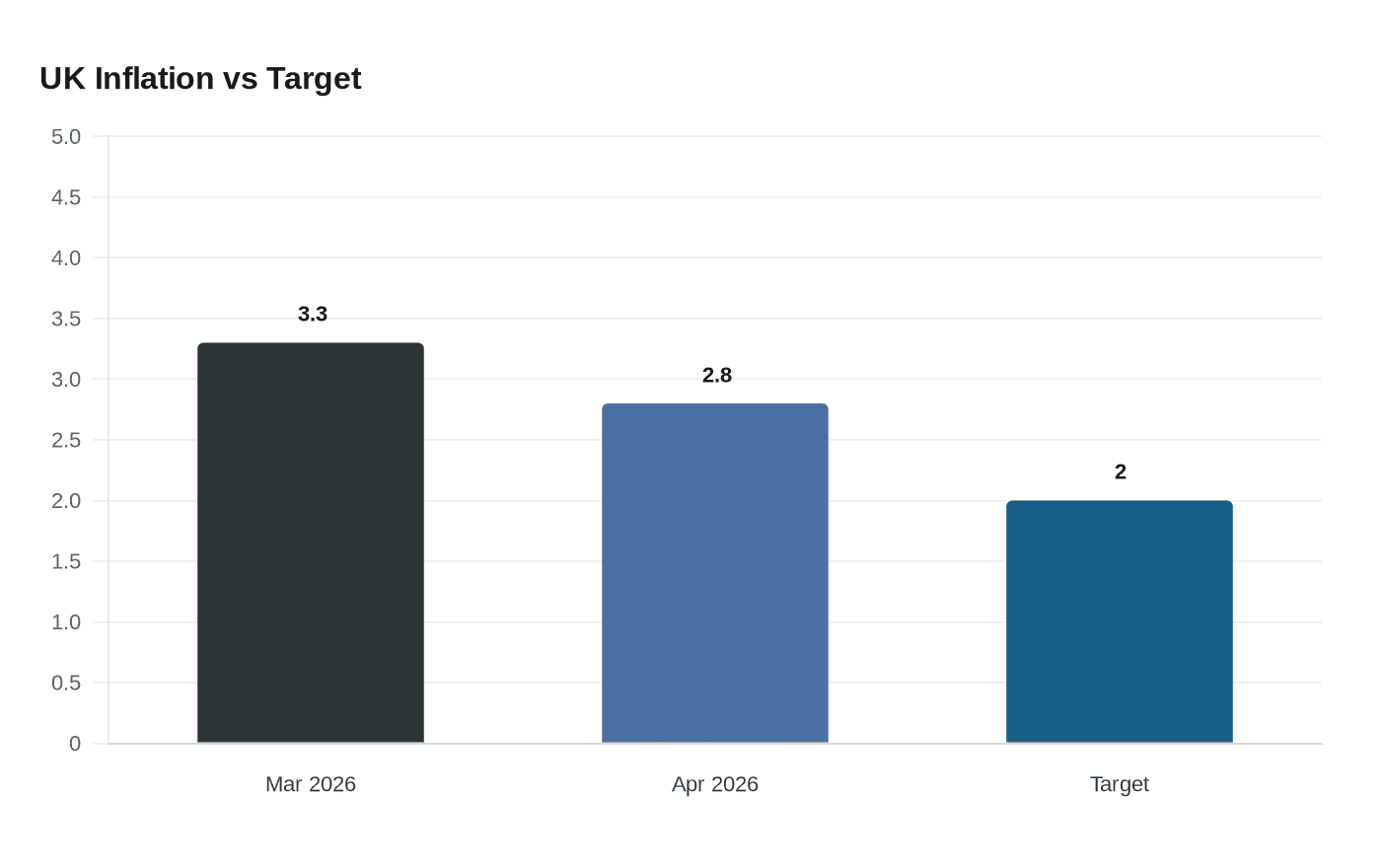
The war in Iran is feeding into wholesale energy markets first, then into the prices households actually pay for food, transport and utilities. UK consumer price inflation slowed to 2.8% in the 12 months to April 2026 from 3.3% in March, but the Bank of England has warned that Middle East war-related energy price rises are likely to push inflation higher again, keeping it above the 2% target.
The Bank held Bank Rate at 3.75% on 30 April and said inflation had already risen to 3.3% and was expected to rise further this year. Its next rate decision is due on 18 June. In its April Monetary Policy Report, the Bank said its 2% inflation target is symmetric and applies at all times, but that shocks and disturbances can move inflation away from target. One of its war scenarios showed inflation could surge past 6% if the energy shock proves prolonged.
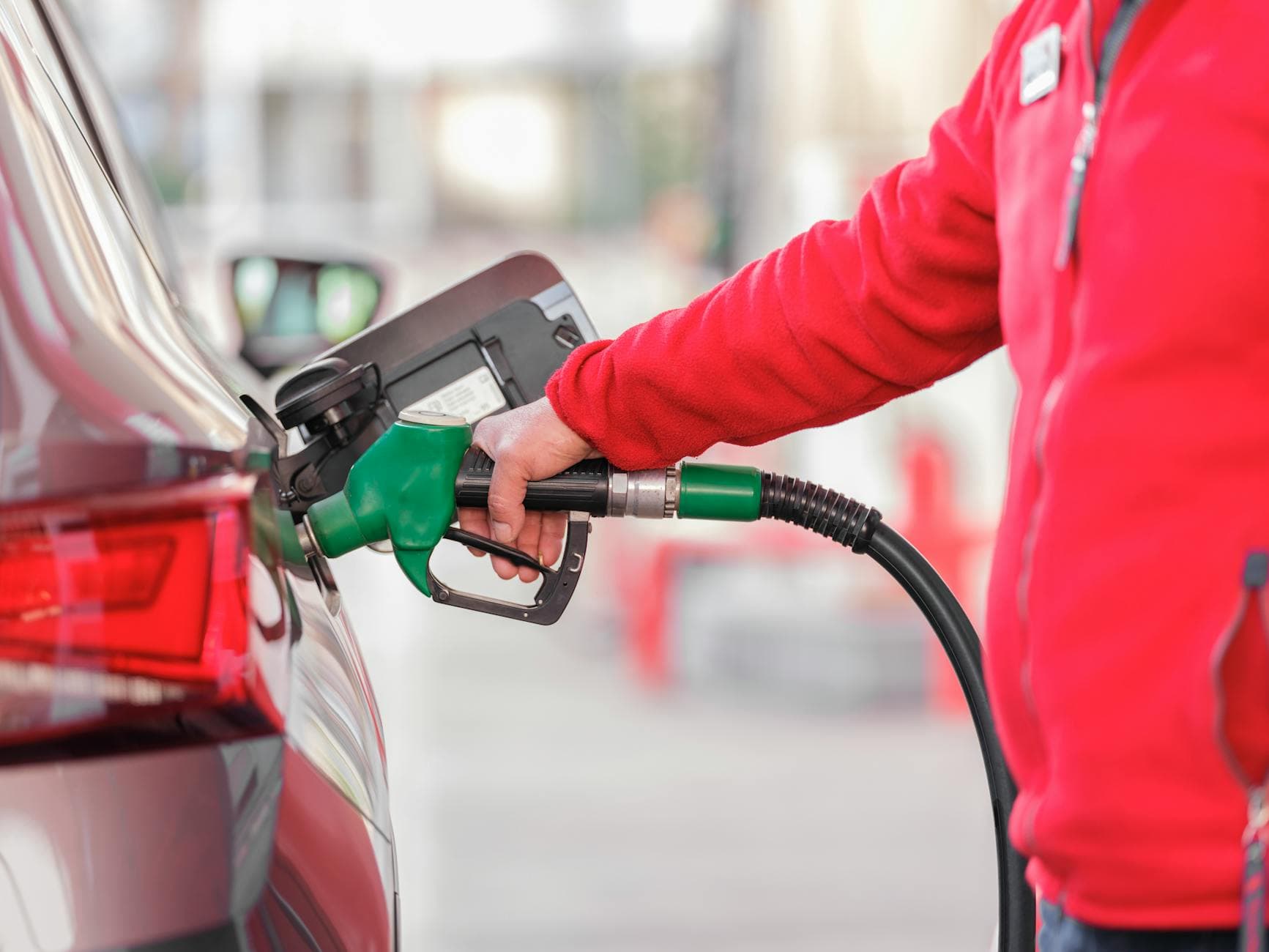
The latest inflation data from the Office for National Statistics offered only limited relief. Lower wholesale prices and government energy bill support helped to pull April inflation down before the full effects of the Iran conflict fed through the economy. That means the 2.8% reading may not last, especially if higher crude and gas prices continue to filter into petrol forecourts, supermarkets and household energy bills over the coming months.
Bank rate-setter Megan Greene sharpened that warning on 18 May, saying central banks should not assume the inflationary hit from the Iran war will be temporary. Her comments reflect a broader concern inside policy circles that energy shocks can outlast the first jump in oil prices, seeping into shipping costs, food production and wage demands if businesses and consumers begin to expect dearer bills to persist.
Parliament’s House of Commons Library has said the conflict has already disrupted oil and gas markets, with petrol prices rising and household gas bills likely to move higher later in 2026. It also warned that previously expected Bank of England rate cuts now look less likely, and that rate hikes are possible if the energy shock deepens. For households hoping inflation pressure was finally easing, the path back to the Bank’s 2% target now looks longer and more fragile.
Know something we missed? Have a correction or additional information?
Submit a Tip