Iran warns it will decide passage through vital Strait of Hormuz
A 29-mile strait carrying 20 million barrels of oil a day is Iran’s pressure point. Tehran’s claim on passage could ripple through prices, shipping and U.S. policy.
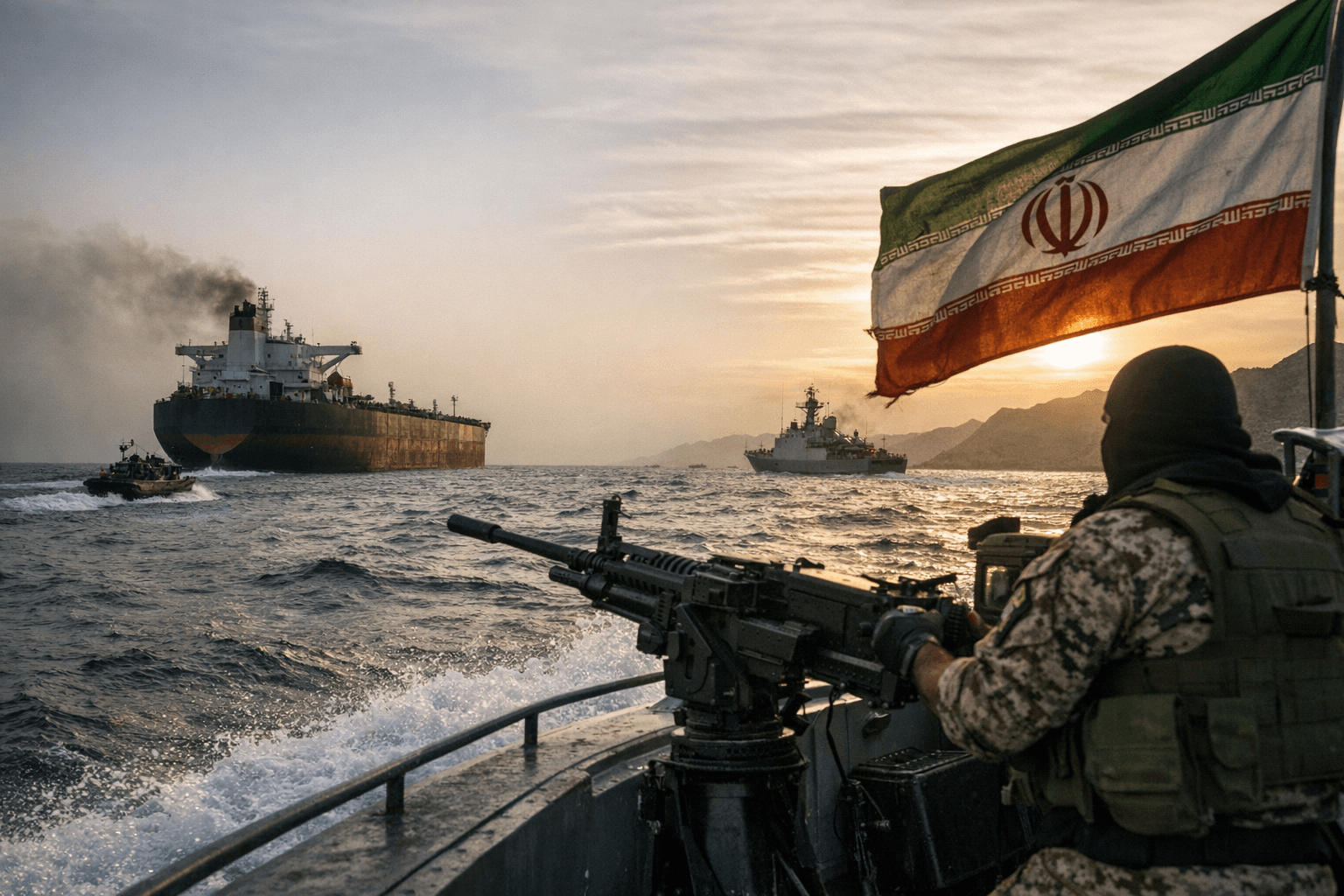
When Ebrahim Azizi says Iran will decide who gets through the Strait of Hormuz, he is talking about a waterway that helps set the price of energy far beyond the Gulf. The strait links the Persian Gulf with the Gulf of Oman and the Arabian Sea, and at its narrowest point it is only 29 nautical miles wide.
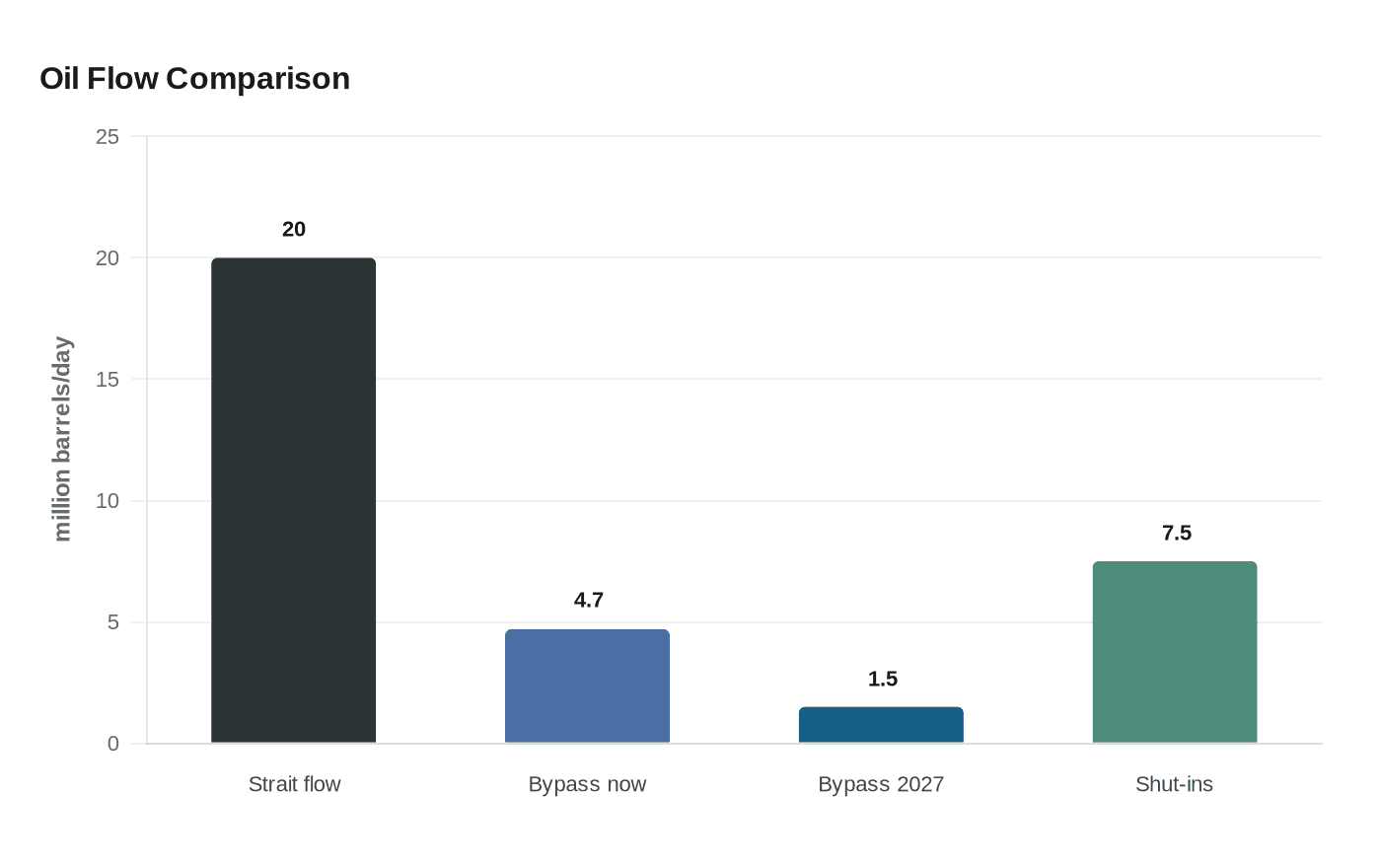
Inside that channel, the practical margin for error is tiny. The shipping lanes are just 2 miles wide in each direction, with a 2-mile buffer zone between them. In 2025, an average of 20 million barrels a day of crude oil and oil products moved through the strait, equal to about 20% of global petroleum liquids consumption. Roughly 3,000 ships passed each month, or about 80 a day, making the route one of the world’s most important oil chokepoints.
Azizi, who heads Iran’s parliament national security commission, told the BBC’s Lyse Doucet that passage would be decided by Tehran. Other reported remarks from him said the strait would reopen only under Iran’s new conditions and not to the United States. A separate Iranian proposal described this month suggested cooperation with Oman and tighter control over vessels linked to Israel, underscoring how the waterway has become a tool of regional pressure as well as military risk.
The leverage matters because there are few practical alternatives if traffic is disrupted. Saudi Aramco’s East-West pipeline and the United Arab Emirates’ Abu Dhabi pipeline together can bypass only about 4.7 million barrels per day. The UAE has said it plans another bypass line capable of carrying 1.5 million barrels per day by 2027, but that would still leave the strait as the central route for much of Gulf energy trade.
The wider stakes are already visible. The U.S. Energy Information Administration said oil flows through the Strait of Hormuz were constrained enough in March 2026 that Iraq, Saudi Arabia, Kuwait, the UAE, Qatar and Bahrain collectively shut in 7.5 million barrels per day of crude production. In a region where the waterway has repeatedly been opened, restricted and reclosed during the April 2026 crisis, even a short interruption can raise oil prices, increase shipping costs and force energy markets to reprice risk almost immediately.
For Gulf governments, the strait is not only a shipping lane but an economic lifeline. For Washington and its allies, it is a reminder that foreign policy, military posture and fuel costs remain tightly linked to a passage narrower than many city streets.
This article was produced by Prism’s automated news system from verified source data, official records, and press releases, then run through automated quality and moderation checks before publishing. The system is built and supervised by the people who set the standards it runs under. Read our full AI policy.
Did this article answer your question?