Trump Says U.S. Seized Iranian Cargo Ship in Strait of Hormuz
U.S. Marines took an Iranian-flagged cargo ship after Trump said Navy fire hit its engine room, sharpening fears of retaliation in Hormuz.
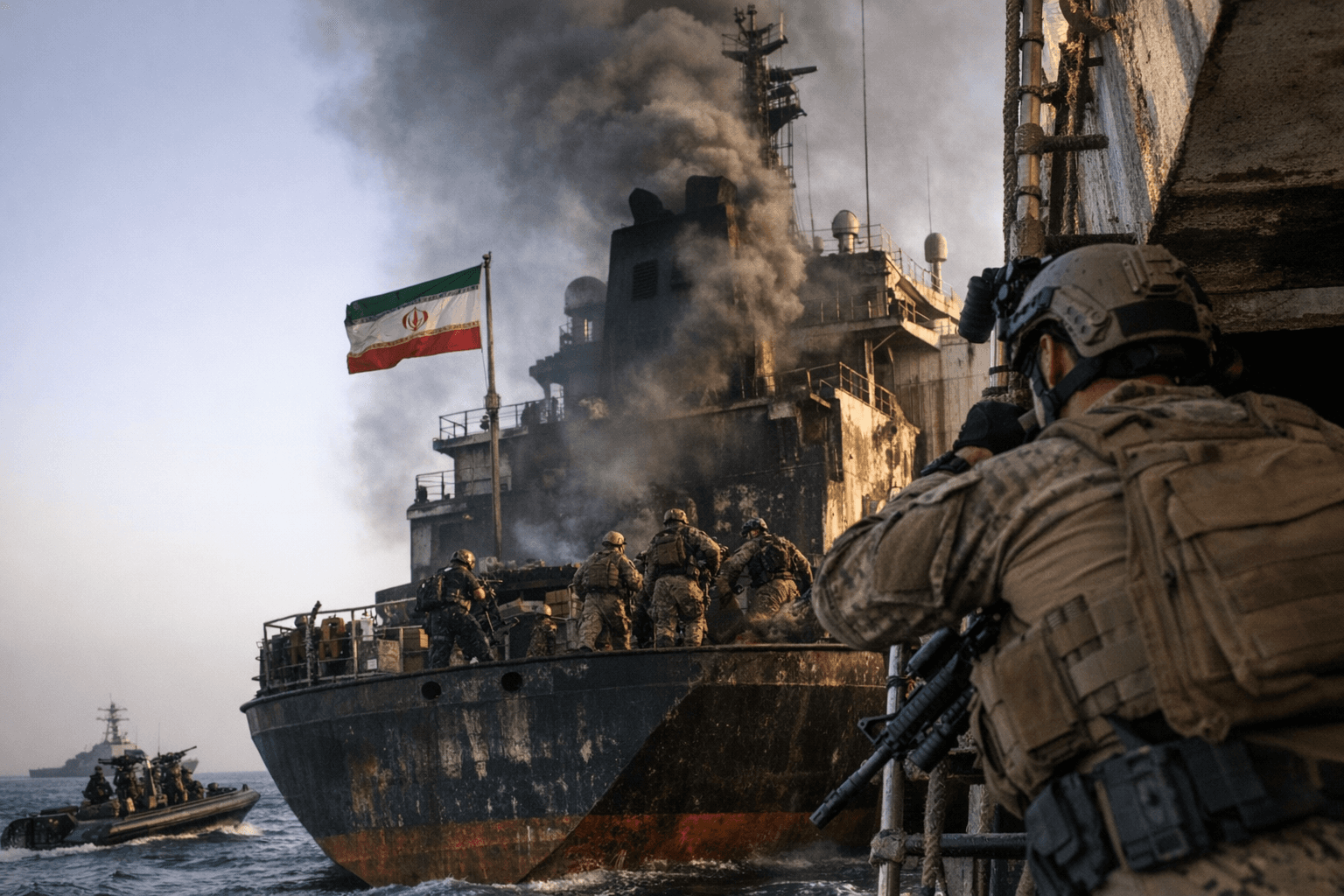
The seizure of an Iranian cargo ship in the Strait of Hormuz raised a threshold question with immediate consequences for shipping, diplomacy and military rules of engagement: has Washington moved from pressure to direct confrontation with Tehran? President Donald Trump said the U.S. Navy guided-missile destroyer USS Spruance intercepted the vessel Touska in the Gulf of Oman after warning it to stop, then fired into its engine room before U.S. Marines took custody of the ship.
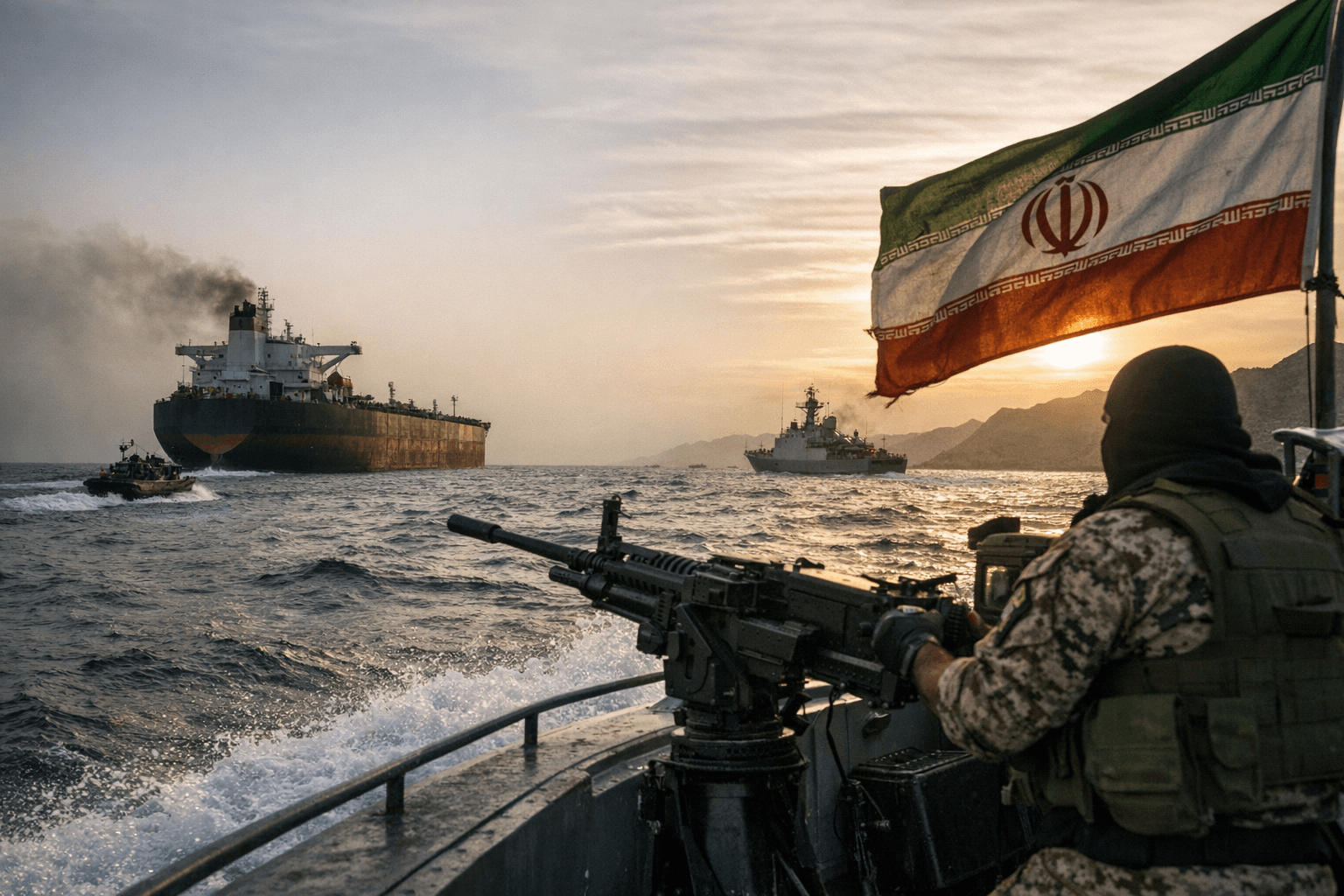
Trump said the Touska was already under U.S. Treasury sanctions because of prior illegal activity, a claim that points to the legal rationale Washington is invoking for the boarding. But the move also lands in a waterway where legal claims are contested. The Strait of Hormuz is the sole sea entrance to or exit from the Persian Gulf, and the existing Traffic Separation Scheme there was proposed by Iran and Oman and adopted by the International Maritime Organization in 1968. The U.S. Department of State says commercial and naval forces of the United States and other maritime nations regularly exercise the right of transit passage there under international law.
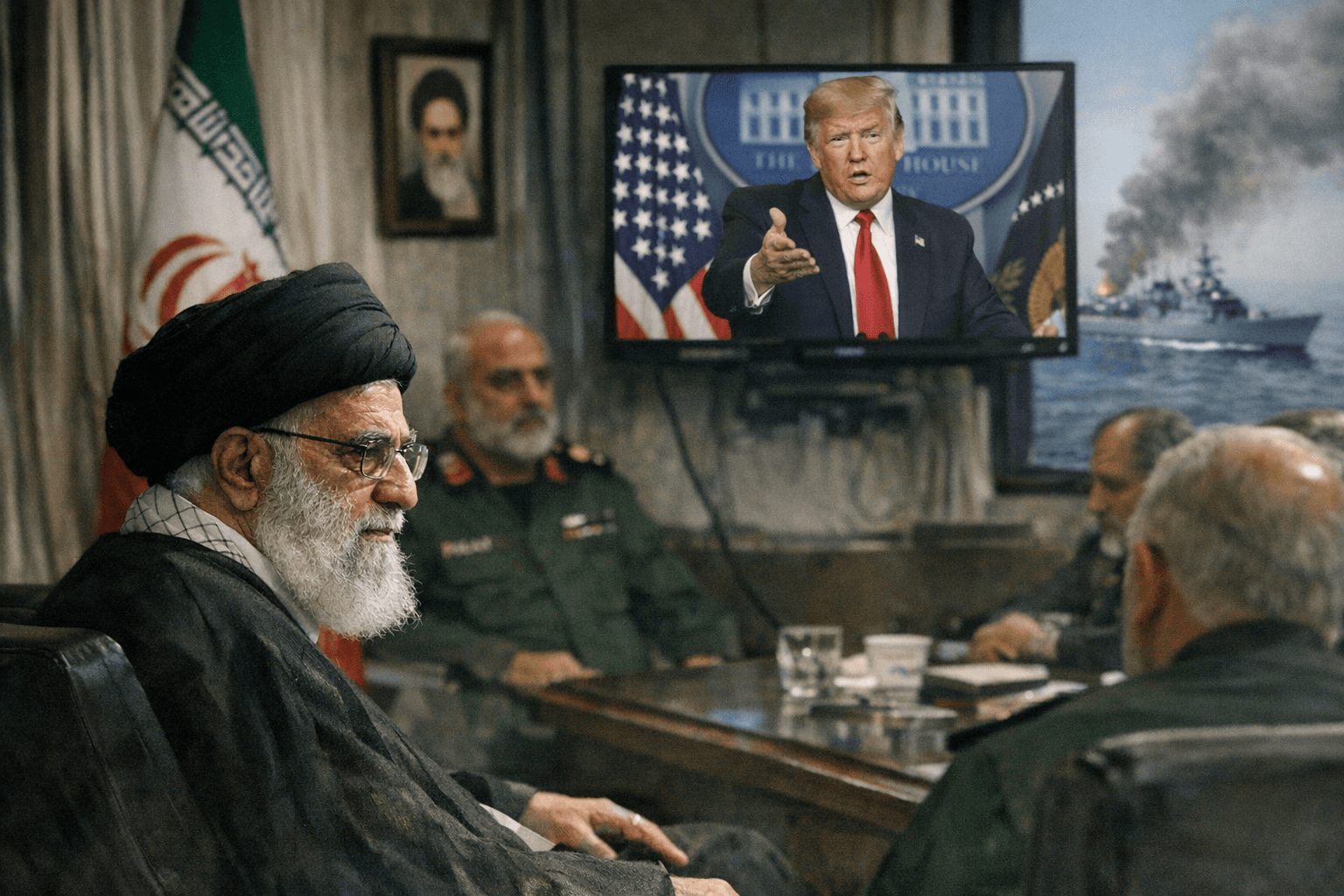
The interception came as U.S. officials were heading to Islamabad for another round of talks with Iran, with Vice President JD Vance, special envoy Steve Witkoff and Jared Kushner reported among the delegation. Trump said the talks would begin on Monday evening, while Iran’s official news agency said Tehran had declined to join, citing Washington’s excessive demands, unrealistic expectations, constant shifts in stance, repeated contradictions and the ongoing naval blockade. Trump escalated the rhetoric further, saying, “We’re offering a very fair and reasonable DEAL, and I hope they take it because, if they don’t, the United States is going to knock out every single Power Plant, and every single Bridge, in Iran. NO MORE MR. NICE GUY!”
The economic stakes are enormous. Roughly 20% of global oil supply transits the Strait of Hormuz, and more than 40% of China’s crude oil imports pass through it. Major maritime insurers have suspended or repriced war-risk coverage for vessels in the Persian Gulf, and the Lloyd’s Market Association’s Joint War Committee expanded its high-risk designation to cover the entire gulf. In March, reporting said hull war cover had become nearly impossible to buy for ships transiting Hormuz, with the International Group of P&I Clubs issuing 72 hours’ notice of cancellation for parts of its Gulf war cover.
Tehran has framed the crisis as a response to the blockade. Iran’s parliamentary speaker, Mohammed Bagher Qalibaf, said on Iranian state television that “It is impossible for others to pass through the Strait of Hormuz while we cannot.” With the Touska seizure, the first such interception since the blockade of Iranian ports began last week, the rules around one of the world’s most dangerous chokepoints look newly fragile.
Know something we missed? Have a correction or additional information?
Submit a Tip