Iran warns U.S. and Israel of retaliation beyond the region
Iran's Guard threatened retaliation beyond the Middle East as Trump weighed fresh strikes and U.S. lawmakers moved to curb his war powers.

Iran’s Revolutionary Guard escalated its warning on Tuesday, saying any new U.S. or Israeli attack would bring retaliation “beyond the region,” a threat that widened the conflict from a Middle East standoff into a risk for U.S. interests farther afield.
The statement followed President Donald Trump’s remark on Monday that he had been “an hour away” from restarting strikes on Iran before putting the decision off for a few days. The fragile ceasefire, in place for about six weeks, has left diplomacy stalled and the battlefield quiet only on the surface.
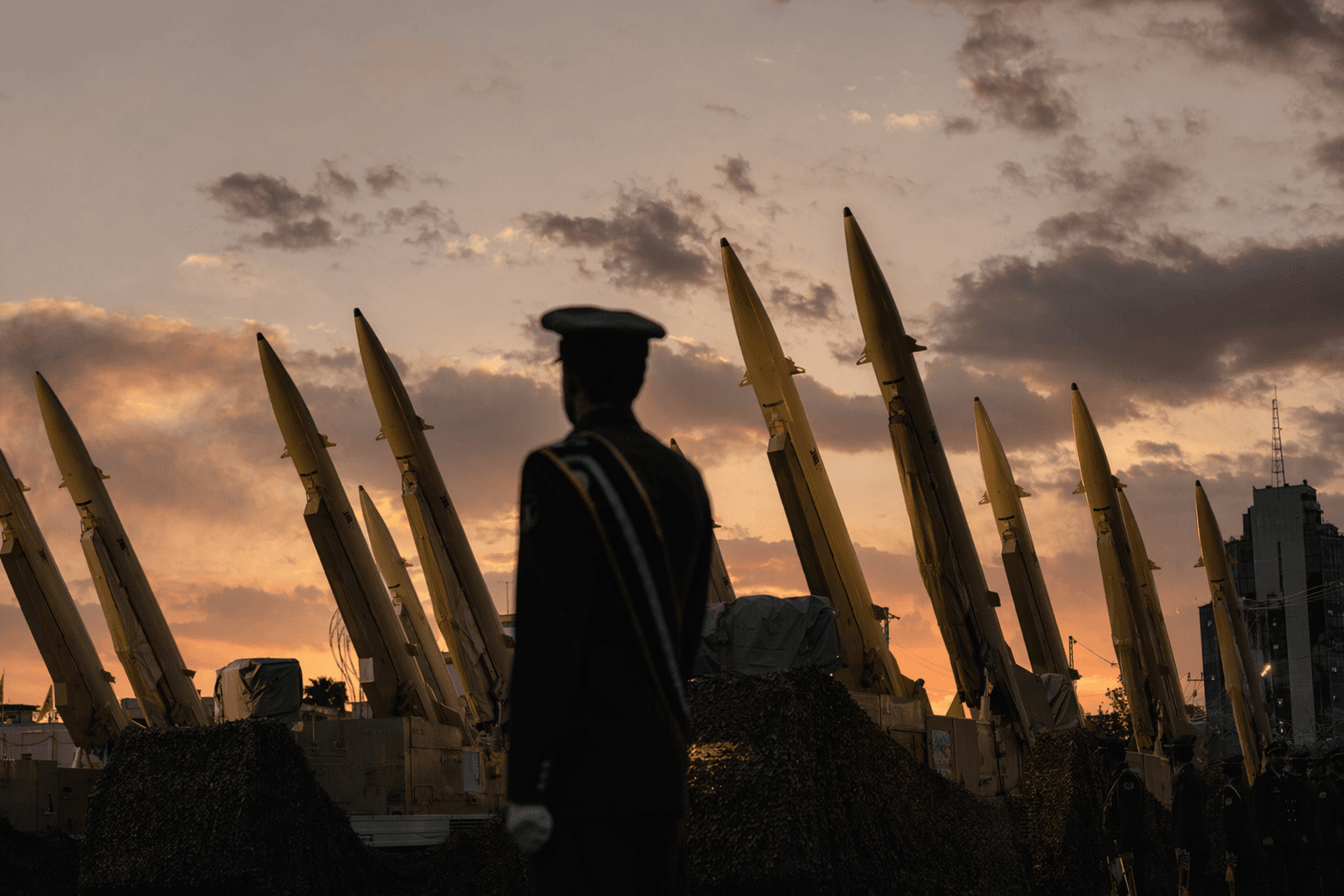
The operational danger is clearest in the waterways and bases already under strain. Iran’s Revolutionary Guard navy warned on May 9 that any attack on Iranian oil tankers or commercial vessels would be met with a “heavy assault” on a U.S. base in the region or on enemy ships. That puts the Strait of Hormuz back at the center of the crisis, since even limited violence there could disrupt global shipping and energy flows.
Iranian officials have also said there would be “many more surprises” if fighting resumes. Taken together with the Guard’s new warning, that language suggests Tehran wants to preserve ambiguity about timing and geography, signaling that retaliation would not be confined to the immediate front line. In practical terms, the most credible spillover appears to be maritime pressure, missile or drone threats against regional bases, and other forms of escalation that could hit U.S. and Israeli interests without a formal declaration of wider war.
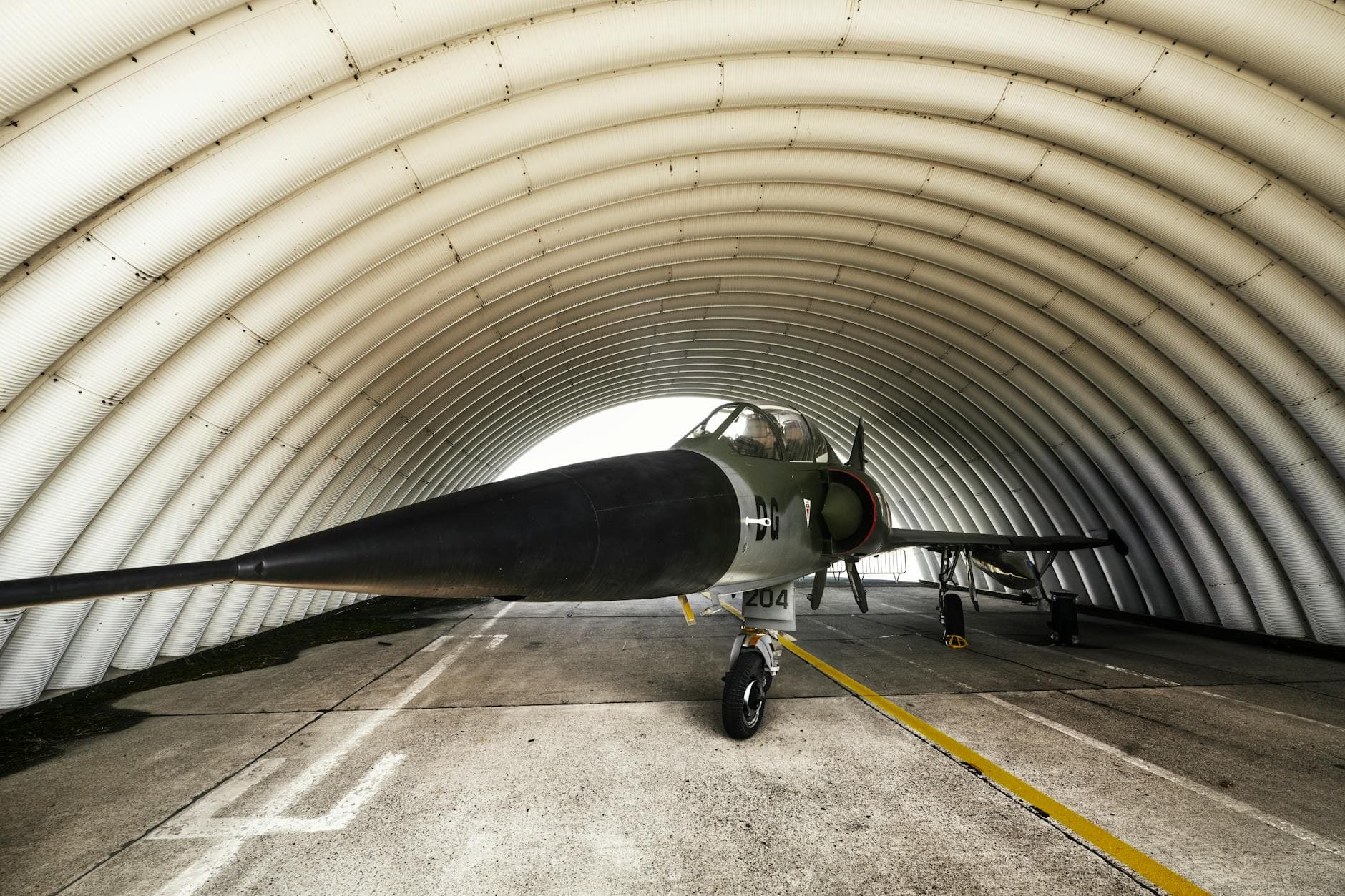
The ceasefire talks remain shaky. Iran has been using Pakistan as a mediator in talks with the United States, and JD Vance said the two sides had not reached an agreement after discussions in Islamabad. Reuters reporting has described the truce as fragile, with negotiations to end the war largely stalled.
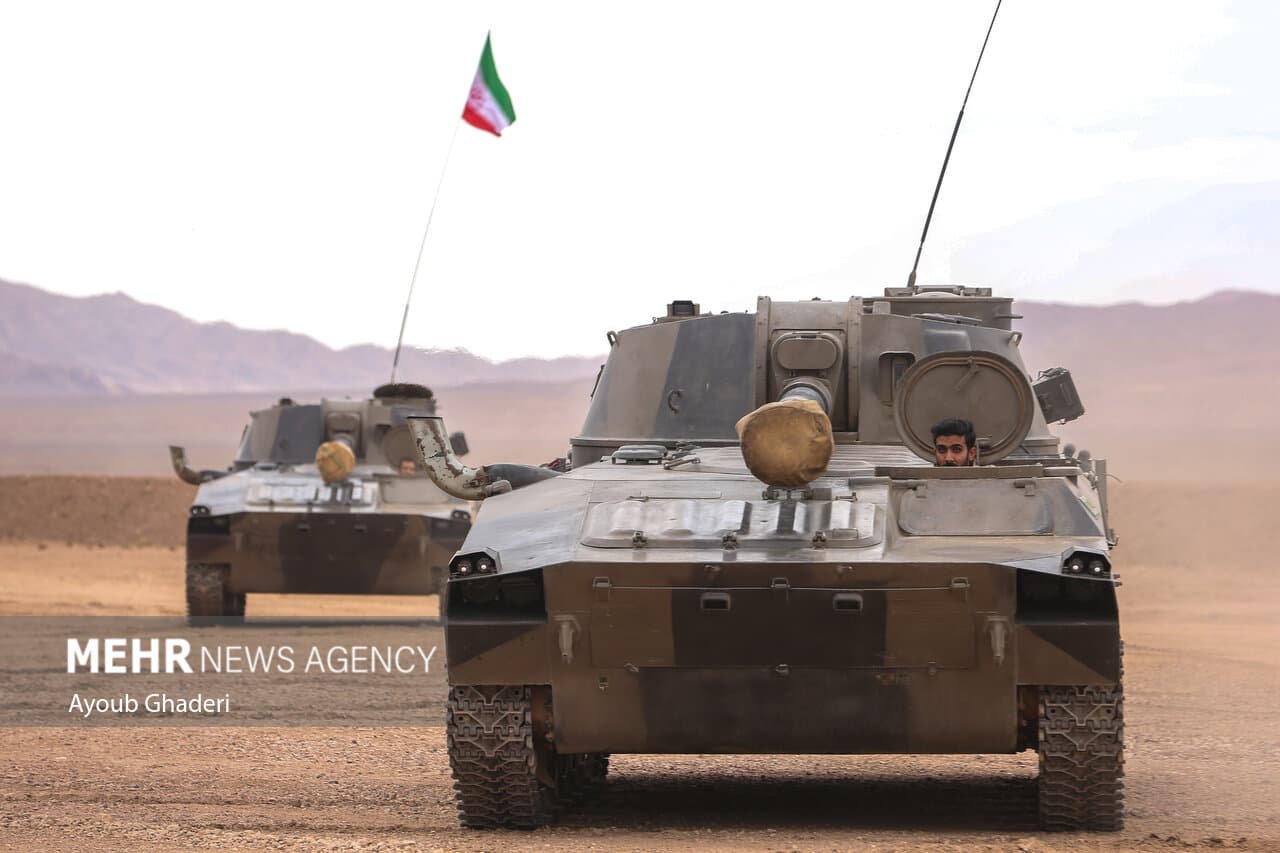
The political picture in Washington has grown more complicated as the military threat lingers. On Monday, the United States Senate advanced a war-powers resolution aimed at limiting Trump’s authority to continue military action against Iran. Gulf states are watching the same fault lines, aware that any renewed strike on tankers, commercial ships or regional bases could quickly pull the Strait of Hormuz and the broader Gulf into the next phase of the conflict.
Know something we missed? Have a correction or additional information?
Submit a Tip