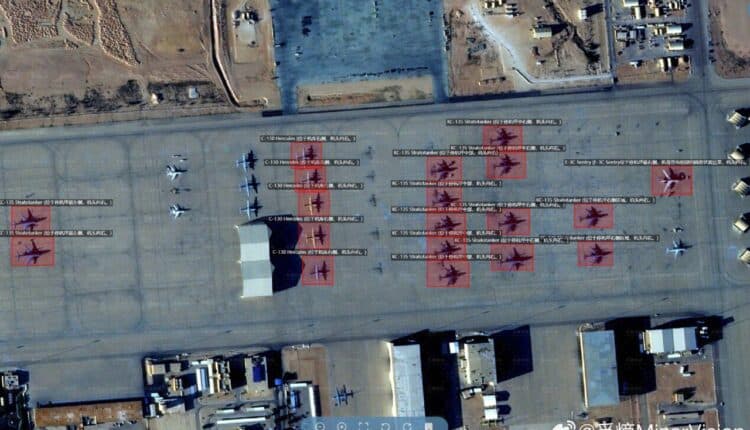
Iran Warns U.S. Ground Invasion Would End in Disaster as War Continues
Iran's parliament speaker threatened to 'set on fire' U.S. troops as 2,500 Marines arrived in the region and Houthi rebels joined the fight.
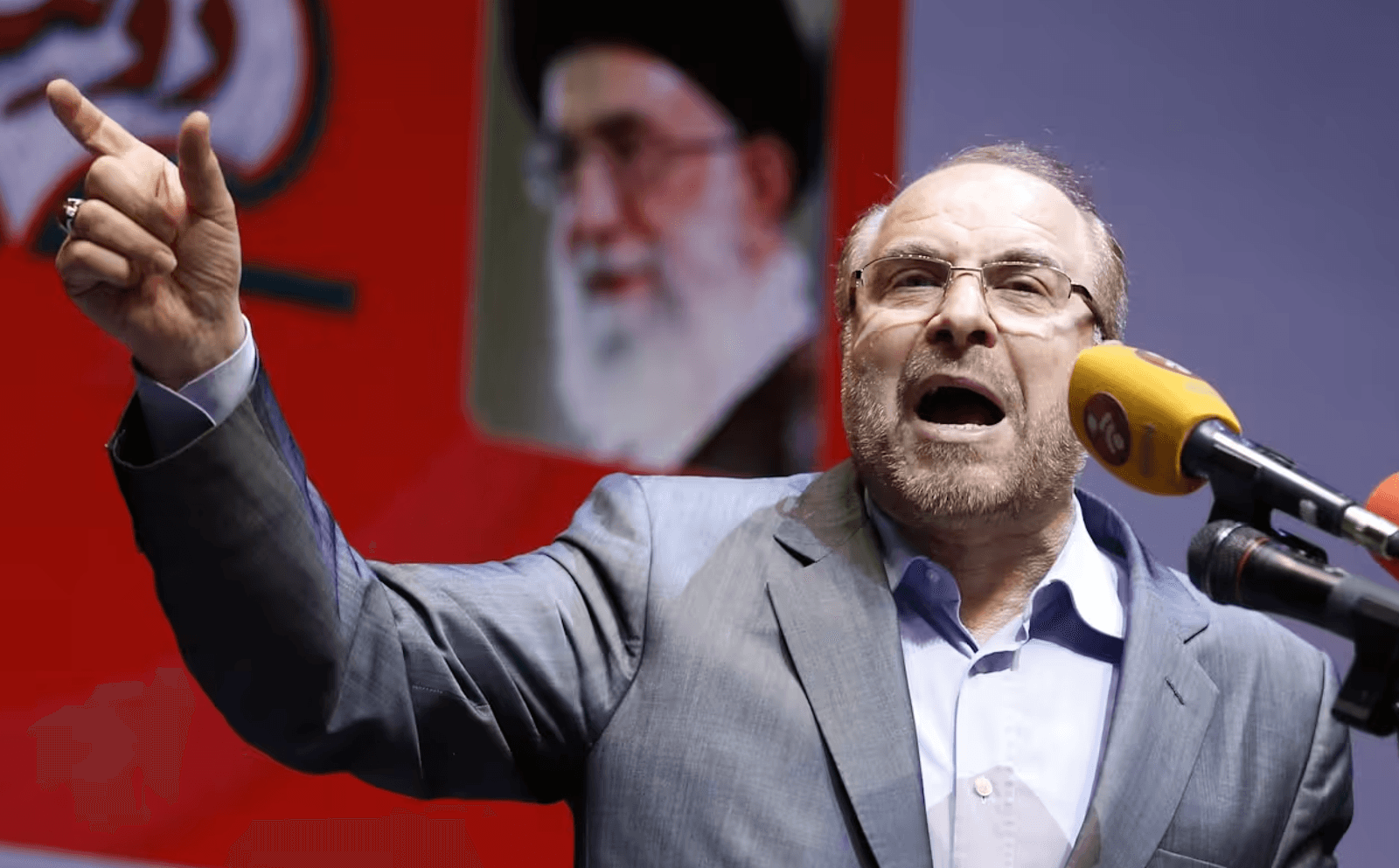
Iranian forces "are waiting for the arrival of American troops on the ground to set them on fire and punish their regional partners forever," Iran's parliament speaker Mohammad Bagher Qalibaf declared Sunday, as about 2,500 U.S. Marines completed their deployment to the region and foreign ministers from three Arab nations flew to Islamabad in a push to prevent the war from spreading further.
Qalibaf's threat was direct and without diplomatic hedge. "Our firing continues. Our missiles are in place. Our determination and faith have increased," he added, framing any American ground intervention not as a deterrent but as an invitation to escalate.
Iran's Foreign Minister Abbas Araghchi carried the same message to an international audience in an interview with NBC News from Tehran, warning that a U.S. ground offensive would end in "a big disaster for them." Araghchi said Tehran was prepared for such a scenario and that Iran is not afraid of an American ground offensive. He was equally blunt on diplomacy: Iran had not sought a ceasefire despite continuing airstrikes and saw no reason to negotiate with Washington.
The two officials represent distinct pressure points within Tehran's signaling strategy. Qalibaf, as parliament speaker, speaks to domestic hardliners and projects an institution willing to escalate beyond the executive branch's public posture. Araghchi, as foreign minister, delivered the identical threat on international television, making clear that Iran's red line on ground troops is not state-media posturing but a message being transmitted directly to Washington.
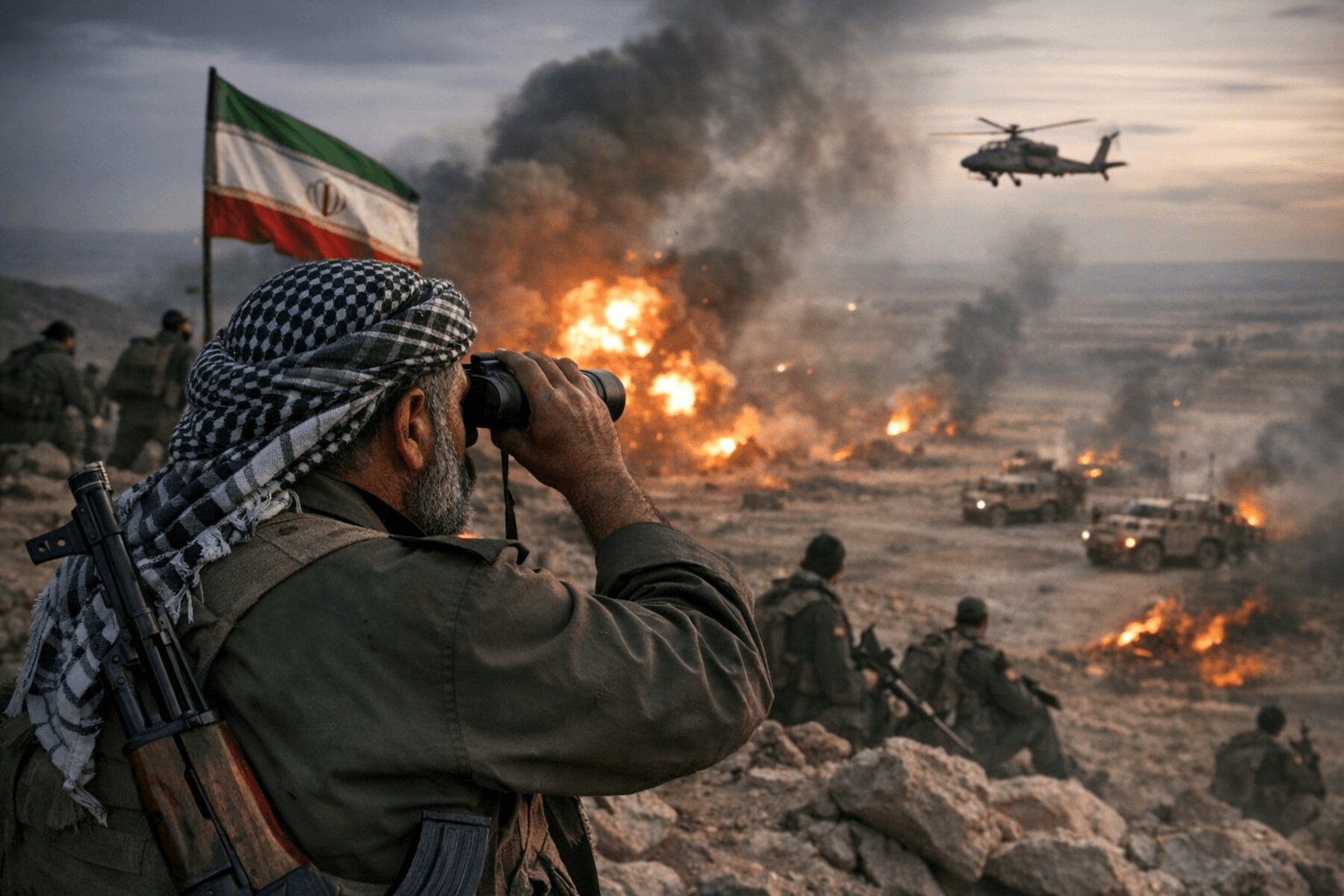
Those warnings landed as the conflict entered a new phase. Iranian-backed Houthi rebels entered the monthlong war, triggered by U.S. and Israeli strikes, broadening the theater beyond Iran's borders. Tehran signaled it was not caught off guard: state media quoted Iranian military officials saying they "have long known that this was a possibility, and they have been preparing for it." PBS NewsHour correspondent Reza Sayah reported on March 26 that Iran was projecting growing confidence, believing it had absorbed U.S. and Israeli blows and was "in the driver's seat."
The restraining forces convened simultaneously in Islamabad. Foreign ministers from Saudi Arabia, Turkey and Egypt gathered in the Pakistani capital to push for an end to the fighting in the Middle East. Their meeting coincided with the moment when the escalation calculus became hardest to ignore: 2,500 Marines in theater, active Houthi participation, and two of Iran's most senior officials on record threatening to confront any American ground force.
Whether the Islamabad talks can find traction before Iran's stated red line and Washington's military posture collide remains the central uncertainty of a war that, by Tehran's own telling, neither side is ready to end.
Know something we missed? Have a correction or additional information?
Submit a Tip