Iran warns U.S. over Strait of Hormuz as shipping crisis deepens
Iran threatened U.S. forces at the Strait of Hormuz as Washington launched a ship-guidance mission that could jolt oil markets and raise the risk to American personnel.
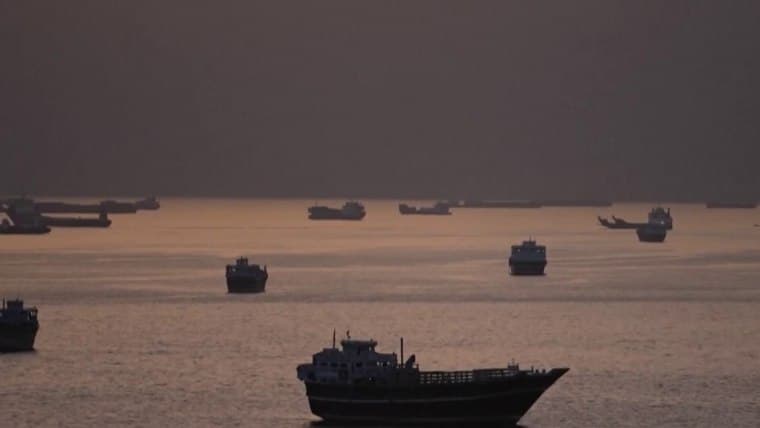
Any military standoff in the Strait of Hormuz would send shocks far beyond the Gulf, threatening oil prices, shipping insurance and the safety of U.S. forces in one of the world’s most exposed maritime corridors. Iran’s military warned on Monday that American forces would be attacked if they entered the strait, while also telling commercial ships and oil tankers not to move unless they coordinated with Iranian forces.
The warning came after President Donald Trump said on Sunday that the United States would begin helping stranded ships “free” of the Gulf starting Monday morning. Trump described the effort as a humanitarian gesture, saying it would help neutral vessels and ships from countries not involved in the conflict. Iran quickly cast the move as a violation of the ceasefire tied to the wider U.S.-Israeli war on Iran.
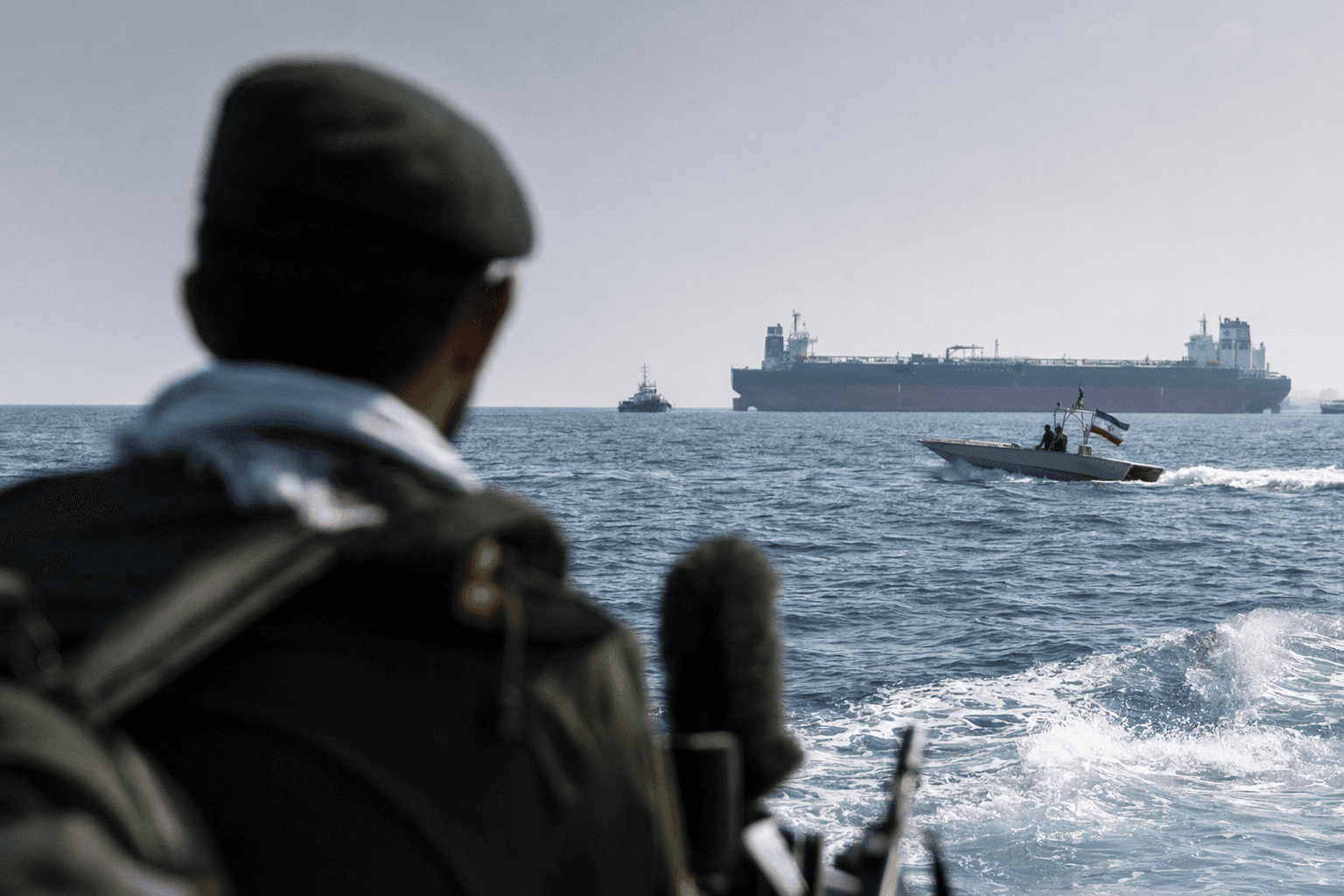
What Washington launched is not a full-scale blockade operation or a combat intervention, but a ship-guidance mission meant to escort or direct vessels through a waterway now under intense strain. Reuters and other reports said U.S. Central Command would support the effort with 15,000 U.S. military personnel, more than 100 land- and sea-based aircraft, warships and drones. A U.S.-led task force said it had already begun the operation, but Trump gave few details about the mechanics of how ships would be guided through the passage.
The stakes are unusually high because the Strait of Hormuz is only about 21 nautical miles wide at its narrowest point and normally runs with two shipping lanes, each about two nautical miles wide, separated by a buffer zone. It is the only sea route from the Persian Gulf to the Gulf of Oman and the Arabian Sea, and more than 20% of global oil and liquefied natural gas exports pass through it. The International Energy Agency says it is the primary export route for oil from Saudi Arabia, the United Arab Emirates, Kuwait, Qatar, Iraq, Bahrain and Iran.
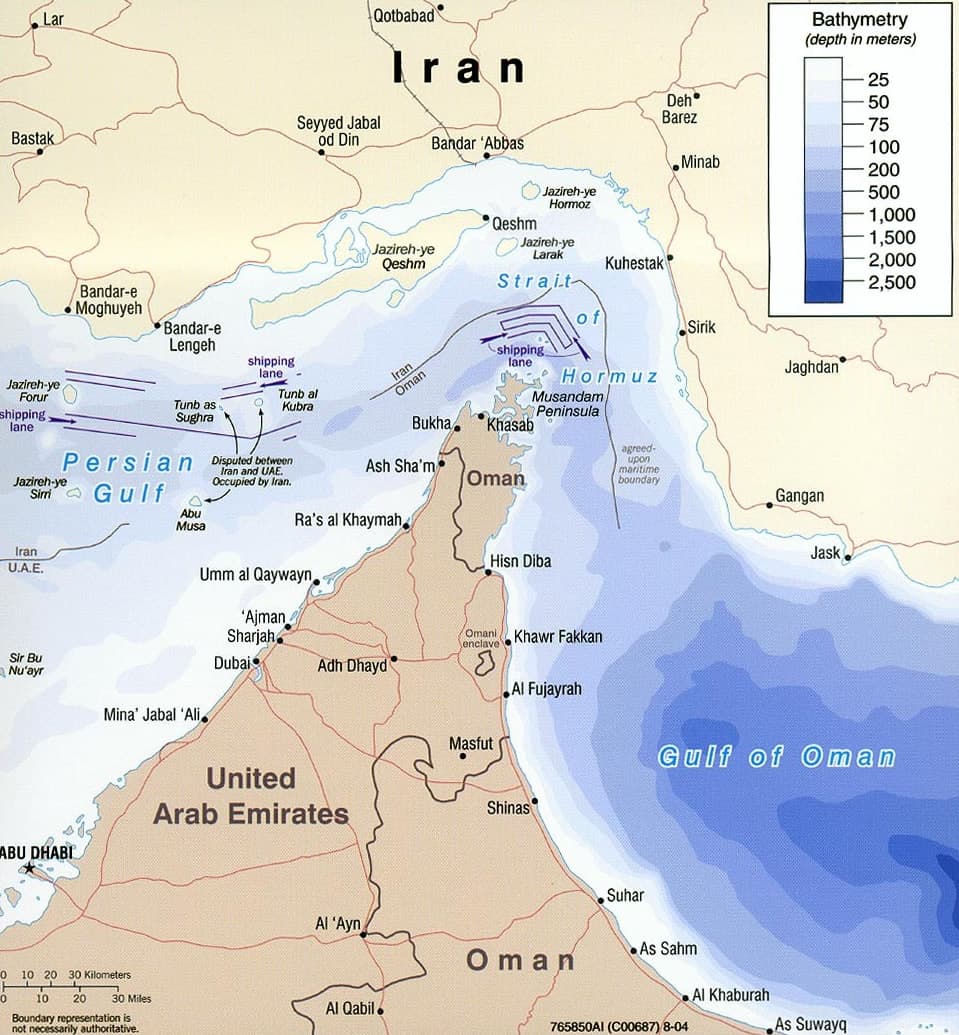
The disruption has already left hundreds of ships and about 20,000 seafarers unable to transit the waterway, according to reporting cited by AP and the International Maritime Organization. Around the same time Trump announced the U.S. effort, two ships near the strait reported attacks, underscoring how quickly a warning can become an operational crisis. The real escalation trigger would be Iranian fire on U.S. vessels or aircraft, or a move by foreign forces to enter the strait in defiance of Tehran’s warning.
This article was produced by Prism’s automated news system from verified source data, official records, and press releases, then run through automated quality and moderation checks before publishing. The system is built and supervised by the people who set the standards it runs under. Read our full AI policy.
Did this article answer your question?