Ukraine Strikes Russian Baltic Oil Hub, Damages Primorsk Loading Infrastructure
Ukraine hit Primorsk’s oil-loading infrastructure and several vessels in one of Russia’s biggest Baltic export hubs, escalating pressure on Moscow’s energy network.
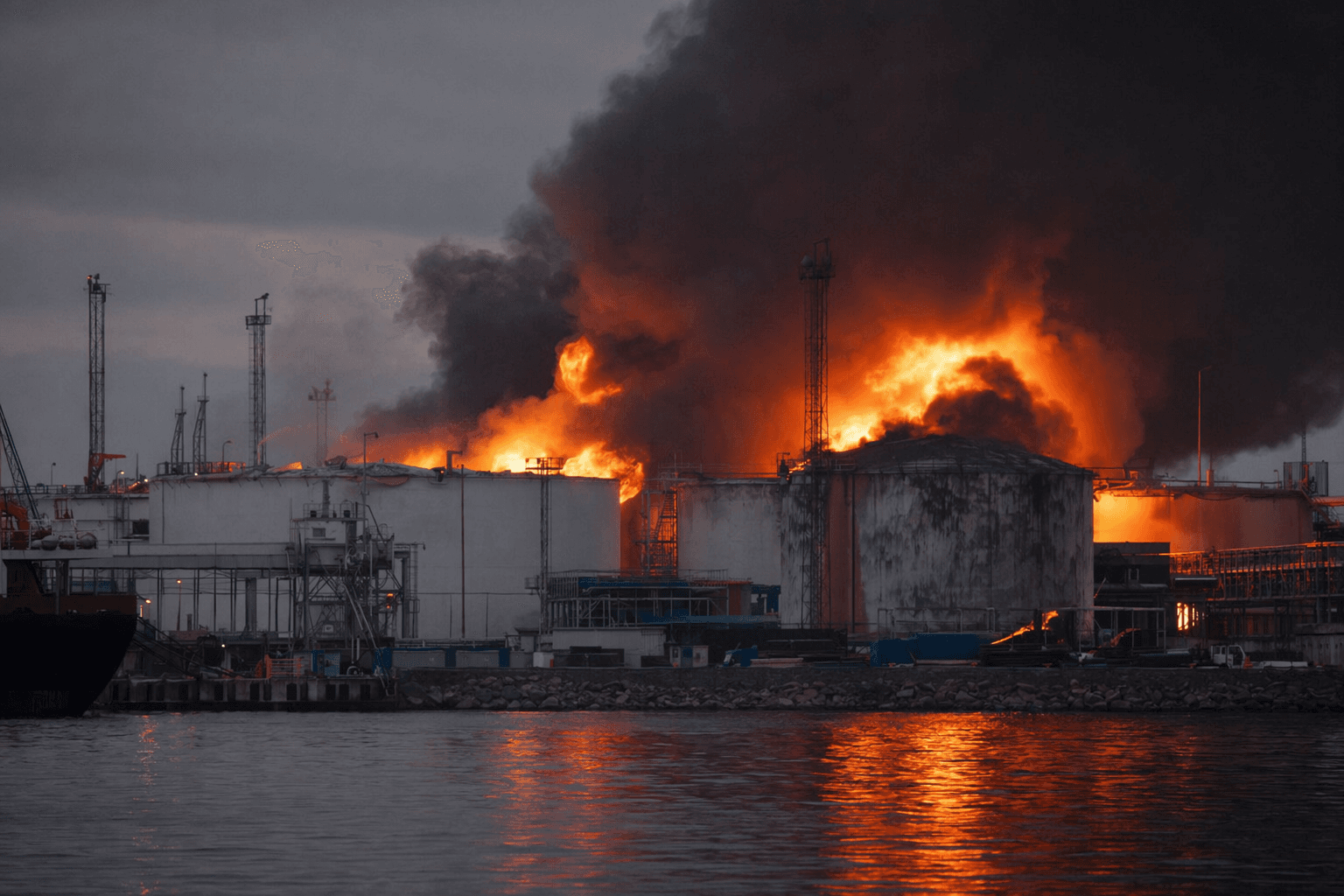
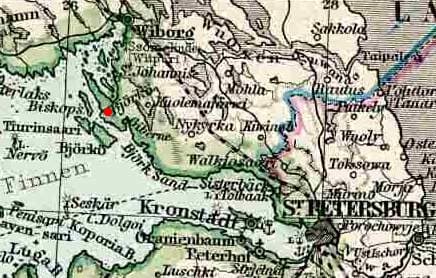
Ukraine’s latest long-range strike pushed the war deeper into Russia’s export economy, with damage reported at Primorsk, one of the country’s largest Baltic Sea oil gateways. Volodymyr Zelensky said Ukrainian forces struck a Karakurt-class small missile ship, a patrol boat and a shadow fleet oil tanker near the port in Leningrad Oblast, and that the attack significantly damaged the oil loading infrastructure.
The strike landed during a broader wave of drone attacks across Russia on Sunday, May 3, and reporting said Primorsk was hit and set on fire. Bloomberg said the tanker, patrol boat and missile ship were among the vessels damaged, underscoring that Ukraine’s target set is no longer limited to static energy sites but now reaches ships tied to Russia’s maritime fuel trade. That matters because Primorsk is not just another port, it is a major Baltic export node that helps move Russian crude onto global markets.
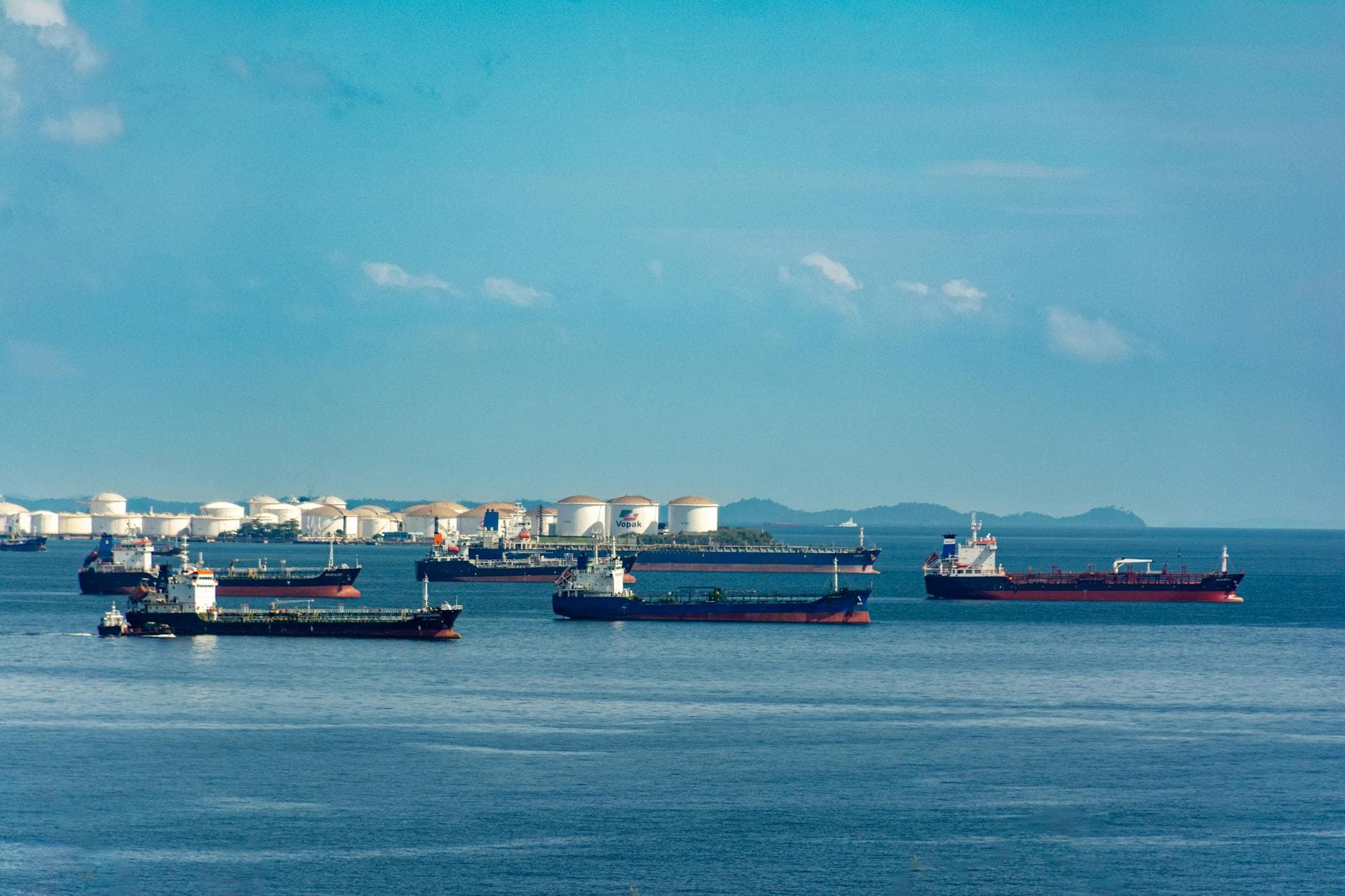
The attack fits a pattern that has been building for weeks. The Institute for the Study of War said on April 5 that Ukrainian forces had intensified strikes on Russian Baltic Sea port and oil infrastructure in Leningrad Oblast critical to Russian exports, and on April 26 it said the campaign continued to exploit overstretched Russian air defenses. In other words, the tactical damage at Primorsk is part of a larger effort to increase the cost of operating Russia’s oil network, from repairs and security to shipping delays and heightened risk for vessels linked to the shadow fleet.
The strategic effect is harder to measure than the flames at the port. Ukraine has shown it can reach deep into Russian energy logistics and military assets, but whether that translates into a meaningful shift in the balance of the war will depend on how often these sites can be hit, how quickly Russia can absorb the losses and whether insurers, shippers and buyers begin to price in more risk. The repeated strikes on Tuapse point to that broader pressure campaign. Reuters reported on May 1 that the refinery there had been hit for the fourth time in 16 days, with toxic black smoke clouds and oil leaking into the sea, a reminder that the costs are now ecological as well as military.
Zelensky also met with Keir Starmer on May 3 and discussed countering Russia’s shadow fleet and defense support for Ukraine, linking the port strikes to a wider diplomatic and economic strategy. The message from Kyiv is increasingly clear: if Russia’s front lines remain hard to break, its fuel routes, port infrastructure and maritime trade may become the next battlefield.
This article was produced by Prism’s automated news system from verified source data, official records, and press releases, then run through automated quality and moderation checks before publishing. The system is built and supervised by the people who set the standards it runs under. Read our full AI policy.
Did this article answer your question?