Pakistan mediates return of 22 Iranian sailors from seized ship
Pakistan flew 22 Iranian sailors home from a seized cargo ship, a handoff described as a confidence-building step between Washington and Tehran.
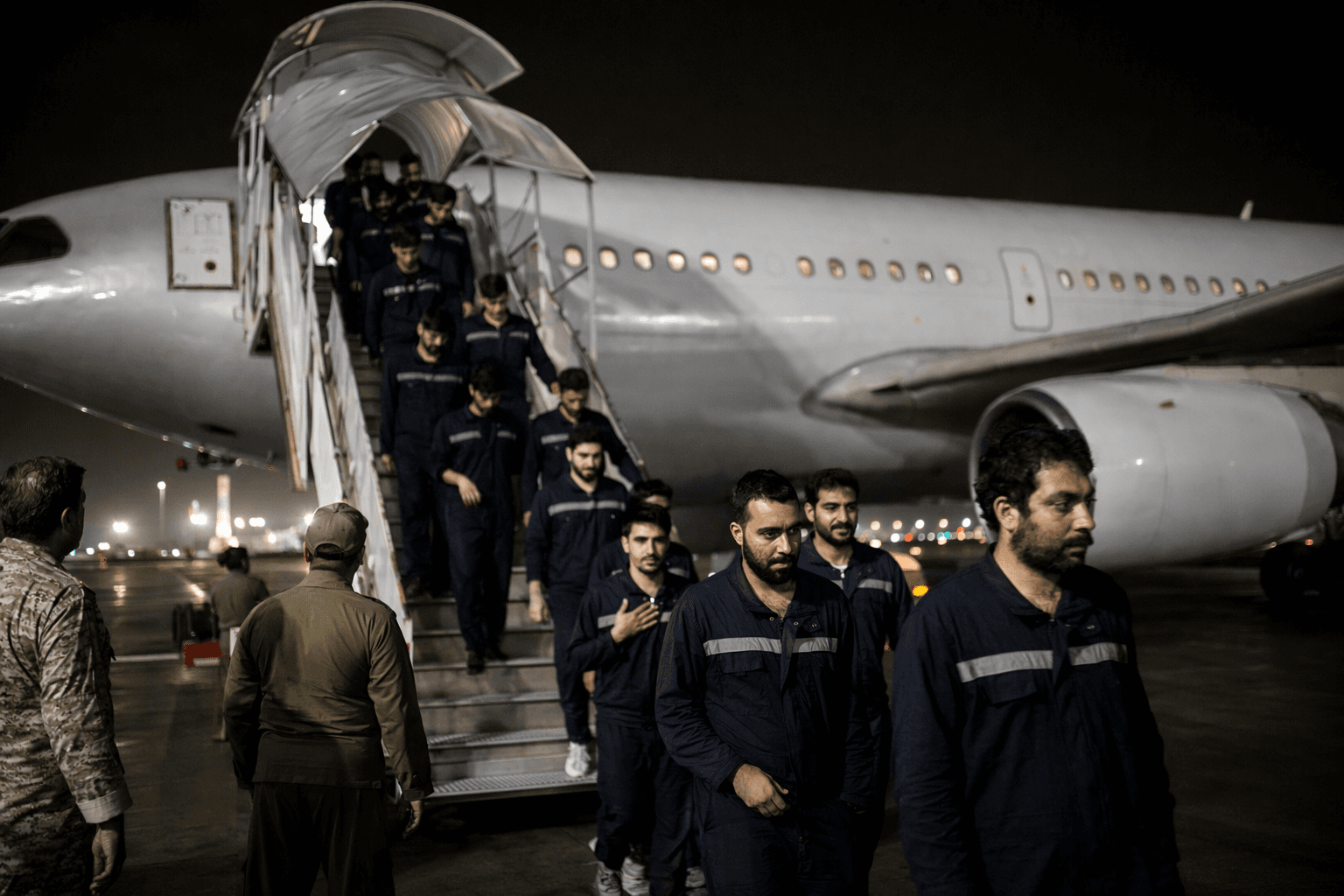
Pakistan moved quietly into the middle of another U.S.-Iran maritime standoff, facilitating the return of 22 Iranian crew members from the seized container ship MV Touska and describing the handoff as a “confidence-building measure.”
The men were flown to Pakistan overnight and were to be handed over to Iranian authorities the same day, Pakistani officials said. The transfer placed Islamabad once again in the role of intermediary between Washington and Tehran, a function that could matter far beyond this single ship if tensions in the Gulf deepen.
U.S. Central Command said the USS Spruance intercepted Touska in the north Arabian Sea on April 19 while the vessel was traveling at 17 knots and heading toward Bandar Abbas, Iran. CENTCOM said American forces issued multiple warnings over a six-hour period, then disabled the ship’s propulsion after the crew failed to comply. Marines from USS Tripoli boarded the vessel, and U.S. forces later secured it.
The episode began with a show of force, but it is ending with a diplomatic handoff. Pakistan said the crew transfer was coordinated with the United States and Iran, underscoring how Islamabad can serve as a low-profile channel when direct contact between adversaries is politically fraught. That role may look symbolic in a single case, but in a region where maritime incidents can spill into wider conflict, even symbolic steps can shape the temperature of a crisis.
Reuters-based reports said six other passengers had been transferred earlier to an unspecified regional country. Reports also said the vessel was expected to be moved into Pakistani territorial waters and returned to its owners after repairs, leaving the ship itself as a lingering piece of the dispute even as its crew headed home.
The seizure and transfer come amid broader U.S.-Iran maritime tensions and a wider pressure campaign against Iran’s shipping and petroleum networks. The State Department has recently sanctioned multiple entities, individuals and vessels tied to the illicit trade in Iranian petroleum, petroleum products and petrochemical products, tightening the financial and logistical squeeze around Tehran’s maritime commerce.
For Pakistan, the episode fits a familiar pattern: not a public broker of grand bargains, but a practical conduit when adversaries need a face-saving way to step back. In a Gulf already shaped by sanctions, interdictions and military patrols, that quiet intermediary role can be as consequential as any formal negotiation.
This article was produced by Prism’s automated news system from verified source data, official records, and press releases, then run through automated quality and moderation checks before publishing. The system is built and supervised by the people who set the standards it runs under. Read our full AI policy.
Did this article answer your question?