Iranian foreign minister heads to Oman for Strait of Hormuz talks
Abbas Araghchi arrived in Muscat as attacks near Hormuz drove shipping warnings to severe and pushed oil prices higher.

Abbas Araghchi landed in Muscat on Saturday for talks with Omani officials over mechanisms to keep ships moving safely through the Strait of Hormuz. The trip came after attacks on a Qatar LNG tanker and a Saudi crude tanker near the waterway on July 7, a flare-up that pushed maritime authorities to raise the threat level to “severe” and sent oil prices higher.
At its narrowest point, the Strait of Hormuz is only about 30 kilometers, or 18 miles, wide, yet before the war it carried about one-fifth of the world’s oil and gas supplies. Recent traffic through the strait has remained far below normal, running at roughly one-third to one-fifth of pre-war levels, a disruption that ripples through global trade, shipping insurance, fuel costs and the inflation pressure felt by U.S. consumers.
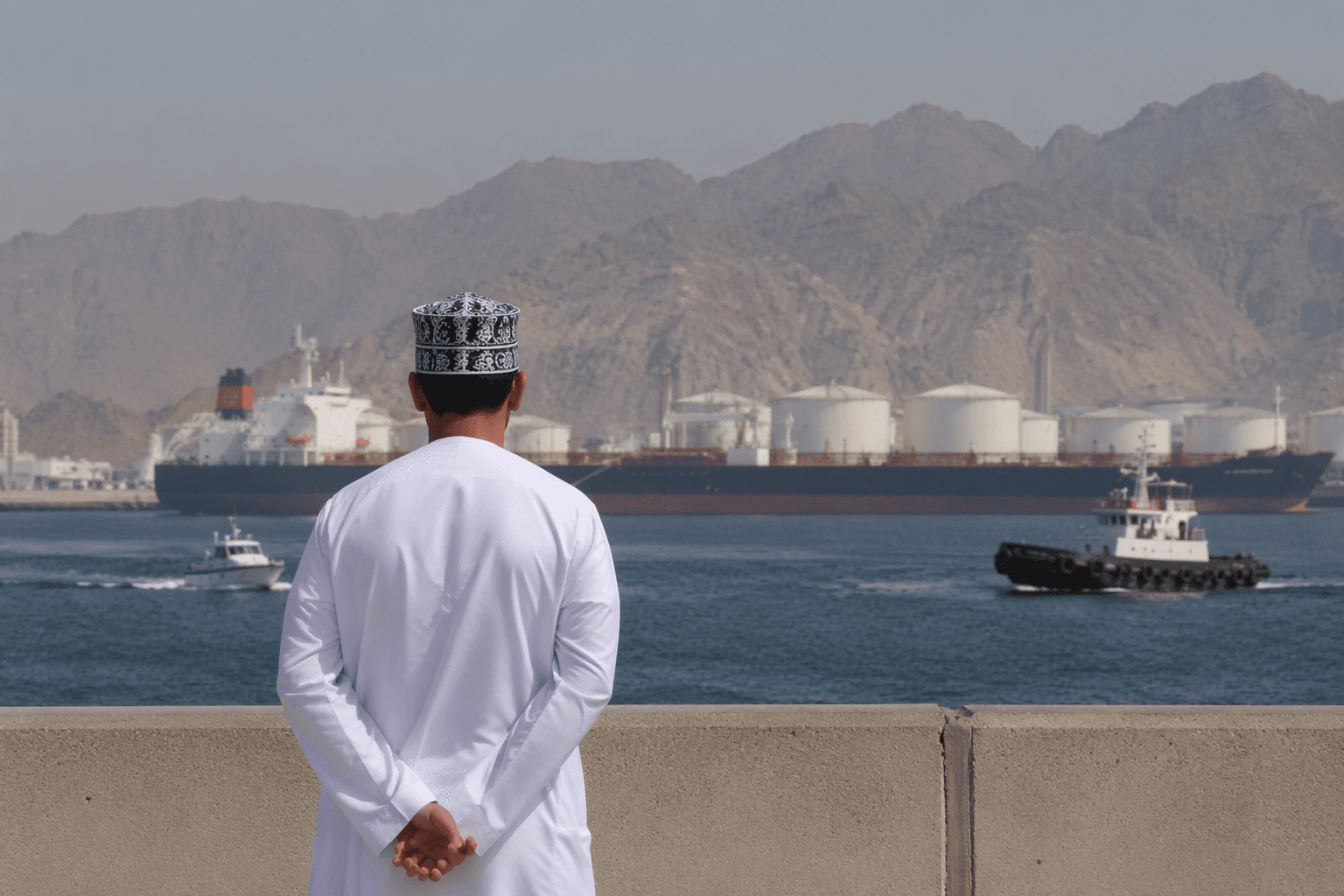
On June 23, Oman and Iran issued a joint statement pledging to keep the strait secure and open for international navigation and to continue discussions through a joint working group on navigation administration, services and costs. Iran and Oman held the first meeting of their Joint Hormuz Committee in late June. Iranian officials have also raised the idea of “services fees” for passage through the strait, a proposal Washington opposes on the grounds that the waterway is international.
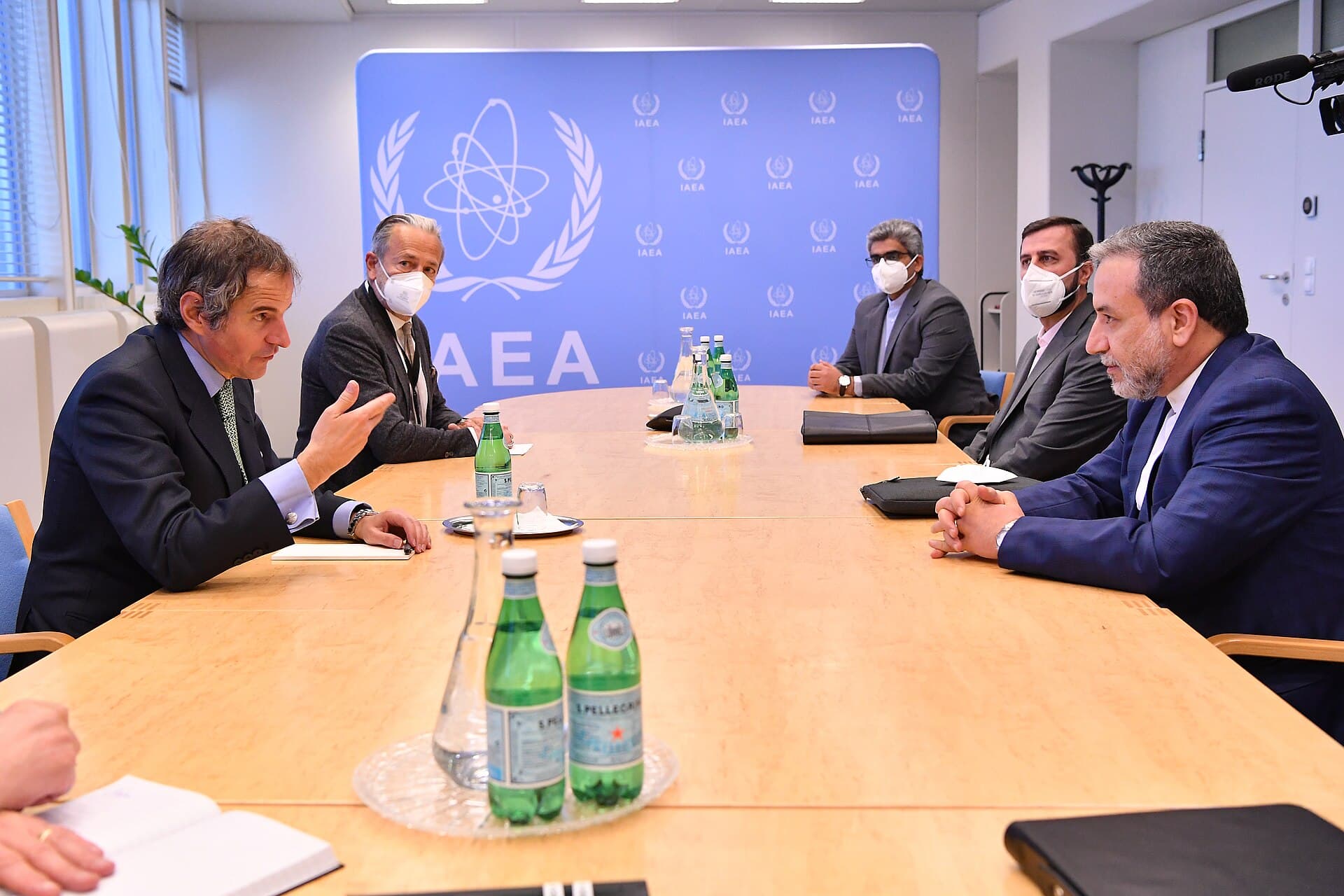
Qatari negotiators were in Tehran on Friday, and U.S. and Iranian delegations were both in Oman on Saturday to continue talks through intermediaries. The broader dispute is tied to the U.S.-Iran memorandum of understanding that ended the recent war; Araghchi said Iran “kept its word” under the deal, while Tehran accuses Washington of violating it. After the Hormuz attacks, the U.S. revoked a license it had granted Iran to sell oil and warned that the strikes were “wholly unacceptable.”
This article was produced by Prism’s automated news system from verified source data, official records, and press releases, then run through automated quality and moderation checks before publishing. The system is built and supervised by the people who set the standards it runs under. Read our full AI policy.
Did this article answer your question?