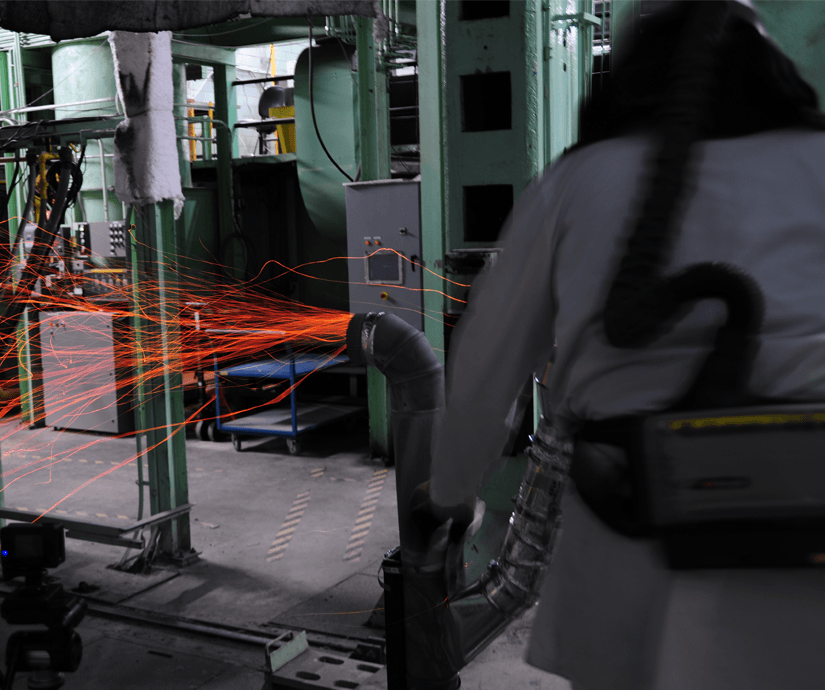
Israel strikes Iran steel plants, hitting key industrial exports
Israel's strikes on Khuzestan and Mobarakeh steel plants hit two of Iran's biggest industrial exporters, raising a sharp question: dual-use target or civilian economy?
Israeli strikes on two of Iran’s largest steel plants hit far more than factory floors. The attacks damaged Khuzestan Steel near Ahvaz and Mobarakeh Steel in Isfahan, and reporting said storage and power infrastructure at both sites were also hit, widening the fallout beyond the production lines themselves.
The strikes landed in plants that sit near the center of Iran’s industrial economy. Iran’s annual crude steel output was estimated at about 31.8 million tons in 2025, and Mobarakeh Steel had about 8.5 million metric tons a year of crude steel capacity, compared with roughly 3.6 million metric tons at Khuzestan Steel. Together, they helped anchor a sector that remains one of Iran’s largest non-oil export earners.
Israel said the campaign was aimed at more than nuclear and missile infrastructure. Israeli officials framed the strikes as part of a broader effort against sectors tied to Iran’s military and economic infrastructure, arguing that the steel industry provided revenue and the means to make weapons. Some reporting said Iran’s steel sector generates billions of dollars for the country, underscoring why the plants were treated as strategically important.
That justification collides with the civilian costs. Iranian officials said the plants’ output is essential for construction and road building, making the attacks a blow not just to factory owners but to postwar recovery, transport projects, and the supply of basic building materials. When a steel mill also feeds civilian infrastructure, the legal question under the laws of war becomes whether its military relevance is concrete enough to override its protected civilian role.
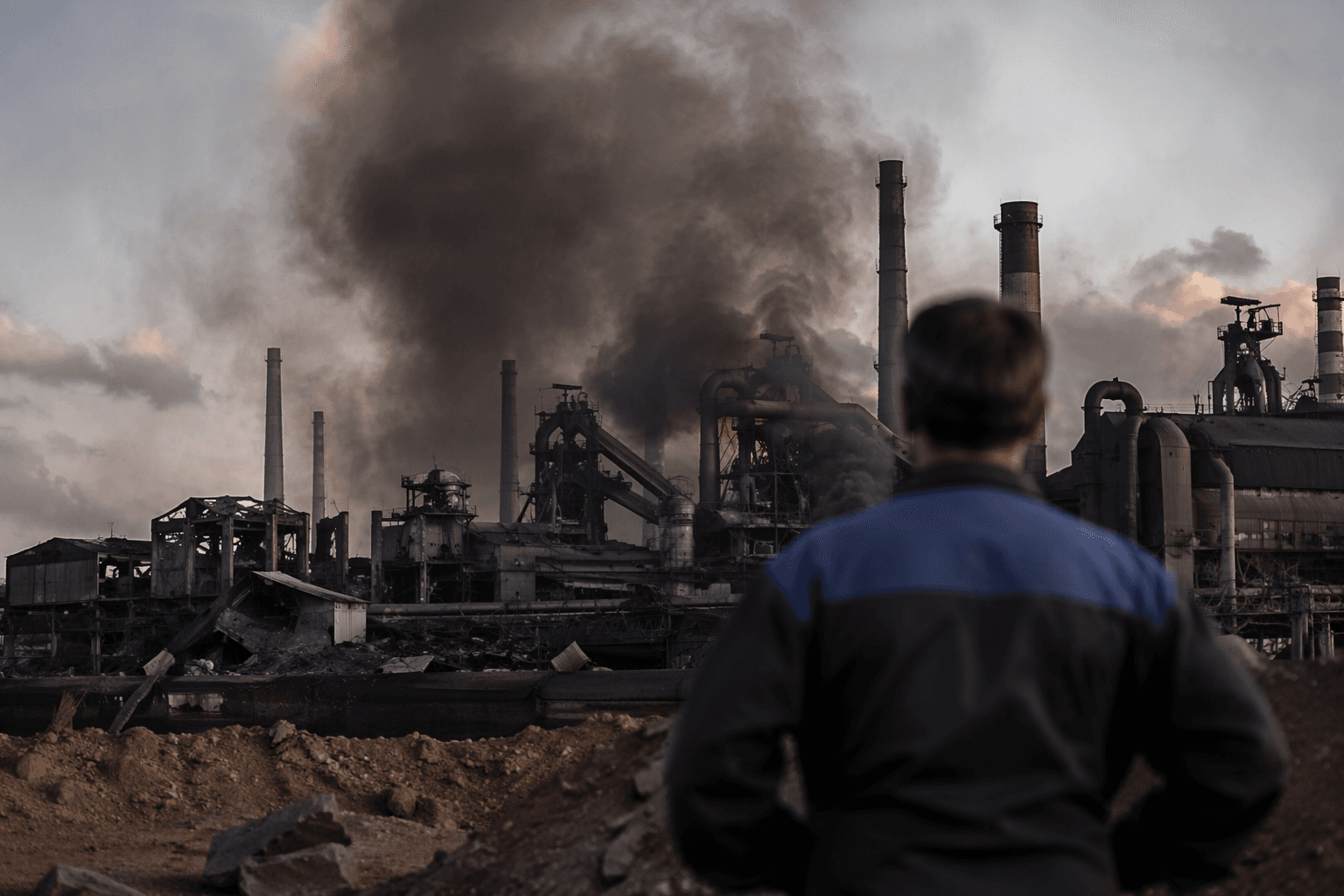
The United Nations Office of the High Commissioner for Human Rights publicly condemned the Israeli attacks on Iran on June 20, 2025, saying the strikes targeted nuclear facilities, energy and military infrastructure, as well as residential and media buildings across multiple locations. That criticism put the steel plant strikes in a wider pattern of attacks that raised alarms far beyond the industrial sector.
For Iran, the damage reaches a core part of the economy. For Israel, the steel plants were cast as part of a wartime network that sustains military capacity. The dispute now turns on whether industrial infrastructure can be treated as a legitimate target when it also sits at the heart of civilian employment, export income, and the country’s rebuilding needs.
This article was produced by Prism’s automated news system from verified source data, official records, and press releases, then run through automated quality and moderation checks before publishing. The system is built and supervised by the people who set the standards it runs under. Read our full AI policy.
Did this article answer your question?