Iranian strikes cripple Qatar LNG hub, threatening years of export delays
Strikes on Ras Laffan cut 17% of Qatar’s LNG capacity, and engineers say the repairs could take three to five years, tightening gas markets far beyond the Gulf.
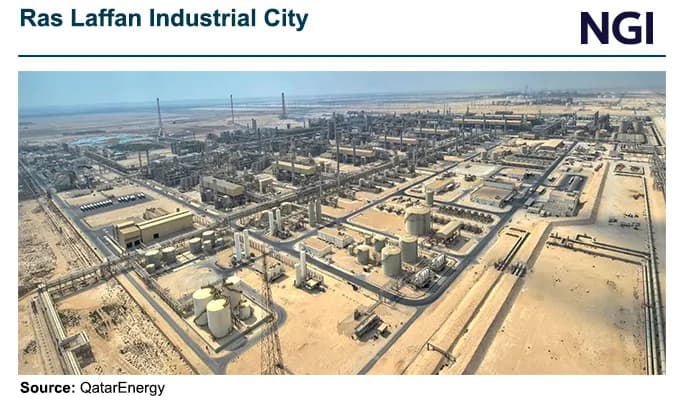
Damage to Qatar’s Ras Laffan hub has done more than interrupt one exporter’s output. It has hit a critical node in the global gas system, knocking out 17% of Qatar’s LNG capacity and threatening to sideline 12.8 million tons a year for as long as three to five years, a disruption that could keep Europe and Asia under pressure and remove about $20 billion in annual revenue from the market.
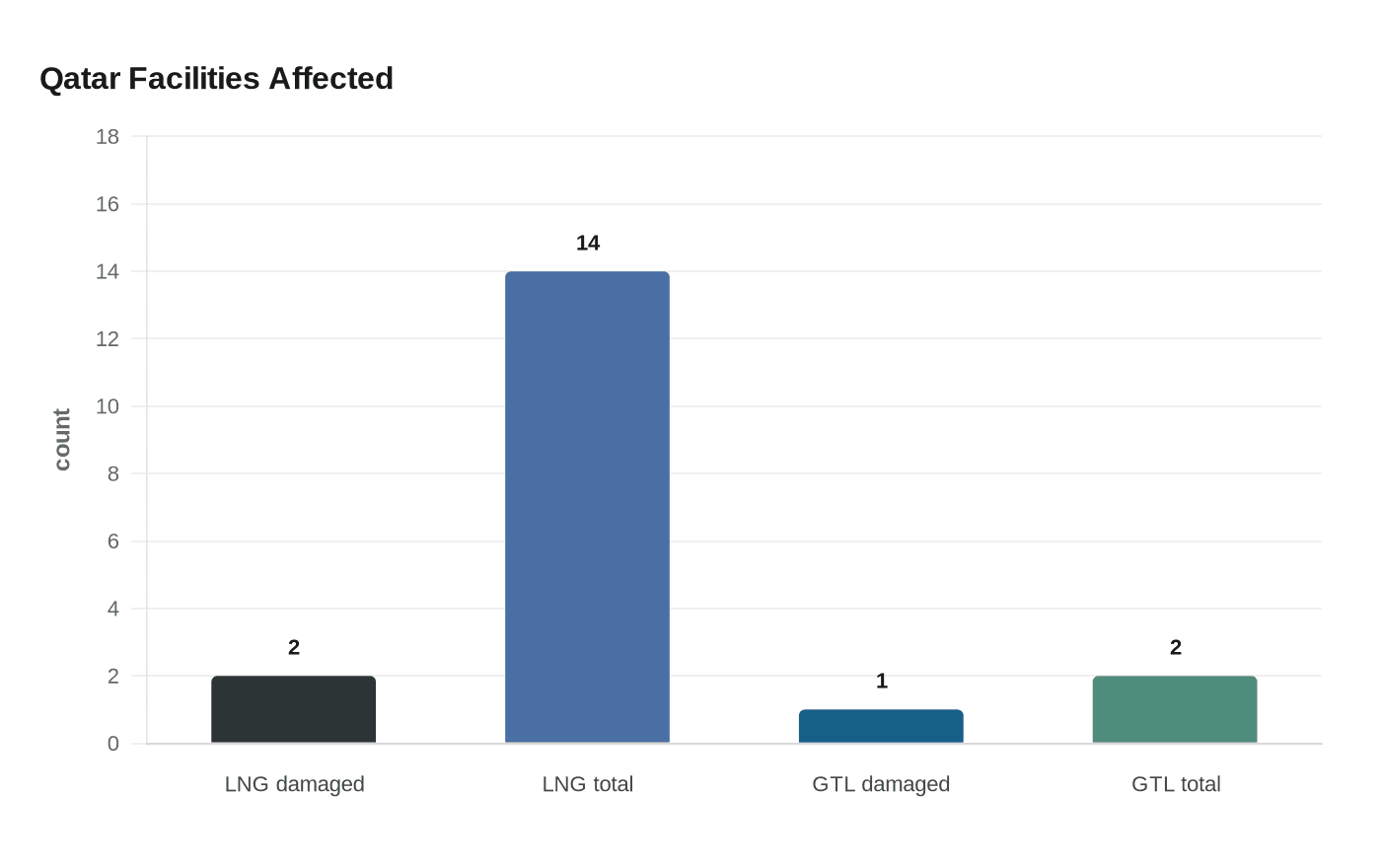
QatarEnergy chief executive Saad al-Kaabi said the strikes damaged two of Qatar’s 14 LNG trains and one of its two gas-to-liquids facilities. That scale of damage matters because LNG plants are not quickly patched back together; they rely on specialized cryogenic equipment, compressors, power systems and tightly integrated piping that cannot simply be replaced with off-the-shelf parts. QatarEnergy said hostilities would have to cease before production could restart, and it had already declared force majeure on some long-term LNG contracts after earlier attacks on Ras Laffan.
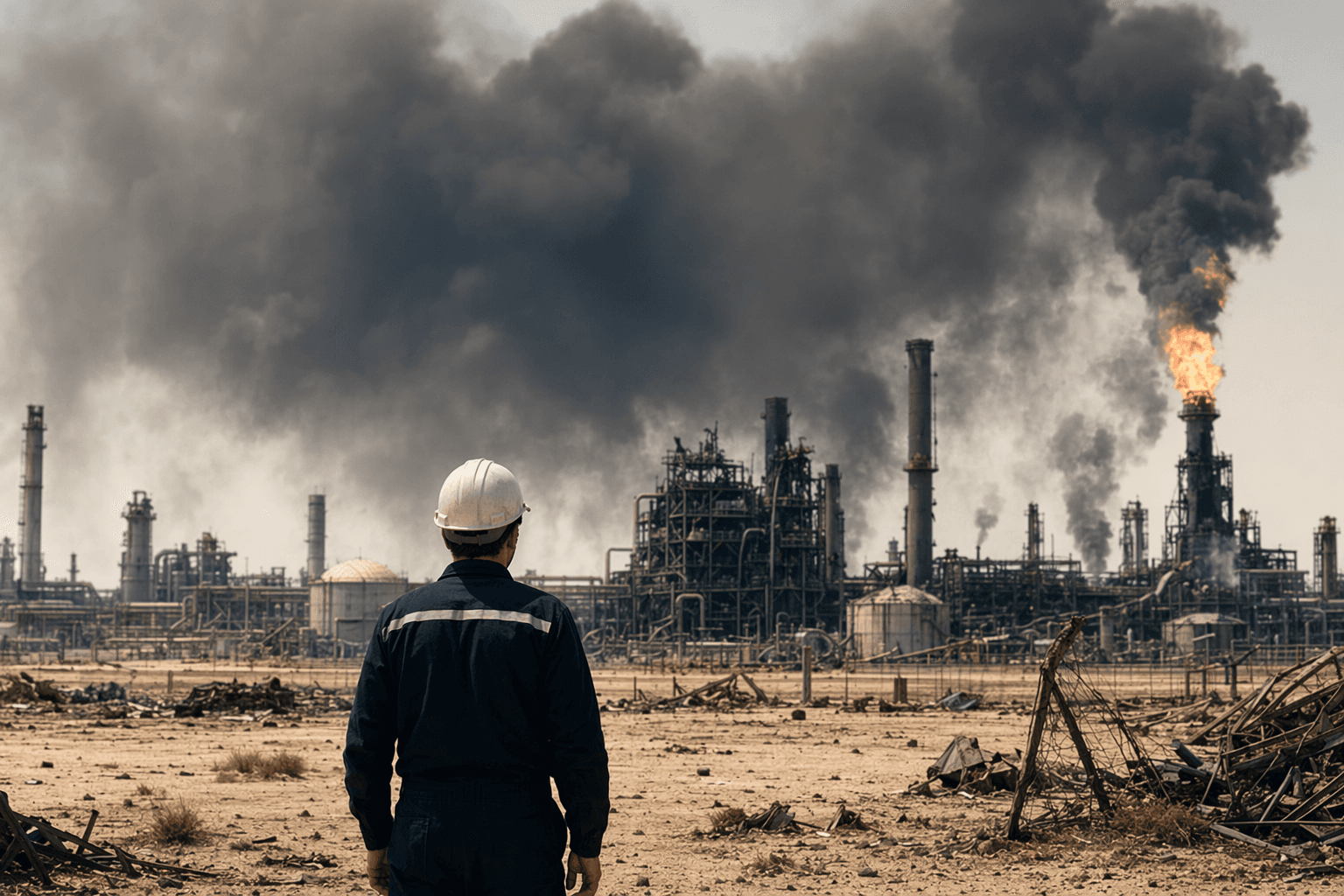
The damage lands at the center of the North Field and South Pars reservoir, the world’s largest natural gas field, which Qatar shares with Iran. The reservoir spans about 9,700 square kilometers and underpins Qatar’s role as the world’s third-biggest LNG exporter after the United States and Australia. Any prolonged outage in Ras Laffan therefore reverberates well beyond Qatar’s borders, hitting the supply chain that moves supercooled gas to terminals, power plants and industrial buyers around the world.
The timing is especially awkward for Doha. Qatar had spent years rebuilding its energy posture after the Saudi-led blockade that began on June 5, 2017, and was formally ended by the Al-Ula Declaration on January 5, 2021. That earlier crisis accelerated Qatar’s push for self-sufficiency and diversification. Now the latest damage could force another long reset, just as Qatar had planned first North Field LNG output for mid-2026 and aimed to lift total LNG capacity to 142 million tons a year before 2030.
Industry analysts have warned that repairs may strain labor and materials, slowing the return of damaged infrastructure even if the security situation improves. For markets, the result is not just a temporary supply gap but a lingering constraint on a major exporter whose cargoes help balance demand in Europe and Asia. Qatar has the gas reserves, the terminals and the ambition to expand, but the physical reality of LNG infrastructure means a damaged hub can freeze strategy for years.
This article was produced by Prism’s automated news system from verified source data, official records, and press releases, then run through automated quality and moderation checks before publishing. The system is built and supervised by the people who set the standards it runs under. Read our full AI policy.
Did this article answer your question?

