Trump to press China to help end Iran war at Beijing summit
Trump met Xi in Beijing as oil markets swung around $105, with the White House betting China can help curb Iran and steady energy prices.
Donald Trump’s push to enlist Xi Jinping in ending the war in Iran carried a direct economic payoff for U.S. households: even a small move in crude can filter into gasoline costs, shipping charges and inflation expectations, and markets were already reacting before the Beijing summit began.
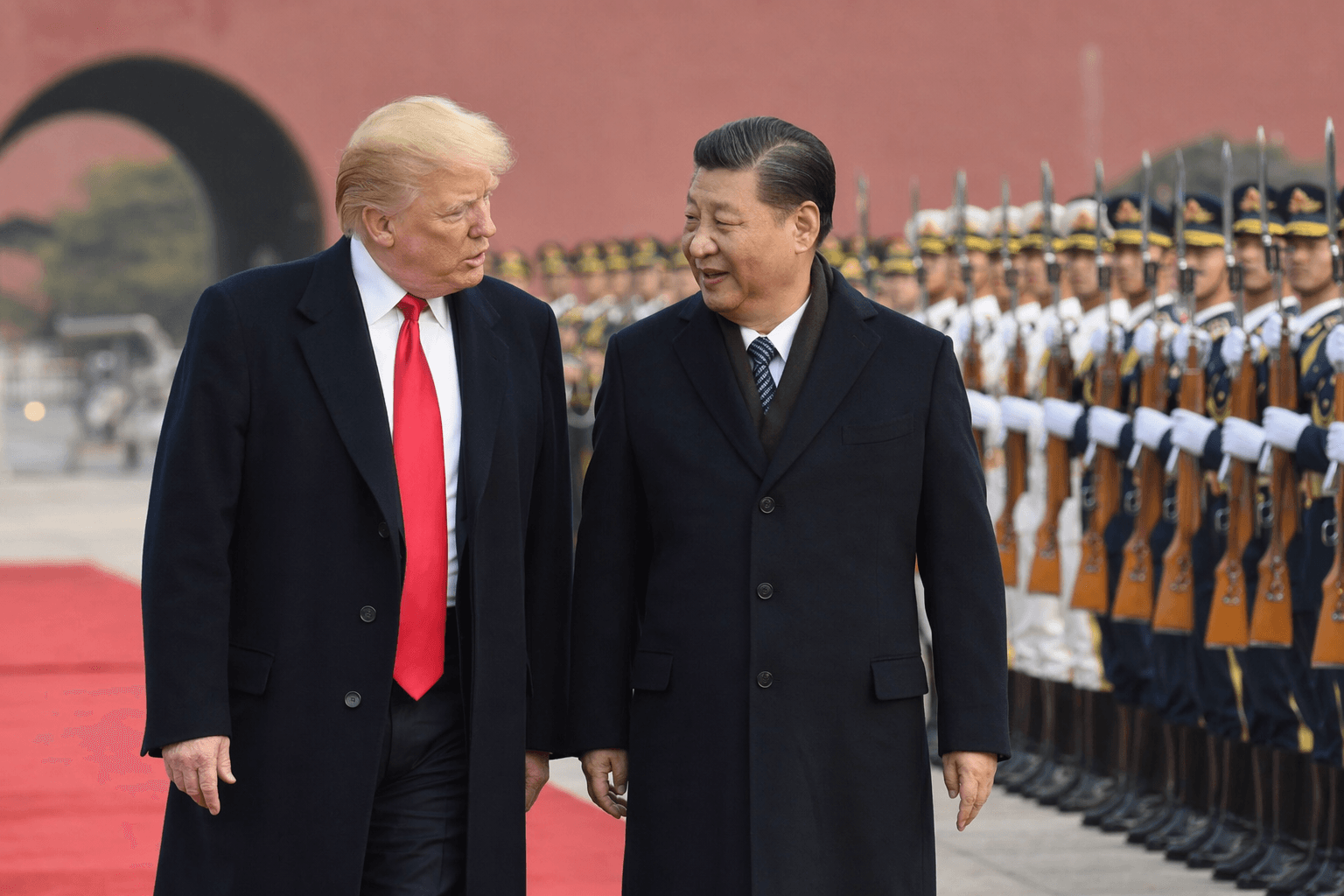
Trump and Xi met in Beijing on May 14 and 15, 2026, in the first visit by a U.S. president to Beijing in nearly nine years. The White House viewed China as one of the few powers with real leverage over Tehran, and Trump was expected to press Xi to use it to ease Middle East tensions and help persuade Iran to end the war.
Oil traders were watching every headline. Brent crude hovered around $105 a barrel before the summit, while West Texas Intermediate traded near $100 to $101 a barrel. On May 13, Brent futures fell about 2% to close at $105.63 a barrel and WTI lost about 1% to settle at $101.02, as markets weighed a fragile ceasefire against the risk that the conflict could spread and disrupt global supply.
The stakes were sharpened by the Strait of Hormuz, the narrow waterway that carries a large share of the world’s crude shipments. Recent attacks on vessels in the area reinforced fears that any widening conflict could hit shipping routes and refined-fuel supplies, sending fuel costs higher far beyond the Gulf. That is why a few dollars in crude can matter quickly at U.S. gas stations, where drivers feel the effect before broader inflation data catches up.
China’s role makes the diplomacy more consequential. Beijing is the biggest buyer of Iranian oil despite U.S. sanctions pressure, giving Xi unusual sway over Tehran if he chooses to use it. But analysts did not expect a major breakthrough from the summit, and some saw little movement so far on the Iran war despite Trump’s visit.
The meeting also opened with a sprawling agenda that stretched well beyond the Middle East. Trade, Taiwan, technology controls and the future of U.S.-China energy ties were all on the table, making the summit as much about economic leverage as diplomacy. For markets, the key question was whether Beijing would help calm Iran, or whether the talks would merely underline how fragile the oil market had become.
This article was produced by Prism’s automated news system from verified source data, official records, and press releases, then run through automated quality and moderation checks before publishing. The system is built and supervised by the people who set the standards it runs under. Read our full AI policy.
Did this article answer your question?