Ways to shrink monthly debt payments, from credit cards to student loans
The fastest payment cuts often come from the creditor you already owe, but the cheapest fix is not always the safest one.

The fastest relief usually starts with the lender you already have
If monthly debt payments are choking your budget, the first move is often the least glamorous and the most effective: call the creditor before the account gets deeper into trouble. The Consumer Financial Protection Bureau says many card issuers will work with borrowers to change a payment when there is a financial emergency, and some creditors may agree to lower minimums or shift a due date. That route costs little or nothing upfront, but it can also fail if you wait too long, because missed payments can trigger late fees, higher rates, collection pressure, and damage to your credit.
That same skepticism should follow any company that promises a miracle. The CFPB warns that debt settlement companies often charge expensive fees, push people to stop paying bills, and can leave you with late fees, penalty interest, lawsuits, and a worse credit score. If you want the cheapest path, a nonprofit counselor or direct negotiation with the creditor is usually the better first call.
For credit cards and other unsecured debt, a debt management plan is the steadier option
A debt management plan, or DMP, is built for unsecured debt such as credit cards. Under the CFPB model, you make one payment each month or pay period to a credit counseling organization, and that organization pays each creditor. The point is not debt forgiveness. It is to lower the monthly bill by working out smaller payments, longer repayment terms, or lower interest and fees with the creditor.
This is often the best balance of speed and cost if your problem is mostly credit-card debt, because it can start reducing the monthly outflow without taking on a new loan. NFCC says as many as 300,000 people reduce debt and improve credit through safe and affordable DMPs every year, while about 500,000 people are counseled each year through its member agencies. Still, DMPs are not magic. The CFPB says a debt consolidation loan probably will not help if you are spending more than you earn unless you also cut spending or raise income, and counselors should not push a DMP as the only answer before understanding your finances.
Balance transfers can buy time, but they are not free
For card debt, a balance transfer can create fast relief by moving a balance to another card with a lower introductory rate. The catch is cost: the CFPB says the transfer usually comes with a fee that is a percentage of the amount moved or a fixed amount, whichever is more, and the promotional rate lasts only a limited time before the new rate may rise. If you use the same card for new purchases, you may lose the grace period on those purchases, and if you are more than 60 days late, the issuer can raise the interest rate on all balances, including the transferred amount.

This option is best for someone with strong enough credit to qualify for a low or zero-rate offer and enough discipline to erase the balance before the promotion ends. It is a poor fit if your score is already shaky, because the CFPB notes that people whose credit has been hurt by debt often cannot get the best rates on balance transfers or debt consolidation loans. Opening a new card or loan can also trigger a hard inquiry, and the CFPB says that kind of inquiry can lower your score.
Consolidation loans simplify the bill, but they can cost more over time
A debt consolidation loan rolls several debts into one monthly payment, and banks, credit unions, and installment lenders may offer them. That can make the cash flow easier to manage, but the CFPB warns that many low rates are teaser rates that expire, and that taking the loan’s length, fees, and other costs into account, you may pay more for the convenience than you would have paid on the original debts. The bureau also points out that debt consolidation lenders are typically for-profit companies charging for actions a consumer can often do for free.
This is the option to be most skeptical about if your debt is being driven by a spending problem rather than a temporary cash crunch. If you need a lower payment because your income dropped, a consolidation loan may look tidy on paper and still fail in practice. If you need immediate breathing room, it can help, but only if the rate is truly better and the term is not so long that it inflates the total cost.
Mortgage hardship programs work, but they are not forgiveness
Homeowners have their own set of tools. The CFPB says mortgage forbearance lets a servicer or lender temporarily pause payments or allow smaller payments, but the borrower still owes the full amount later. HUD says borrowers facing hardship should contact their mortgage servicer as soon as possible, and HUD-approved housing counseling agencies can help with defaults, foreclosures and credit issues.
FHA-backed loans have become more flexible. HUD says FHA updated its loss-mitigation options in 2025 to include 30- or 40-year standalone loan modifications, 30- or 40-year combination loan modification and partial claim options, and a temporary three-year Payment Supplement in some cases. The Payment Supplement is designed to give a temporary monthly reduction when other home-retention options do not produce a sustainable result. For homeowners, this can be the fastest route to a lower monthly payment, but it also requires a repayment plan later, so it is not a permanent fix unless the modification itself is permanent.
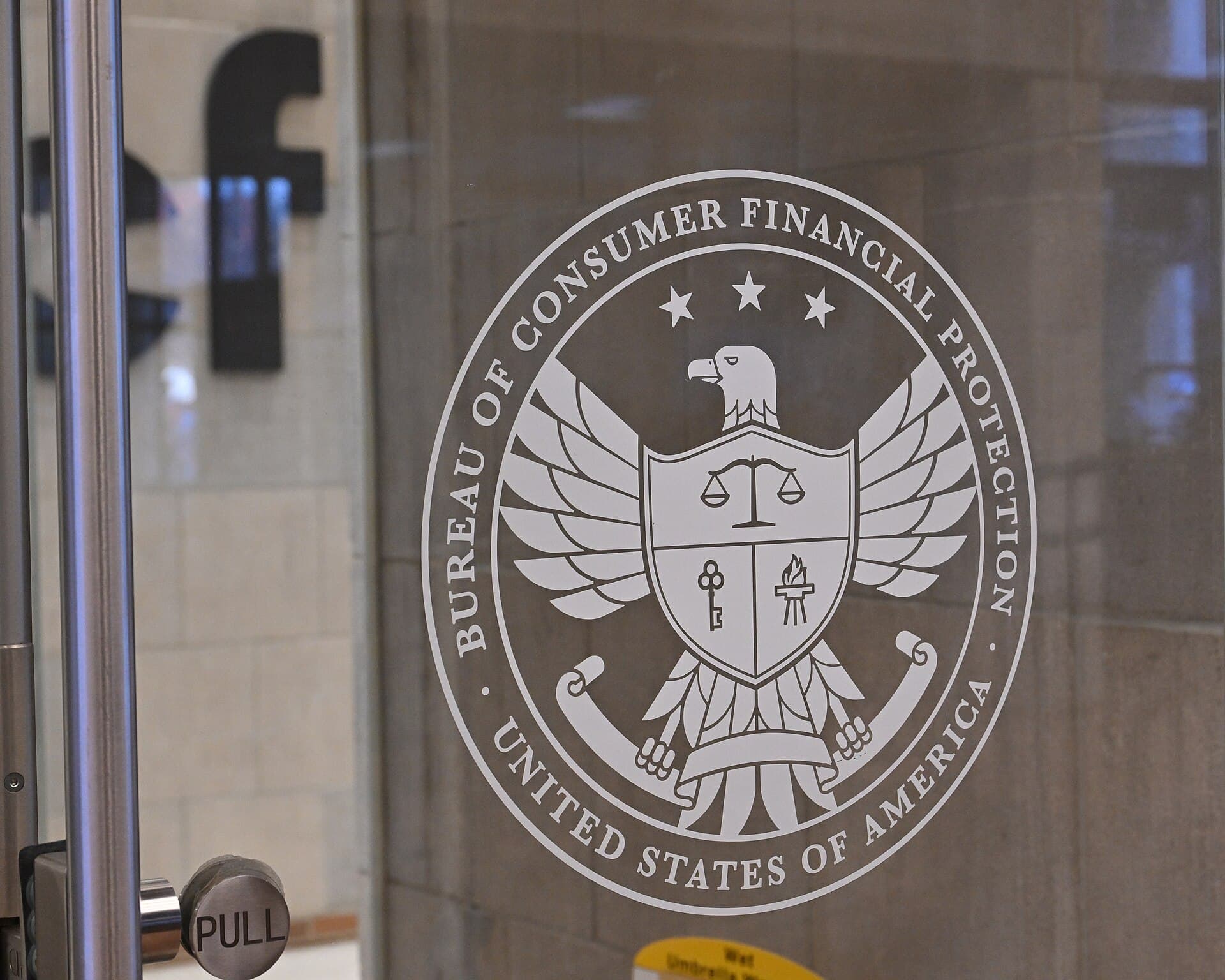
Federal student loans have their own pressure valve
For federal student loans, income-driven repayment plans are usually the key payment-cutting tool. Federal Student Aid says an income-driven repayment plan bases your monthly payment on income and family size, and for some borrowers the payment can be as low as $0 a month. That makes IDR one of the fastest ways to shrink a student-loan bill without borrowing more money, especially if your earnings are low or your household size is large.
There is also a consolidation angle here, but it is narrower. The CFPB says a federal Direct Consolidation Loan can simplify monthly payments by combining loans into one payment, help some borrowers get out of default faster, and open access to repayment options they did not have before. The downside is equally important: consolidating federal loans can make you give up other benefits, including, in some cases, progress toward Public Service Loan Forgiveness or other loan-specific advantages.
Bankruptcy is the hard stop when every other door is closed
Bankruptcy can cut monthly debt obligations quickly because it is a legal process, not a negotiated workaround, but it is the most serious option on the list. U.S. Courts says bankruptcy has long-term financial and legal consequences and strongly recommends qualified legal advice. Chapter 7 can liquidate nonexempt property, while Chapter 13 lets regular-income debtors use a payment plan and, in some cases, catch up on past-due mortgage payments.
It is also not cheap. Current filing fees are $338 for Chapter 7 and $313 for Chapter 13, before attorney fees and any other costs. That makes bankruptcy a better fit for borrowers who need legal protection or a true reset, and a worse fit for people who still have a workable path through creditor negotiations, a DMP, or a hardship plan.
The larger backdrop explains why these choices matter now. The New York Fed says U.S. household debt reached $18.8 trillion in the first quarter of 2026, and credit-card balances stood at $1.25 trillion. Against that kind of balance-sheet pressure, the best debt-relief choice is the one that lowers the monthly bill quickly without hiding costs that will come due later.
This article was produced by Prism’s automated news system from verified source data, official records, and press releases, then run through automated quality and moderation checks before publishing. The system is built and supervised by the people who set the standards it runs under. Read our full AI policy.
Did this article answer your question?