Iran’s Ghalibaf says diplomacy can work, but warns of war
Ghalibaf paired war talk with diplomacy, saying Hormuz would reopen only under Iranian terms while Doha talks stalled over assets, sanctions and ceasefire promises.

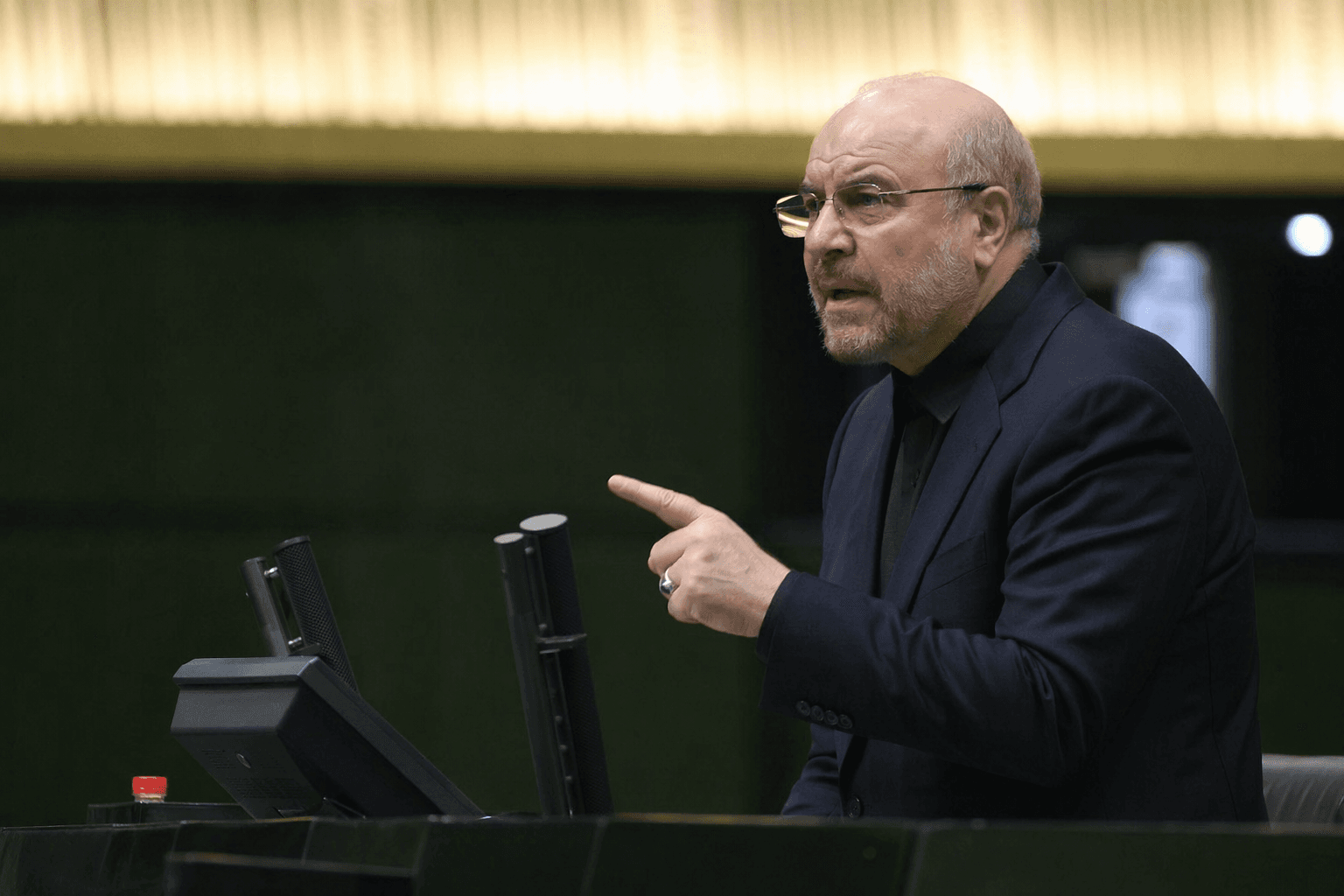
Mohammad Bagher Ghalibaf said the Strait of Hormuz would reopen only under “Iranian arrangements,” even as Iran’s parliament speaker and chief negotiator with the United States kept pressing the case for talks and warned that Tehran was ready for war if diplomacy failed.
The timing mattered. On June 30, 2026, Ghalibaf said on state television that Iran was “prioritising diplomacy” with the United States but was “ready for war” and would answer in kind if negotiations were not implemented. Five days later, he called carrying out the U.S.-Iran memorandum of understanding “difficult but possible.” By July 9, he had moved to the narrowest version of the same message: the waterway that carries a major share of the world’s oil trade would not be opened on Washington’s terms.
That public posture fit a fragile diplomatic channel that was still moving in Doha. Indirect U.S.-Iran technical talks took place there in late June and early July, with Qatar and Pakistan mediating. Iranian officials said the discussions were meant to speed up ceasefire implementation, lift the U.S. blockade and secure the release of frozen assets. But the talks produced no clear breakthrough toward a lasting peace, and the agenda remained stuck on the same pressure points: the Strait of Hormuz, sanctions relief, frozen Iranian funds and follow-through on ceasefire commitments.
The split inside Iran was visible in the way Ghalibaf’s own remarks were handled at home. The Iranian parliament media center said parts of his televised interview were cut, including comments about frozen assets, the Strait of Hormuz and details of the memorandum, prompting accusations of censorship from parliament. Hardliners also attacked the memorandum as too concessive, a sign that Ghalibaf was not just negotiating with Washington but also trying to preserve room for maneuver against opponents inside Iran’s political system.
The economic stakes explain why. Ghalibaf said Iran had exported more than 40 million barrels of oil since the blockade was lifted, compared with no exports during a previous 50-to-60-day stretch when Tehran could not ship crude. Other reporting on the draft arrangement put the frozen-asset figure at roughly $24 billion to $25 billion. That mix of oil revenue, asset access and control over Hormuz is the real test of whether Ghalibaf’s warning is a bluff, or the opening bid in a deal Tehran can sell at home.
This article was produced by Prism’s automated news system from verified source data, official records, and press releases, then run through automated quality and moderation checks before publishing. The system is built and supervised by the people who set the standards it runs under. Read our full AI policy.
Did this article answer your question?