Iran's Hormuz Grip Forces Nations Into Deals Defying U.S. Pressure
Just five ships crossed the Strait of Hormuz in the first 24 hours of a ceasefire as Iran's selective access deals fracture global energy politics along political lines.
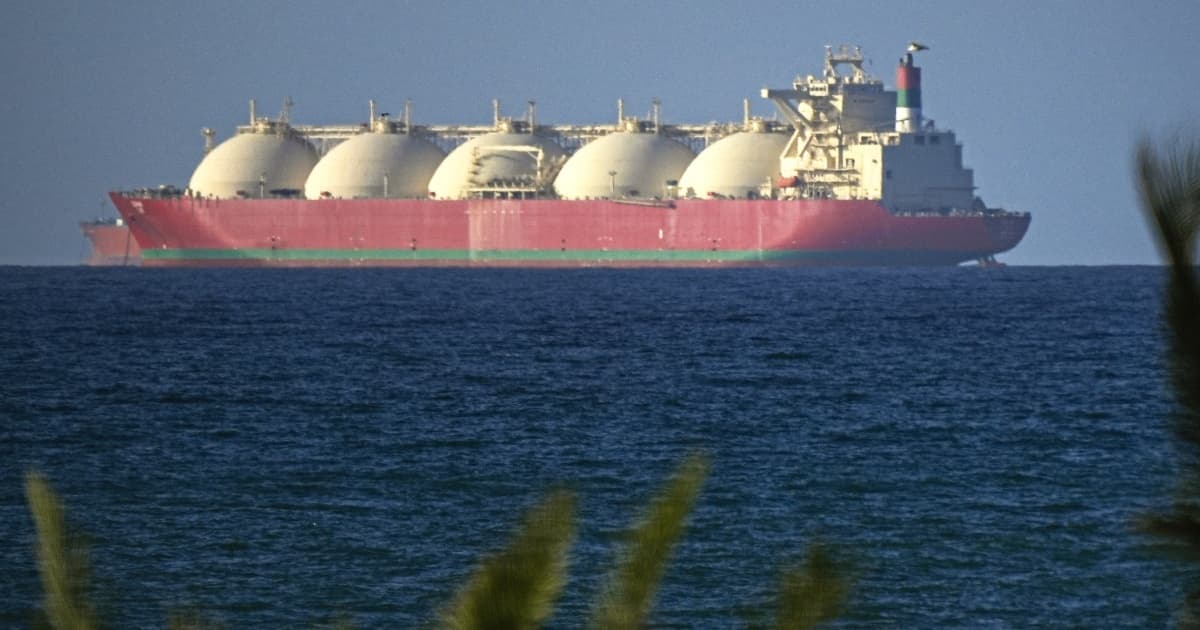
With more than 600 vessels, including 325 tankers, still stranded in the Persian Gulf two days after a ceasefire took effect, Iran has turned the Strait of Hormuz into a geopolitical instrument, offering selective transit rights to some nations while formally barring others and forcing governments to choose between securing energy supplies and staying aligned with Washington.
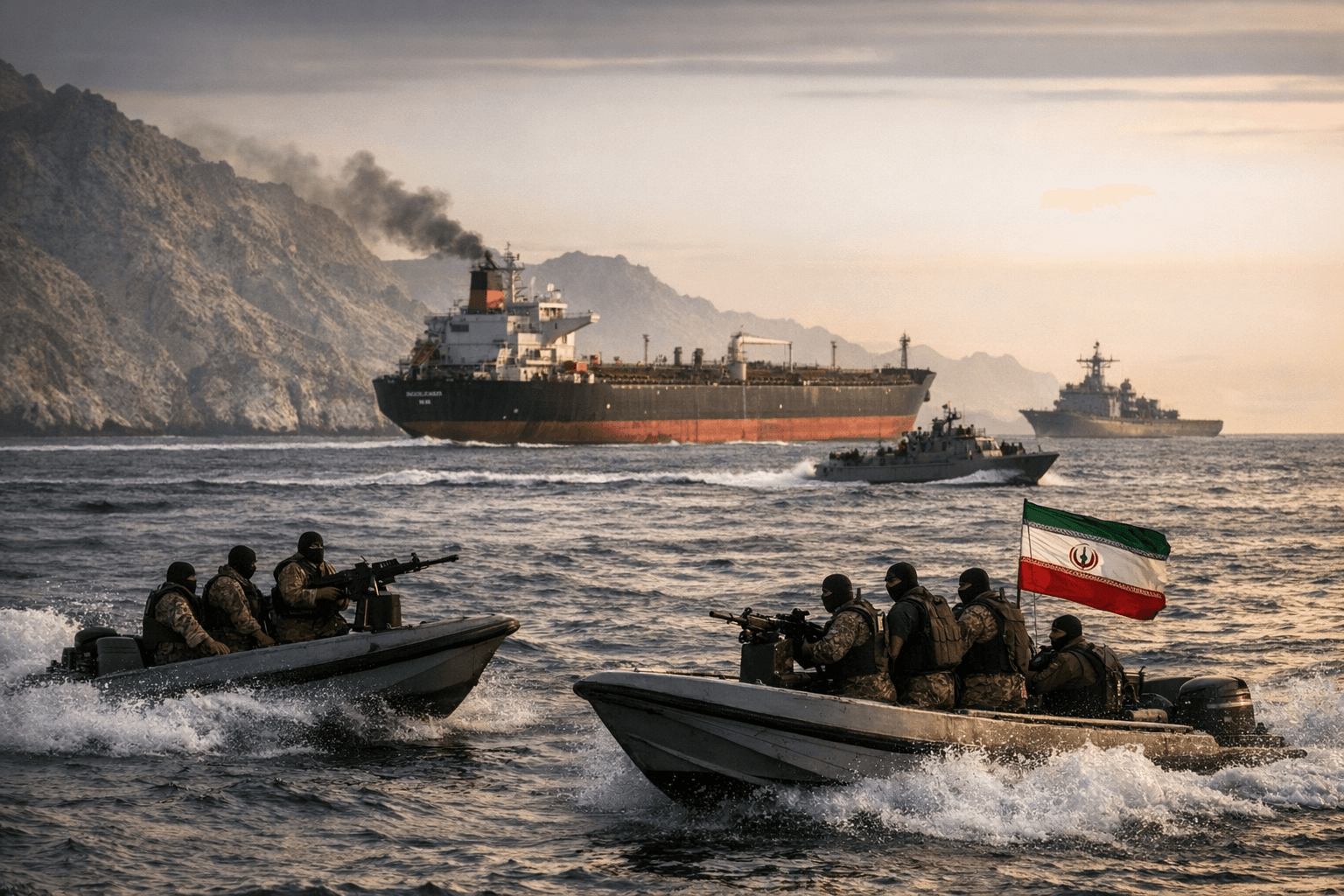
The 34-kilometer waterway between the Persian Gulf and the Gulf of Oman carries roughly 25% of the world's seaborne oil and 20% of global LNG, approximately 20 million barrels per day, with 84% destined for Asian markets. The crisis began February 28, 2026, when the United States and Israel launched airstrikes on Iran that killed Supreme Leader Ali Khamenei. The IRGC officially confirmed the closure on March 2. Tanker traffic collapsed by more than 90% within days, cutting off an estimated 10 to 15 million barrels per day and pushing oil prices above $100 a barrel.
Rather than a uniform blockade, Iran franchised access along political lines. Ships from China, Russia, India, Iraq, Pakistan, Turkey, Thailand, and Malaysia transited safely at various points. On March 27, the IRGC formalized the divide, officially declaring the strait closed to any vessel going to or from U.S., Israeli, and allied ports. In the 25-day window from March 1 through March 25, only 116 total crossings were recorded against a pre-war daily norm of 135 ships. Damien Chevallier, director of the IMO's Maritime Safety Division, reported that 20,000 seafarers had spent more than a month stranded in a tense and volatile situation, unable to leave their vessels.
Iran moved quickly to convert that leverage into permanent institutional power. On March 31, Iran's parliamentary National Security and Foreign Policy Committee approved the "Strait of Hormuz Management Plan," a bill imposing formal tolls on transiting vessels, with Oman co-drafting an enforcement protocol. Fees would be payable in Chinese yuan or cryptocurrency. University of Tehran researcher Mohammad Eslami and senior fellow Zeynab Malakouti framed Tehran's calculus plainly: "The perceived solution [for Iran] is permanent control of the strait, providing services, collecting fees, and, most importantly, securing not just the Persian Gulf but a valuable lever over the global economy." Legal experts warn the scheme violates UNCLOS rights of transit passage, and that acceptance could invite similar toll regimes at the Strait of Gibraltar or Strait of Malacca.
The two-week ceasefire announced April 8 brought only tentative movement. MarineTraffic and Kpler recorded just five bulk carriers transiting in the first 24 hours; S&P Global Market Intelligence counted nine. Both figures represent a fraction of the 135-ship daily norm. Iran briefly re-closed the strait the same day after Israeli strikes in Lebanon before the agreement stabilized. Sultan Ahmed Al Jaber, CEO of Abu Dhabi National Oil Company, stated flatly that the strait had not opened: "This moment requires clarity."
Trump said the U.S. wanted the strait open "without limitation, including tolls." UK Foreign Secretary Yvette Cooper reiterated the call for a toll-free strait on April 9, one day after chairing a virtual ministerial meeting that also demanded Lebanon be included in ceasefire terms. Traffic recorded 53 transits in one week in early April, up from 36 the week before, but still a shadow of pre-war volumes.
The Federal Reserve Bank of Dallas estimated the closure threatens a shortfall close to 20% of global oil supply, dwarfing the 1973 oil crisis at 6%, the 1979-80 Iranian Revolution at 4%, and the 1990 Gulf War at 6%. With Iran's toll legislation still advancing through parliament and shipping executives reporting no clarity on transit conditions, the two-tier access system Iran built in weeks could outlast the ceasefire that was meant to end it.
Sources:
Know something we missed? Have a correction or additional information?
Submit a Tip