Iran’s nationwide unrest intensifies amid deadly, contested crackdown
Protests across Iran have entered a third week as state forces escalate repression; casualty estimates range from hundreds to thousands, raising international alarm.
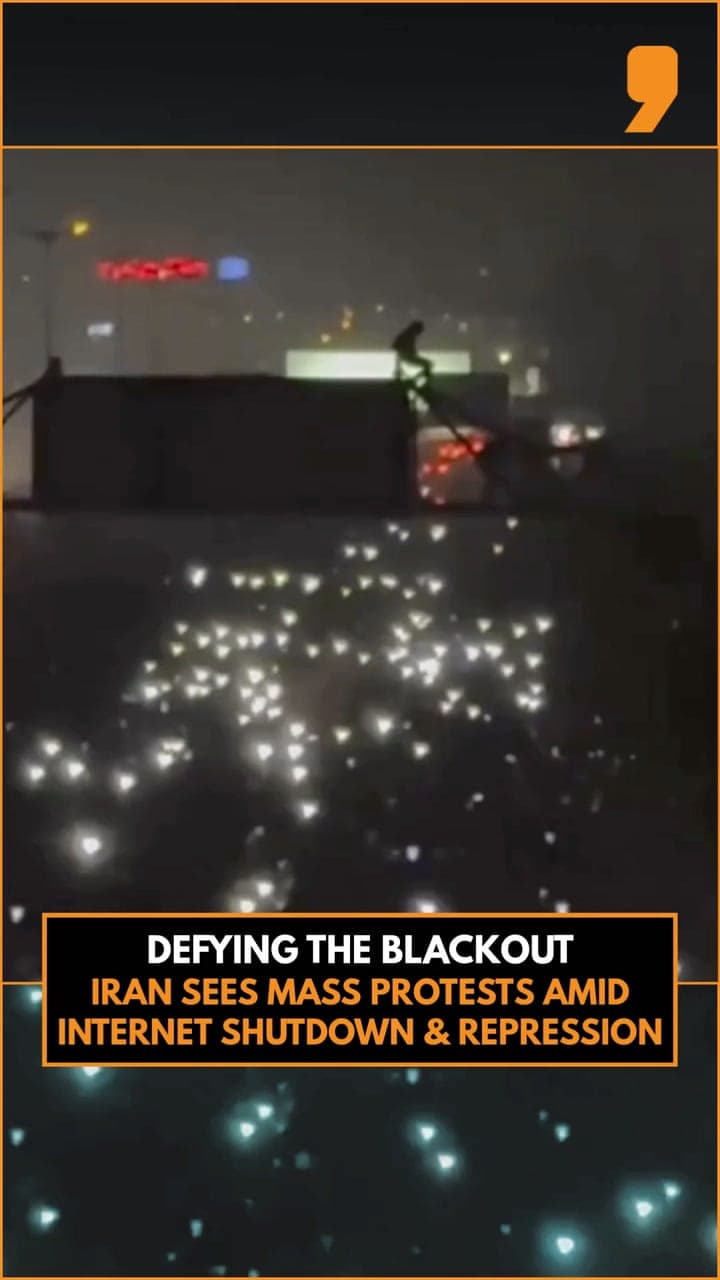
Heavy street clashes and an intensified security crackdown have swept across Iran as protests entered a third week, rights groups and activists say, after a communications blackout and widespread arrests complicated independent verification of casualties.
Witnesses who managed brief phone calls abroad described a pattern of daytime quiet in Tehran, punctuated by mass demonstrations at night, burned government buildings and smashed ATMs. Demonstrations expanded from Tehran to provinces across the country after thousands responded to an appeal from exiled Crown Prince Reza Pahlavi, observers said. Iranian authorities imposed an internet and phone blackout beginning the evening of Jan. 8, which rights groups say hampered both reporting and families’ efforts to account for missing relatives until lines briefly reopened in mid-January.
Human rights organizations have documented a severe use of force. Amnesty International and Human Rights Watch say the crackdown, which they trace to Dec. 28, 2025, included unlawful shootings, shotguns loaded with metal pellets, water cannon, tear gas and beatings. Their documented evidence covers at least Dec. 31, 2025, to Jan. 3, 2026, during which they recorded at least 28 people killed in 13 cities across eight provinces. Both organizations compared the pattern of violence to the 2022 "Woman, Life, Freedom" uprising and called for an immediate end to unlawful use of firearms by security forces.
Casualty estimates vary widely and remain unverified. The Human Rights Activists News Agency, a U.S.-based activist outlet, said the death toll had climbed to at least 2,571; Skylar Thompson of HRA News described that figure as "shocking." A separate tally from the same network provided a breakdown of 512 protesters and 134 security personnel confirmed killed, with 579 additional reported deaths under review. A U.S.-based rights group told international outlets it had recorded at least 1,850 protesters killed. Internal estimates circulating inside Iran reported to journalists put deaths at between 12,000 and 20,000, though those figures have not been independently corroborated. Medical personnel on the ground have said hospitals were "overwhelmed."

Authorities acknowledged casualties and framed them as losses sustained in suppressing what they describe as externally driven unrest. Iran’s police chief alleged the protests were "ordered from outside the country" and said "terrorists" had been confronted inside Iran. The judiciary chief vowed "swift and harsh" punishment and warned courts to show no leniency toward "rioters." Foreign Minister Abbas Araghchi declared that security forces had brought the protests under "total control." State television quoted an unnamed official saying the country had "a lot of martyrs" and announced a three-day period of mourning.
Thousands of arrests have been reported as security forces detained protesters in mass roundups. Amnesty and Human Rights Watch documented patterns of arbitrary detention but did not provide an aggregate detainee count in their published summaries. Activists and some Norway- and U.S.-based observers warned the crackdown could amount to mass killings and urged international action under protection responsibilities.
International officials expressed alarm while cautioning about verification. U.K. Foreign Secretary Yvette Cooper told Parliament the government believed "there may have been 2,000 people killed" and warned the number "may prove to be significantly higher." All sources stress that casualty and detention figures remain contested and difficult to verify because of the communications blackout, restricted access and competing narratives from activist networks, state bodies and unnamed internal sources.
This article was produced by Prism’s automated news system from verified source data, official records, and press releases, then run through automated quality and moderation checks before publishing. The system is built and supervised by the people who set the standards it runs under. Read our full AI policy.
Did this article answer your question?