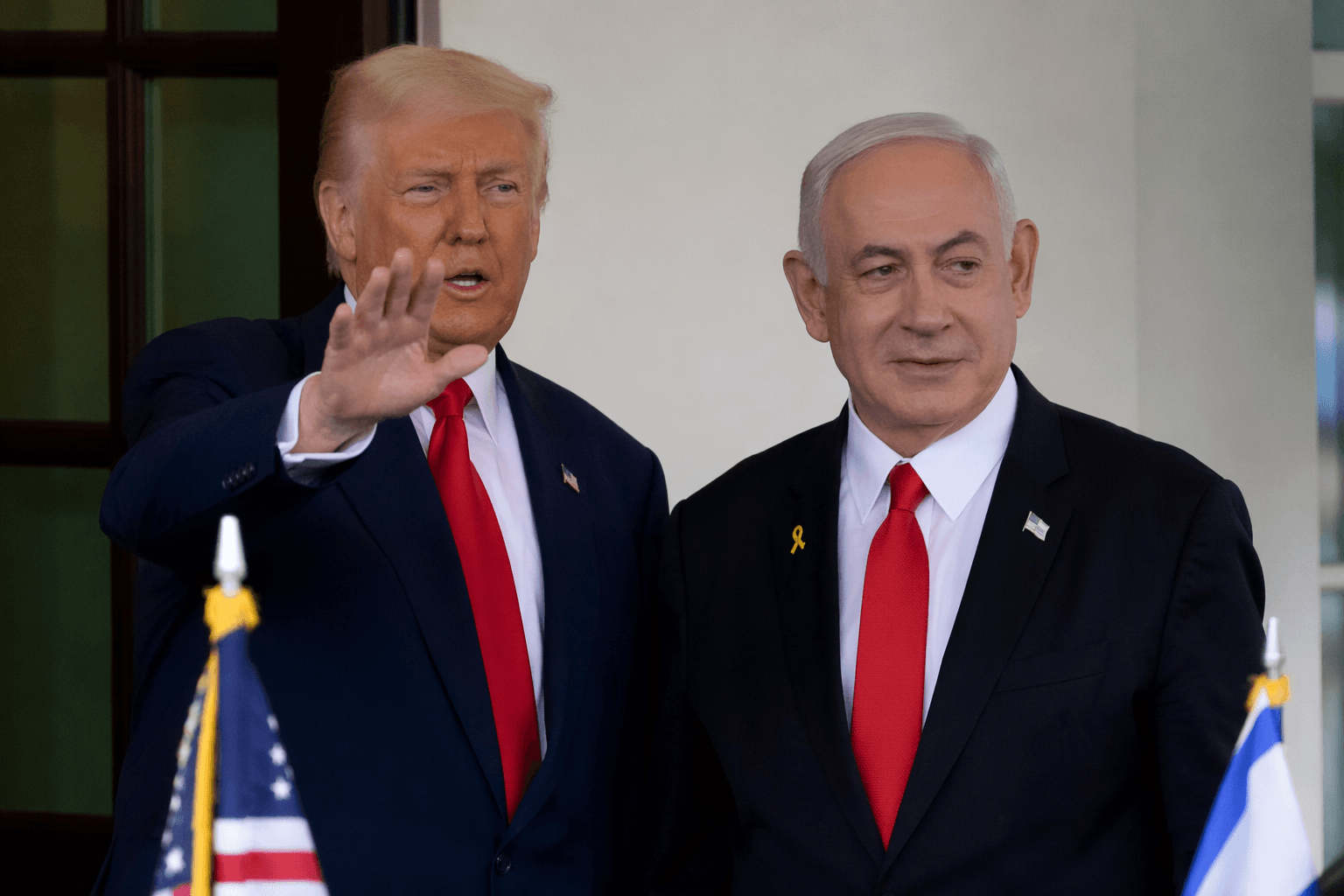
Iran’s Revolutionary Guards tighten grip on wartime decision-making
Iran’s wartime decisions now flow through the Guards’ own network, where succession planning, repression and sanctions pressure are narrowing the path to diplomacy.
The guardrails of power
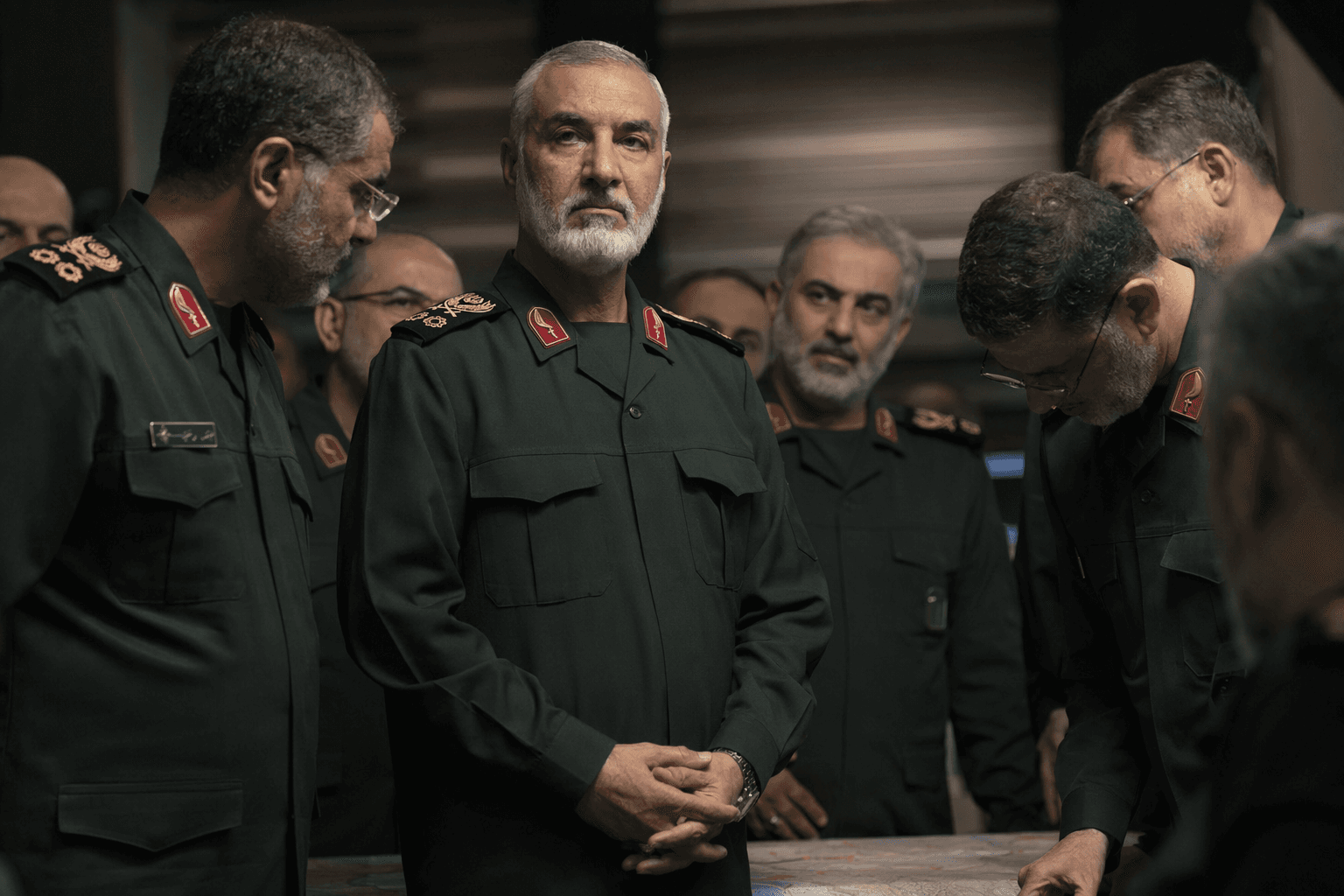
Iran’s most important wartime choices are not moving through the country’s formal institutions alone. They are increasingly being shaped by a small circle of men tied to the Islamic Revolutionary Guard Corps, the force created after the 1979 revolution as a counterweight to Iran’s regular army and designed to answer directly to the Supreme Leader.
That structure matters because the Guards are not just a military body. The Council on Foreign Relations says they sit at the center of internal security, the economy, ballistic missiles and regional operations, giving them leverage over both domestic order and external escalation. Many veterans have also moved into cabinet posts, parliament and provincial offices, which means the Guards’ influence now runs through the state rather than sitting beside it.
A wartime chain of command built for survival
The wartime picture sharpened after Reuters reported on March 4, 2026, that the Guards had tightened their grip on decision-making after losing top commanders. Senior sources told Reuters the group was involved in every major decision, and that its decentralized structure had already pushed authority down the ranks before the U.S.-Israeli attack.
That decentralization is not a sign of weakness. It is a survival design. Reza Talaeinik described a system in which each commander has named successors stretching three ranks down, a setup meant to keep the chain intact if leaders are killed. Reuters also identified Ahmad Vahidi as the Guards’ new head in that report, underscoring how much operational control now sits inside the Corps rather than in Iran’s civilian institutions.
The result is a more resilient but also harder-line war machine. A command system built to endure decapitation strikes can keep functioning under pressure, but it also reduces the chances that diplomacy, restraint or compromise will emerge from the battlefield itself.
Why the Guards have such deep political reach
The Guards’ current dominance did not appear overnight. A Washington Institute analysis says the Quds Force, the Guards’ external operations arm, absorbed surviving foreign-operations groups by 1989 and turned that into a monopoly over Iran’s extraterritorial activity. That monopoly lasted until the Syria war, when the scale of regional conflict expanded the Guards’ reach even further.
The leadership shift after Qasem Soleimani’s death reinforced that pattern. Esmail Qaani rose to command the Quds Force, and Mohammad Reza Fallahzadeh became his deputy in April 2021. Those changes mattered because they preserved continuity inside an organization that has long been built around loyalty, secrecy and command discipline rather than public institutions.
The Corps’ regional footprint also explains why its influence reaches beyond Iran’s borders. The Guards support militant groups in Iraq, Lebanon, the Palestinian territories, Syria and Yemen through what the Council on Foreign Relations calls Iran’s axis of resistance. That network gives Tehran tools for pressure and retaliation, but it also raises the risk that any crisis involving Iran can spread quickly across multiple fronts.
The succession question could consolidate the system further
The most important political test ahead may be the transition after Ali Khamenei. The Supreme Leader is aging, and regional experts expect the Guards to play a pivotal role in choosing his successor. If that happens, it would deepen the concentration of power inside a narrow security elite and raise new barriers to political reform.
Mojtaba Khamenei, the Supreme Leader’s son, is often discussed in that succession context. Reuters quoted analyst Kasra Aarabi saying Mojtaba Khamenei has close ties with the Guards and significant control over them. Whether or not he becomes central to any transition, the reporting points to the same reality: the future of the Islamic Republic may be decided less by formal civilian competition than by a security network that already dominates wartime planning.
For Iran’s political system, that is a major shift. The Guards’ rise means the line between military command, succession politics and internal repression is increasingly thin. For outside powers, it means any expectations of a simple handoff from one elected office to another are likely to miss where real authority sits.
Repression at home, pressure abroad
The Guards’ role is not limited to external conflict. The Council on Foreign Relations says their reported role in the brutal suppression of protests in January 2026 triggered international outrage and helped drive a new round of condemnation from the European Union and other major bodies, including designation of the group as a terrorist organization.
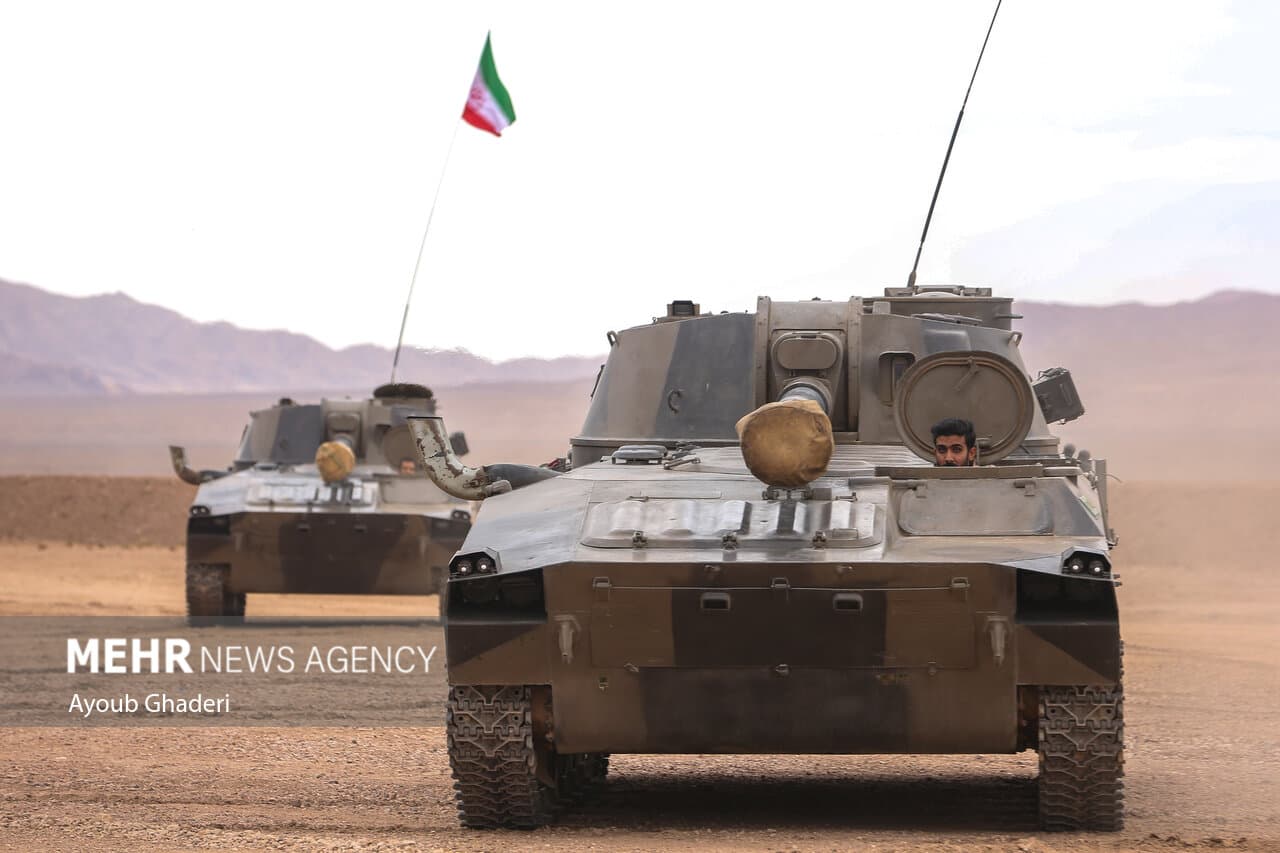
Washington has kept up the pressure in a different way, through financial warfare. In May 2026, the U.S. Treasury sanctioned 12 individuals and entities for helping the Guards sell and ship Iranian oil to China. FinCEN also issued a May 2026 alert warning financial institutions about shell companies, exchange houses and facilitators tied to IRGC money laundering and sanctions evasion.
That mix of repression and sanctions tells you something important about how the Guards operate. They are not just a security force with overseas reach. They are a political economy, using coercion, smuggling networks and state access to sustain the system that protects them.
What this means for the United States
For Washington, the command structure inside Iran raises the stakes for every policy choice. The Congressional Research Service notes that Iran and the United States have no formal diplomatic relations and have largely acted antagonistically since the 1979 . That makes back-channel diplomacy harder even before the Guards’ influence is taken into account.
- Escalation risk is higher because wartime decisions are concentrated in a hardened security network, not dispersed across civilian institutions.
- Sanctions pressure is likely to keep targeting oil, shipping and financial intermediaries, because those are the arteries that sustain the Guards’ power.
- Negotiations, if they resume, will have to account for a leadership structure in which military commanders and succession politics may carry as much weight as foreign ministry rhetoric.
In practical terms, the Guards’ tightening grip means Iran is not becoming more pluralistic in crisis. It is becoming more centralized, more militarized and more prepared to survive blows that would unsettle a less disciplined system. For U.S. policy makers, that makes deterrence essential, but it also means any future deal with Tehran will have to confront the real center of power, not the formal one.
Know something we missed? Have a correction or additional information?
Submit a Tip