Iraqi national charged in alleged plot to attack U.S. synagogues
Federal prosecutors said an Iraqi national sought cryptocurrency to finance attacks on a Manhattan synagogue and other Jewish sites. The case exposed how quickly law enforcement and synagogues had to harden defenses.
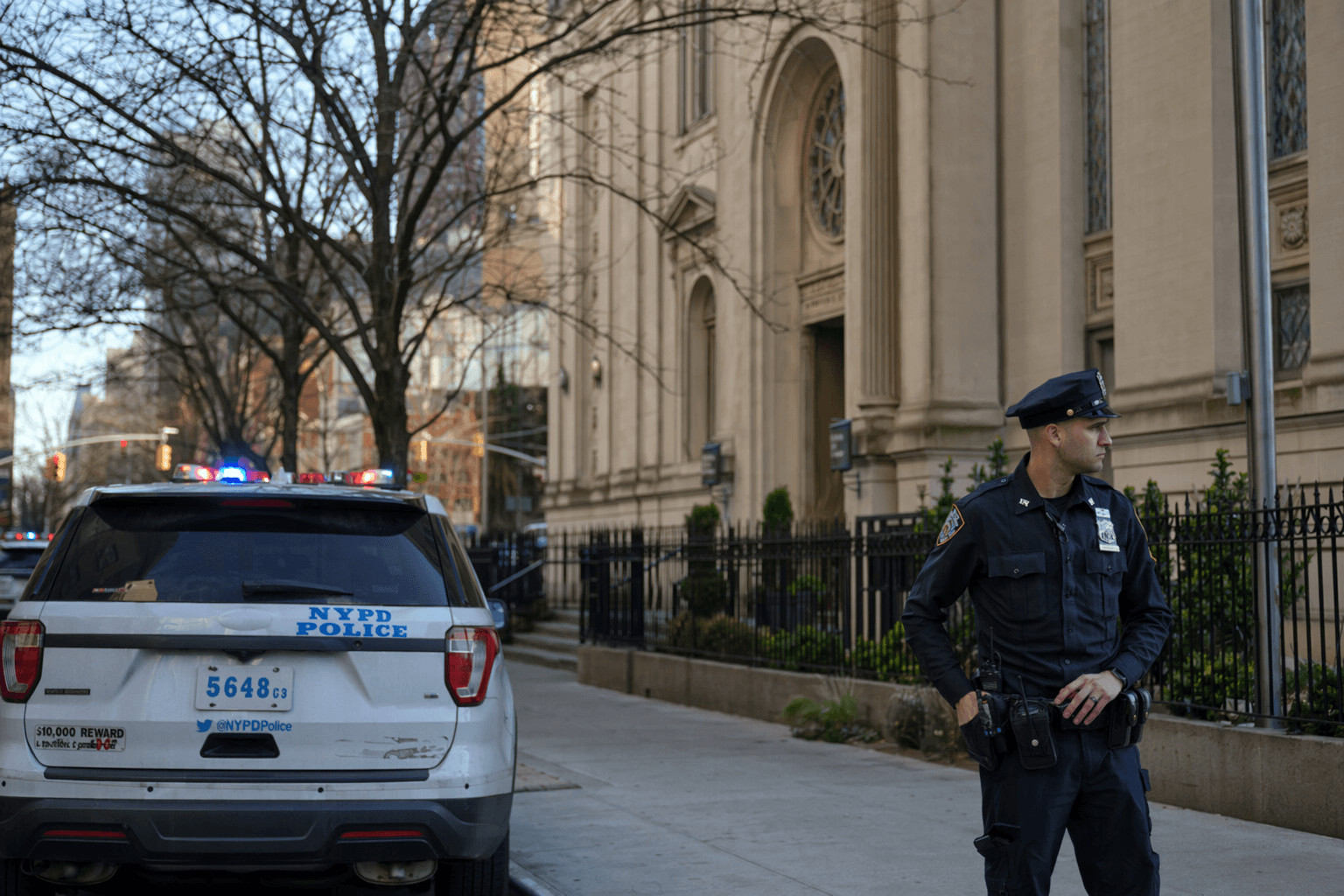
Federal prosecutors said an Iraqi national and senior member of Kata’ib Hizballah was arrested overseas, brought into U.S. custody, and charged with six terrorism-related counts after an alleged plot that targeted Jewish institutions in New York, California and Arizona. Mohammad Baqer Saad Dawood Al-Saadi, 32, was presented in Manhattan federal court before Magistrate Judge Sarah Netburn, who ordered him detained pending trial.
The complaint says the alleged plan focused on a prominent Manhattan synagogue and Jewish centers in Los Angeles and Scottsdale, Arizona. Prosecutors said Al-Saadi provided an undercover law-enforcement officer with photos and maps of the intended sites, discussed attacks in New York, Los Angeles and Scottsdale, and sought about $10,000 in cryptocurrency to carry out the attack. They said he sent a $3,000 down payment and identified an alleged target date of April 6.
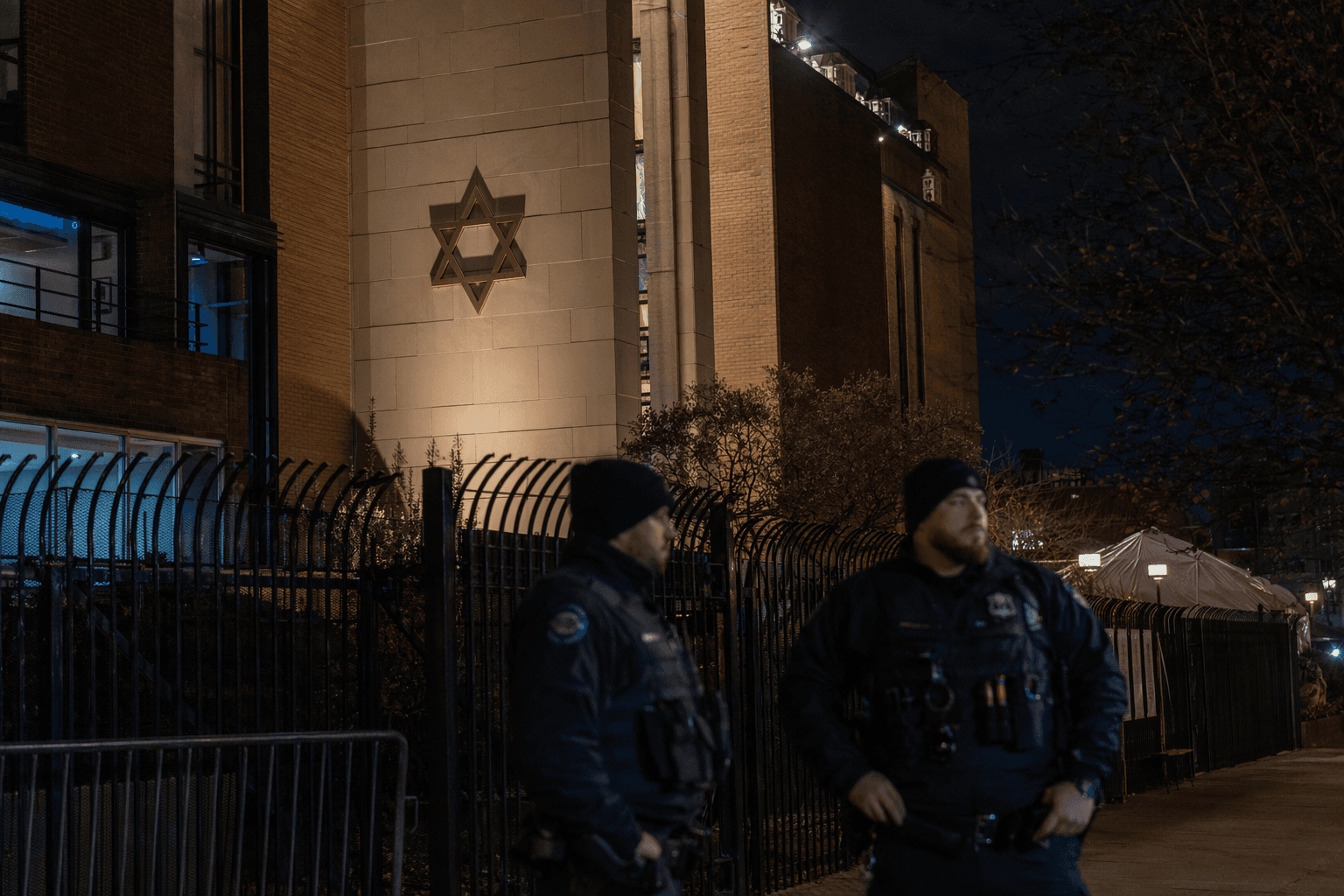
The Justice Department said the case also tied Al-Saadi to nearly 20 attacks and attempted attacks across Europe and the United States, including attacks against U.S. and Israeli interests since March 9. Officials said the allegations show the reach of Iran-backed militant groups and the risk posed when operatives try to move threats from overseas networks into the United States. Prosecutors said the complaint also alleges he directed and urged others to attack U.S. and Israeli interests and to kill Americans and Jews in the United States and abroad.
New York officials said the threat forced immediate security steps around the synagogue that had been identified as a target. NYPD Commissioner Jessica Tisch said law enforcement disrupted the plan and worked with synagogue leadership to secure the site when the threat was elevated. The public filing did not name the Manhattan synagogue, but the case underscored how Jewish institutions in major cities now operate under a higher-threat environment, where site hardening, rapid police coordination and close monitoring of suspicious outreach can be decisive.
The arrest landed amid mounting concern over antisemitic violence. The Anti-Defamation League said 2025 was the third-highest year on record for antisemitic incidents in the United States since it began tracking them in 1979, including a record level of physical assaults. With New York home to the largest Jewish population outside Israel, the alleged plot reached far beyond one criminal case and into the core question of how cities defend houses of worship when threats shift from rhetoric to mapped-out targets.
Know something we missed? Have a correction or additional information?
Submit a Tip