Irish Hauliers and Farmers Blockade Fuel Depots, Forcing Shortages Nationwide
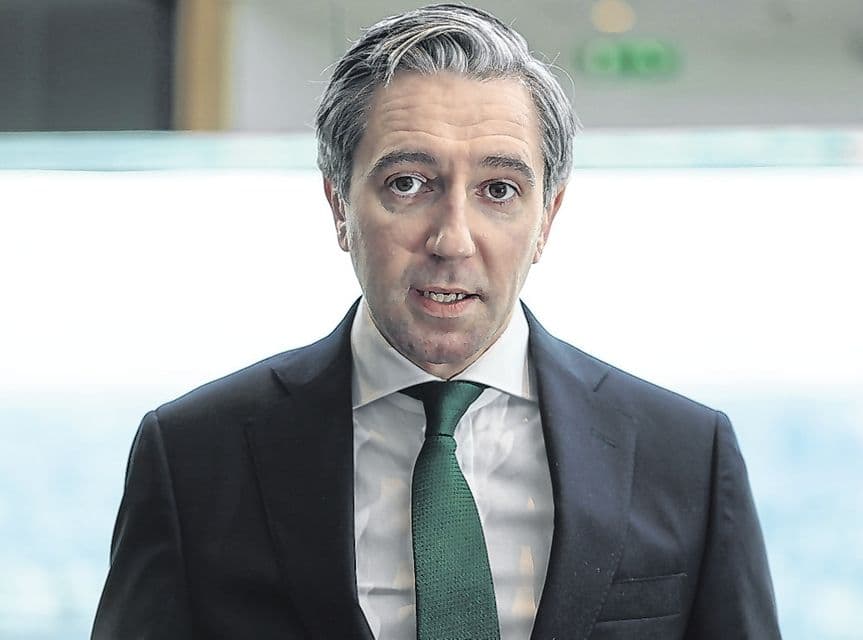
Finance Minister Simon Harris called the Whitegate refinery blockade a "sinister and despicable attack" as pump shortages spread across Ireland following two days of mass demonstrations.
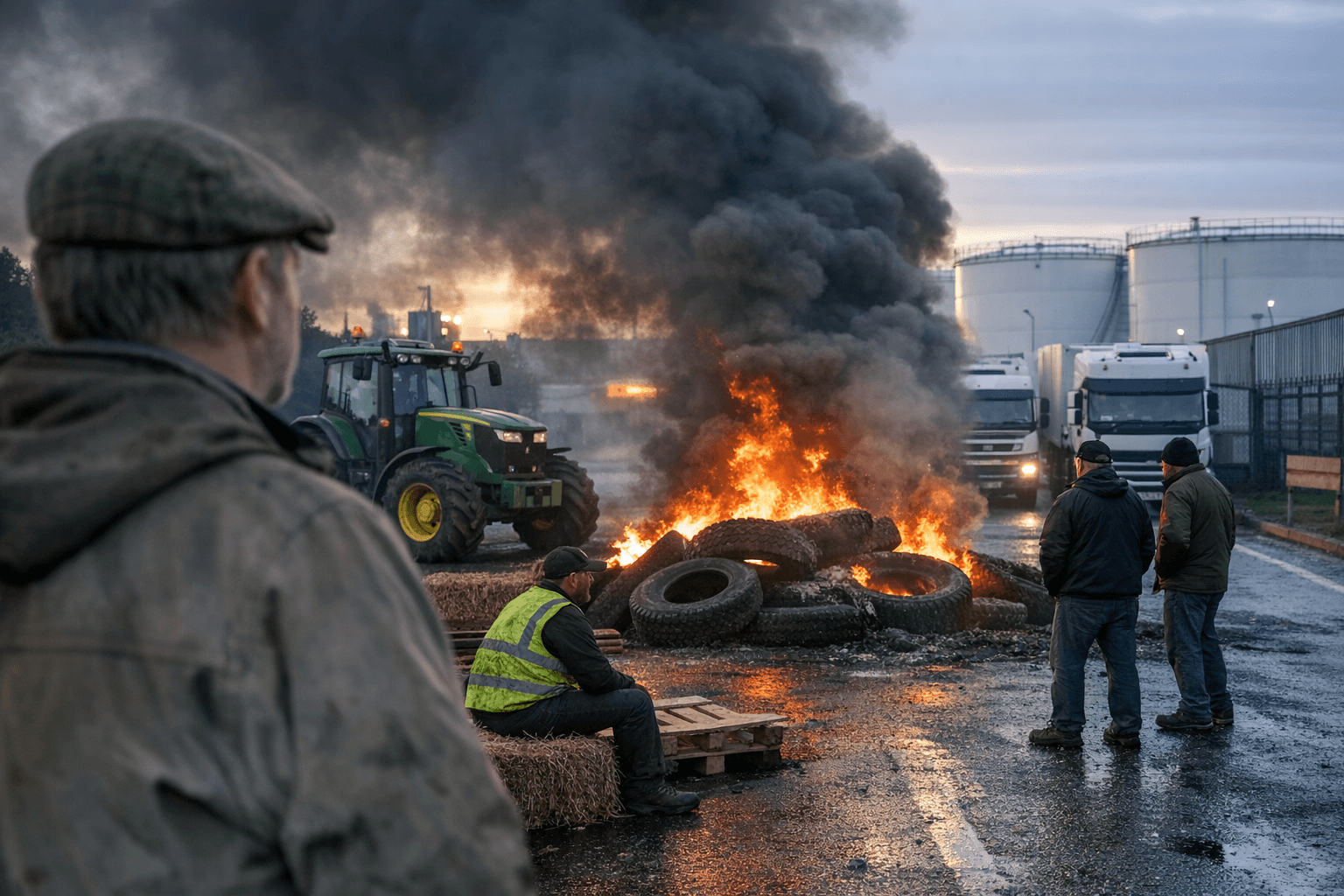
Thousands of hauliers, farmers and truck drivers blocked fuel depots and staged tractor demonstrations across Ireland on April 8 and 9, forcing shortages at filling stations and drawing sharp condemnation from senior ministers after the country's largest oil refinery was brought to a standstill.
The Whitegate refinery outside Cork was among the facilities targeted as demonstrators parked vehicles to halt deliveries. Major traffic disruption was also reported in Dublin and Galway, where haulier and farmer groups coordinated their actions to maximize pressure on the government to negotiate a more generous support package for businesses absorbing rising fuel costs.
Finance Minister Simon Harris called the Whitegate action a "sinister and despicable attack" on the economy and warned that law enforcement powers would be used where necessary. Agriculture Minister Martin Heydon told state broadcaster RTE that police and defense forces would be deployed "so fuel can continue to flow around the country." Prime Minister Micheál Martin also publicly condemned the refinery blockade, signaling that the government had no intention of capitulating to the demonstrations as a condition of talks.
The protests were organized against a backdrop of sustained strain on European energy markets, where disruptions to Middle Eastern shipping lanes tied to the broader regional conflict have reverberated through freight and fuel flows. Demonstrators demanded direct negotiations with ministers and more substantive relief than has so far been offered to road haulage and agricultural businesses absorbing the higher operating costs.
The pressure on Dublin mirrors a wider European predicament. The European Commission is weighing coordinated responses including emergency legislation, windfall taxes on energy company profits and targeted price caps, tools similar to those deployed in 2022 following the disruption of Russian gas supplies. National mitigation measures already enacted across 22 EU member states have collectively cost around €9 billion, and finance ministers from several countries have pushed for punitive approaches to excessive energy company earnings.
The blockades have so far produced localized pump shortages and disrupted essential deliveries. If sustained, the actions risk cascading effects on food distribution, logistics and small businesses that depend on reliable fuel supply. For Irish policymakers, the immediate challenge is managing short-term relief measures without exacerbating inflationary pressures; the longer-term questions concern strategic fuel reserves and supply diversification, structural investments that offer no immediate relief to a haulier paying today's diesel prices. The longer the standoff continues, the harder those political calculations become.
This article was produced by Prism’s automated news system from verified source data, official records, and press releases, then run through automated quality and moderation checks before publishing. The system is built and supervised by the people who set the standards it runs under. Read our full AI policy.
Did this article answer your question?


