Israel and Hezbollah trade deadly strikes as Iran talks stall
Israeli strikes in southern Lebanon killed at least 18 people and delayed U.S.-Iran talks in Switzerland as pressure mounted on a fragile regional deal.

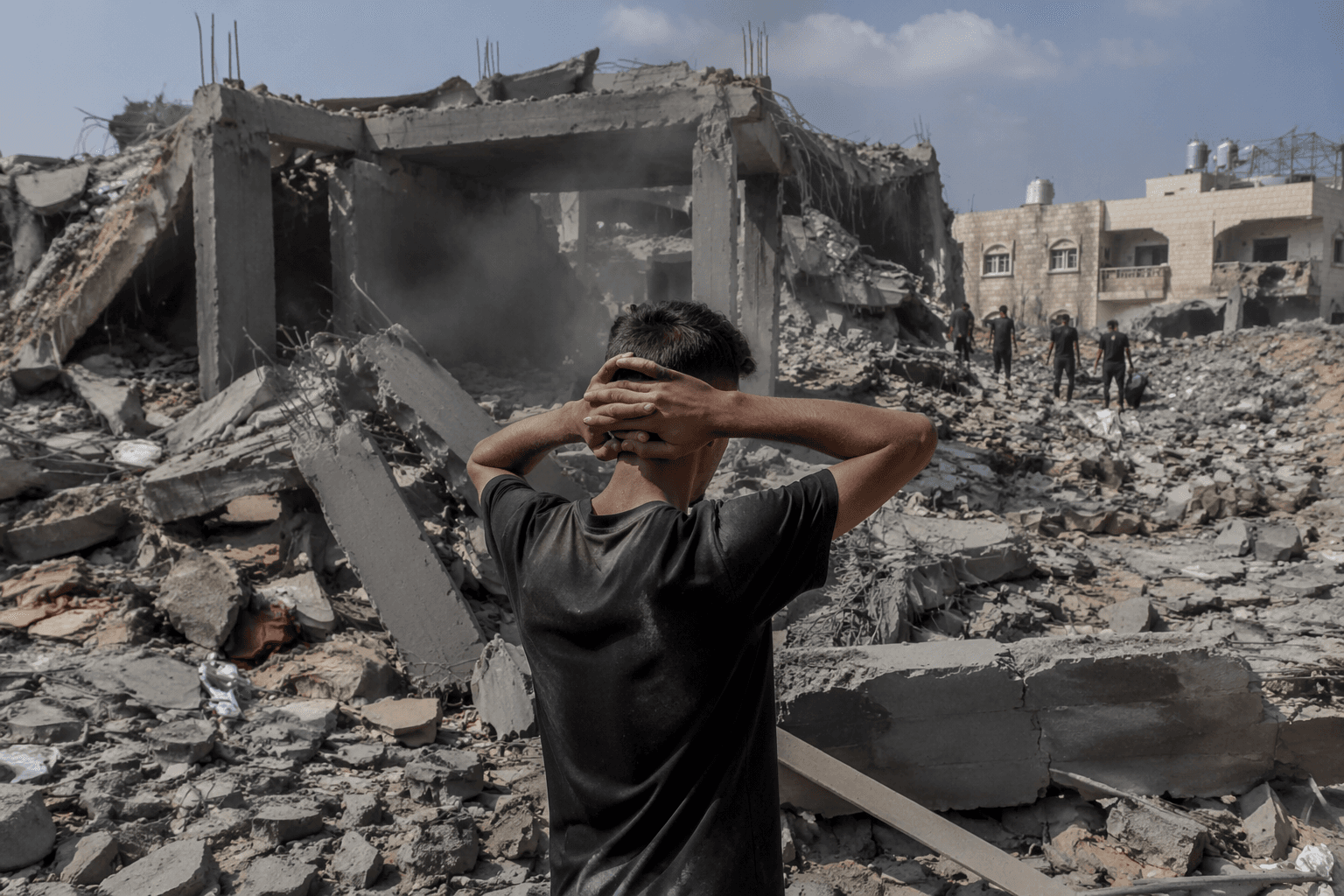
Israeli strikes in southern Lebanon killed at least 18 people and wounded 33 more overnight and into Friday, while the fighting also disrupted planned U.S.-Iran talks in Switzerland. The violence sharpened the risk that a newly brokered understanding aimed at halting military operations across the region could unravel before it takes hold.
Israel said its forces hit Hezbollah operatives, command centers, launch positions and other infrastructure in southern Lebanon in response to attacks that killed four Israeli soldiers, including one identified by the Israel Defense Forces as a lieutenant colonel. The casualties on both sides underscored how quickly the confrontation has intensified, with Lebanon’s state-run media and health authorities reporting the dead and wounded from strikes across southern Lebanon and the Bekaa Valley.
The escalation also spilled into diplomacy. Iranian officials delayed or suspended sending their delegation to the planned talks in Switzerland because of Israel’s continuing campaign in Lebanon, according to diplomats and government-aligned media reports. U.S. Vice President JD Vance had been scheduled to travel to Switzerland to lead the negotiations, but the White House said his trip was canceled for logistical reasons.
The talks were expected to continue discussions between Washington and Tehran over a permanent end to the wider Iran war, with Geneva part of the diplomatic track. Instead, the battlefield moved first, leaving the negotiations stalled as Israeli strikes continued to land in southern Lebanon.
Lebanese President Joseph Aoun condemned the attacks as a dangerous escalation, saying the “killing and destruction constitutes a dangerous escalation.” His criticism reflected the widening political pressure on Beirut as shelling and airstrikes stretched deeper into the south, and as civilian casualties mounted alongside the military losses.
The latest violence threatens a new U.S.-Iran agreement signed earlier in the week that calls for an immediate halt to military operations on all fronts, including in Lebanon. But with Israeli and Hezbollah forces still trading fire, and with Iran’s delegation held back from the table, the gap between diplomacy and combat has only widened, raising the prospect of a broader regional war.
This article was produced by Prism’s automated news system from verified source data, official records, and press releases, then run through automated quality and moderation checks before publishing. The system is built and supervised by the people who set the standards it runs under. Read our full AI policy.
Know something we missed? Have a correction or additional information?
Submit a Tip