Mines in the Strait of Hormuz could linger long after fighting ends
Even if fighting stops, mines in Hormuz can still trap tankers for weeks. The hardest part is proving the strait is safe enough for insurers and ports to trust.
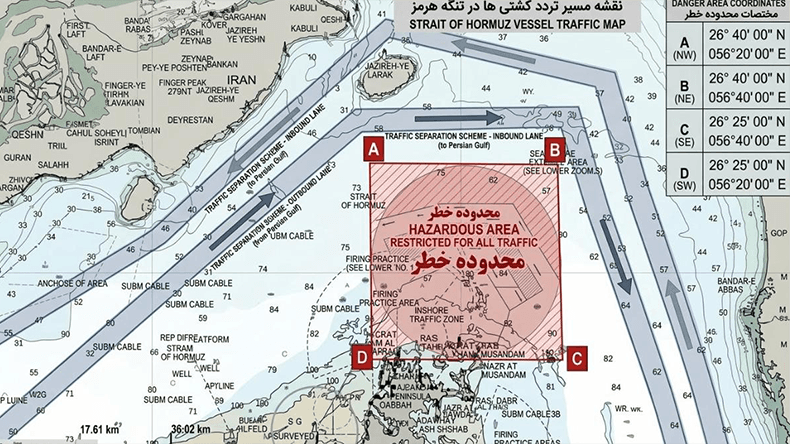
A minefield in the Strait of Hormuz does not disappear when the shooting stops. The danger lingers in the water, in shipping schedules, and in the cautious calculations of insurers and port operators who need more than a reopening announcement before they move. That is why a few hidden explosives can keep one of the world’s most important waterways dangerous long after the battlefield headlines fade.
Why the Strait of Hormuz matters
The Strait of Hormuz is not just another shipping lane. It is a critical global energy chokepoint connecting the Persian Gulf with the Gulf of Oman, and there are very few alternative routes if it is closed. In 2024, oil flow through the strait averaged 20 million barrels per day, about 20 percent of global petroleum liquids consumption, according to the U.S. Energy Information Administration. Crude oil makes up slightly more than 70 percent of the total oil moving through the strait each year.
That volume explains why the stakes extend far beyond Iran and Oman, the two states that border the waterway. A U.S. Naval Institute analysis puts the strait’s share of world oil traffic at about 21 percent and its share of global liquefied natural gas traffic at about 20 percent. When a route that important is threatened, the question is not only whether ships can pass today. It is whether the system around them, from fuel buyers to insurers to harbor authorities, can still function tomorrow.
Why mines are so hard to clear
Mines are especially disruptive because they turn a narrow passage into an uncertainty problem. Even after active hostilities ease, clearing the strait can take weeks, not hours, because crews must locate mines, neutralize them, and then prove the corridor is safe enough for commercial traffic to return. One assessment cited by Reuters estimated that 40 to 50 days could pass before many insurers, shippers, and oil companies regain enough confidence to resume normal transits.
That delay is not just about the physical sweep. It is also about credibility. The International Chamber of Shipping has welcomed reopening efforts, but said vessels must be able to cross unimpeded. Maritime security and tanker-industry officials have urged ship-specific risk assessments and caution, because the standard for reopening a strait is much higher than simply announcing that the fighting is over.
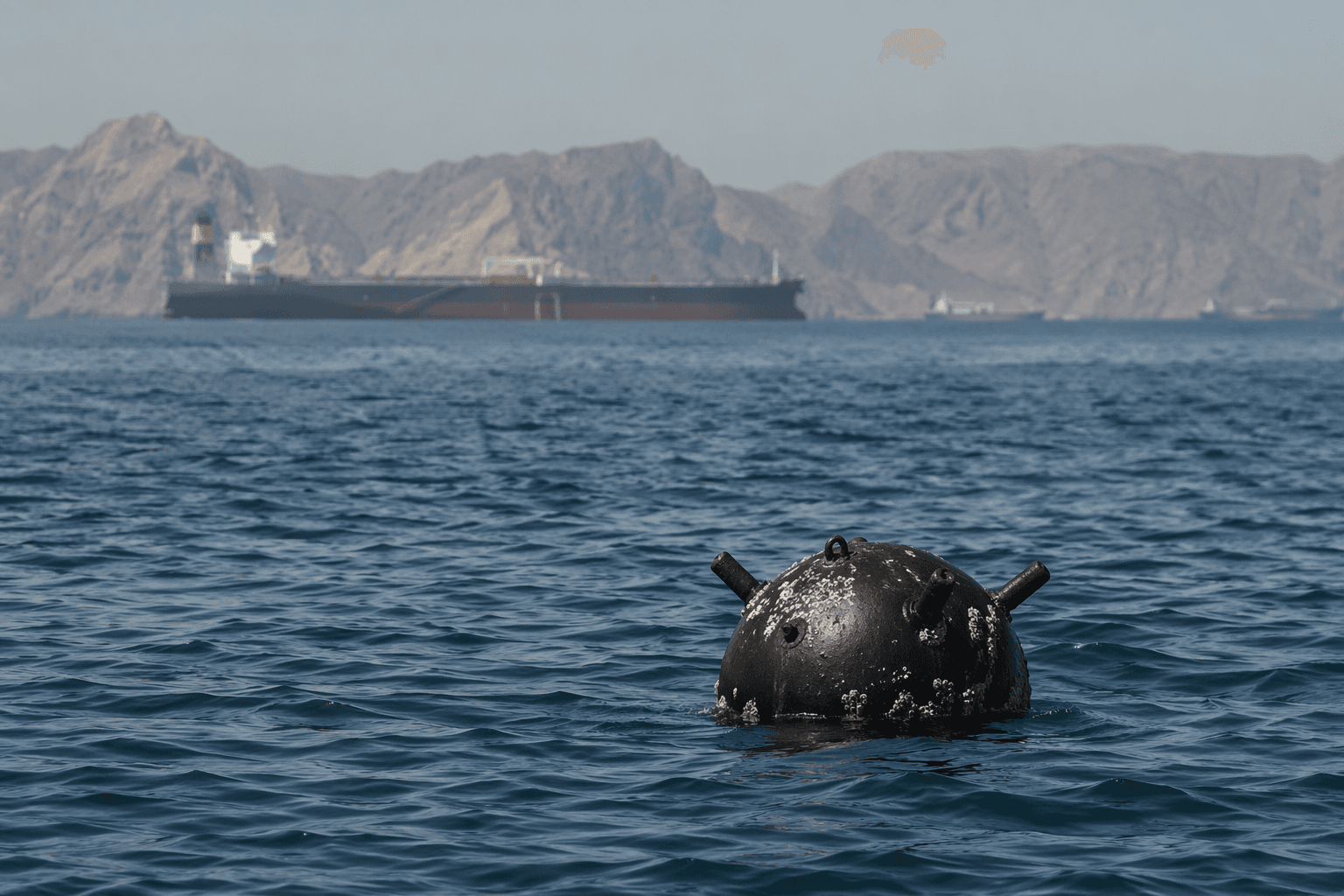
The scale of the disruption can be seen in the backlog itself. Shipping groups said roughly 500 vessels still needed to pass through the strait to exit the region. For those ships, the difference between a declared end to hostilities and a truly usable waterway can mean days or weeks at anchor, or longer voyages around the danger zone.
What mine clearance actually requires
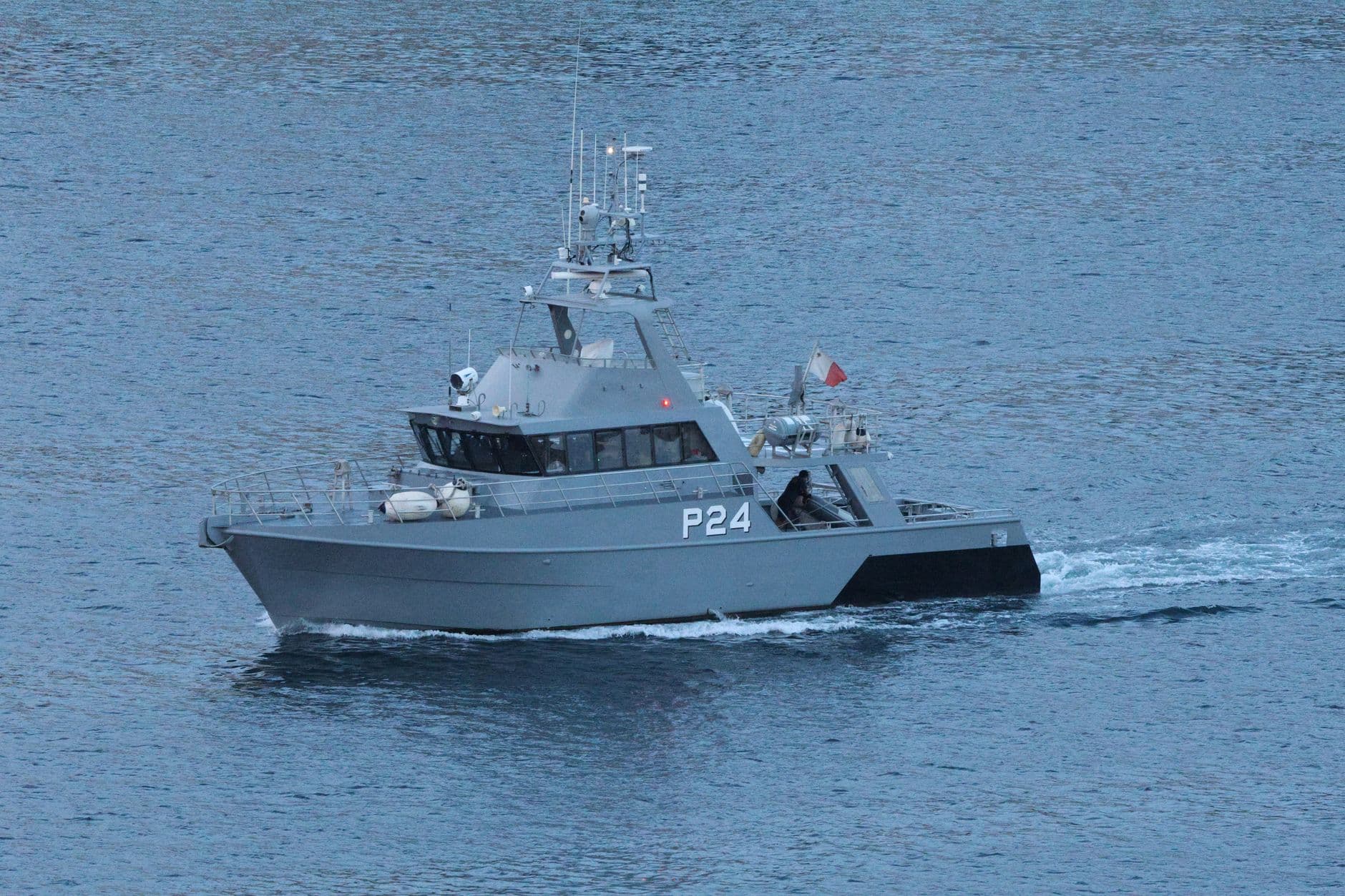
Mine countermeasures are slow because they must be exact. The route has to be searched, checked again, and then checked by different systems so commercial operators can trust the result. Recent U.S. Navy reporting described the use of drone-based countermeasures and unmanned mine-countermeasure systems in the Strait of Hormuz, along with the repositioning of destroyers and minesweepers to support clearance operations.
That mix reflects a basic reality of ordnance work: detecting a mine is only part of the job. The harder task is proving the lane is safe enough for the entire commercial chain to restart. Oil traders need confidence. Insurers need confidence. Terminal operators need confidence. Until those decisions line up, a reopened strait can remain functionally constrained even if ships are technically allowed to move.
For that reason, mine clearance in Hormuz has strategic value far beyond the battlefield. It protects the credibility of global commerce. It also reduces the chance that a single drifting or missed mine becomes the next casualty in a lane carrying a large share of the world’s energy.
History shows how quickly the danger can escalate
The fear is not abstract. During the 1984 to 1988 Tanker War phase of the Iran-Iraq War, Iran and Iraq attacked merchant shipping, and the United States launched Operation Earnest Will in 1987 to protect Kuwaiti tankers reflagged under U.S. registry. On July 24, 1987, the reflagged tanker Bridgeton struck an Iranian M-08 moored mine during the first Earnest Will convoy after transiting the Strait of Hormuz.
Less than a year later, the danger widened again. On April 14, 1988, the USS Samuel B. Roberts hit an Iranian mine. Four days later, on April 18, 1988, the United States launched Operation Praying Mantis in retaliation for Iranian attacks on Gulf shipping. Those episodes remain central to how navies think about Hormuz today, because they show how quickly mines can turn a maritime contest into a broader military crisis.
That history also explains why experts speak about mine threats with unusual seriousness. A strait can be reopened politically before it is reopened operationally. The gap between those two moments is where the risk lives.
Why caution still rules the commercial response
Shipping industry voices have been careful not to confuse partial relief with normalcy. Thomas Kazakos, speaking for the International Chamber of Shipping, emphasized that vessels must be able to cross unimpeded. Tanker-industry officials, including voices such as Philip Belcher and Kevin Eyer, have pushed for ship-specific assessments rather than blanket assurances. Their caution reflects the reality that different cargoes, hulls, routes, and operators face different levels of exposure.
That is especially important in a chokepoint where even a short interruption can ripple through energy markets. Kuwait and other Gulf exporters depend on predictable passage, and buyers far beyond the region feel the effect when traffic slows. If the waterway is only partly secure, the cost is not merely delay. It is higher insurance, altered routing, uncertainty in port planning, and pressure on global supply chains that rely on timely departures from the Persian Gulf.
The lesson of Hormuz is stark: the end of fighting does not end the threat. Mines can outlast the war in the most practical sense that matters to commerce, because the final decision belongs not to the gunboats but to the crews, insurers, and operators who must believe the strait is safe enough to use.
This article was produced by Prism’s automated news system from verified source data, official records, and press releases, then run through automated quality and moderation checks before publishing. The system is built and supervised by the people who set the standards it runs under. Read our full AI policy.
Know something we missed? Have a correction or additional information?
Submit a Tip

