Strait of Hormuz reopening expected to be slow after violence flares
Diplomacy eased the standoff, but Hormuz was still too risky for a fast restart. Shipowners, insurers and crews were waiting out violence, mine risk and fragile trust.

The diplomatic breakthrough did not restore normal shipping through the Strait of Hormuz. After violence flared again in the region, shipowners, insurers and crews were still treating the waterway as too dangerous to trust, with major carriers moving cautiously and the reopening expected to be slow and staggered.
Lloyd’s List Intelligence said major shipowners had begun moving vessels after the U.S.-Iran agreement, but industry experts said traffic would likely take weeks to normalize. Oil tankers and LNG carriers were expected to get priority, a sign that the first vessels back through the strait would be the ones carrying the fuel and cargo most exposed to disruption.
That caution reflected the scale of the route’s importance. Before the war, the Strait of Hormuz handled roughly 650 to 770 cargo-vessel transits a week, or about 90 to 110 transits a day in both directions. It also carried about one-fifth of global oil and gas supplies, making it one of the world’s most critical energy chokepoints. Even after the agreement, Lloyd’s List Intelligence said there was no precedent for restarting Hormuz after a disruption of this size.
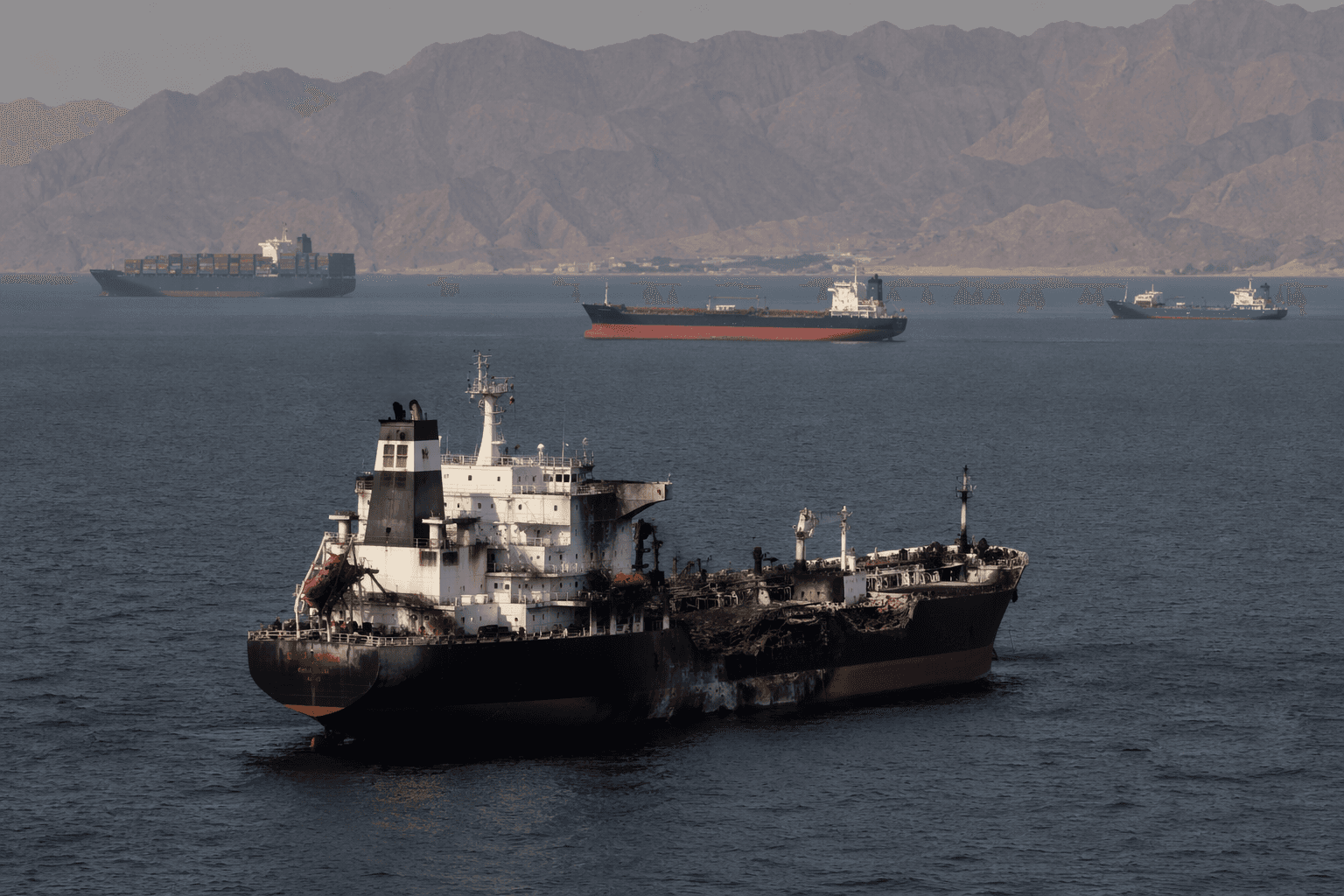
The International Maritime Organization said it was closely monitoring the crisis to protect more than 20,000 seafarers in the region, including crews stranded on ships unable to leave the strait. The agency called for attacks on ships to stop and urged member states to make sure stranded vessels had water, food, fuel and other essentials.
The backlog has already begun to move, but only slowly. CNBC reported that nearly 40 ships previously stranded in the Persian Gulf had exited through the Strait of Hormuz over the past three weeks as vessels quietly coordinated with the U.S. Navy. Even so, traffic remained far below prewar levels, and Reuters reported that shipowners in Asia and Europe said confidence in resuming transit could take weeks to rebuild.
For energy markets, that means the risk premium does not disappear with a political announcement. As long as tankers, LNG carriers and other cargo vessels face questions about prior permission, service charges, naval escorts and residual mine risk, oil prices and supply chains remain vulnerable to sudden shocks. The route can reopen on paper quickly; normal commerce in practice will take much longer.
This article was produced by Prism’s automated news system from verified source data, official records, and press releases, then run through automated quality and moderation checks before publishing. The system is built and supervised by the people who set the standards it runs under. Read our full AI policy.
Know something we missed? Have a correction or additional information?
Submit a Tip

