Israel and Lebanon extend ceasefire, launch new US security talks
Israel and Lebanon extended their truce by 45 days as U.S. talks moved to the Pentagon and State Department, even as Iran said it "cannot trust the Americans at all."
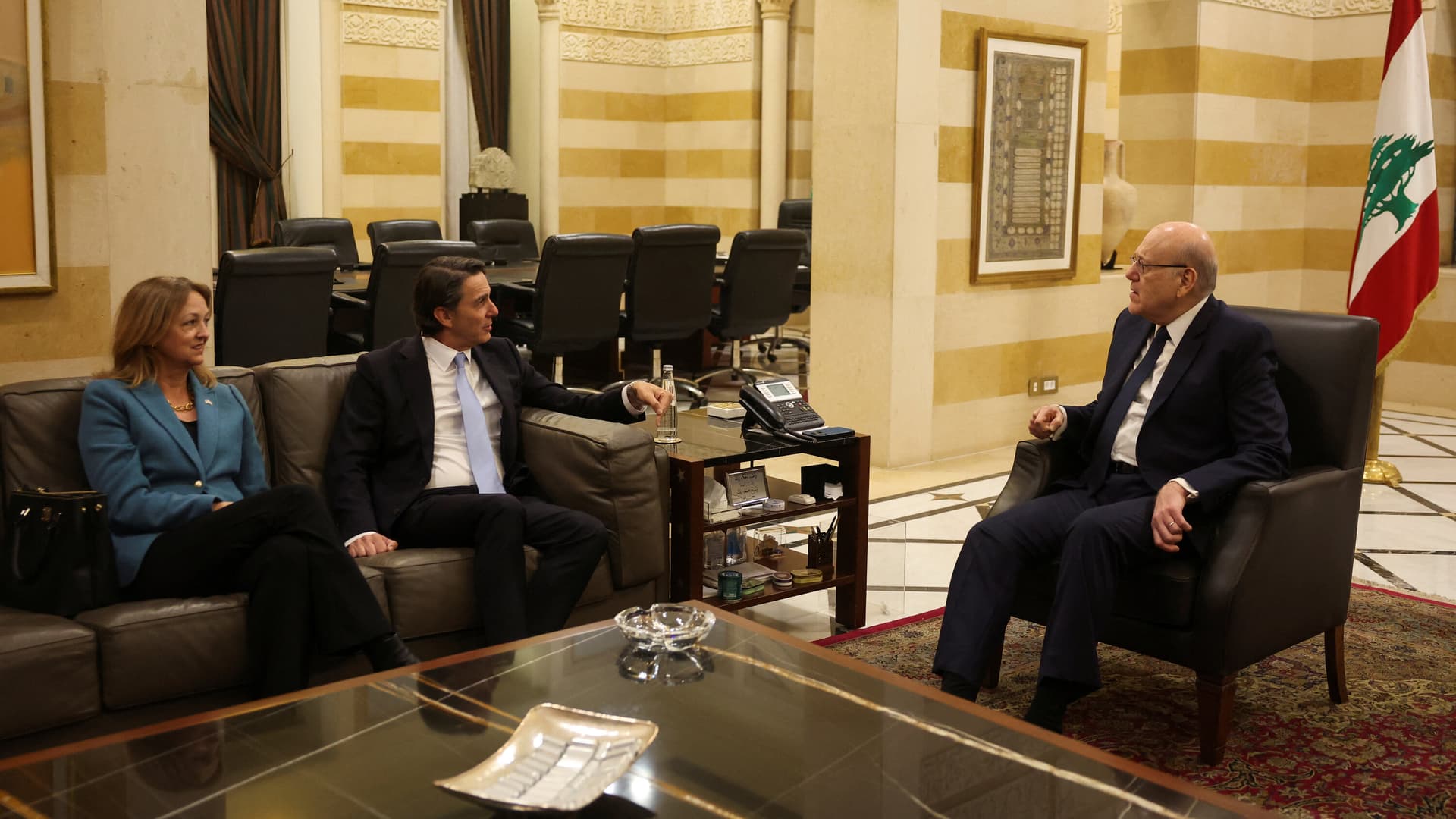
Israel and Lebanon extended their ceasefire by 45 days, pushing back a Sunday expiration and creating a narrow new window for diplomacy as U.S.-backed security talks shift to the Pentagon on May 29 and political talks resume at the State Department on June 2-3.
The extension came as Washington deepened its role in the talks, which Reuters described as the highest-level contact between Lebanon and Israel in decades. The meetings have expanded beyond diplomats to include security and military officials, a sign that the effort is moving from ceasefire maintenance toward the harder questions of border security, troop deployment and disarmament.
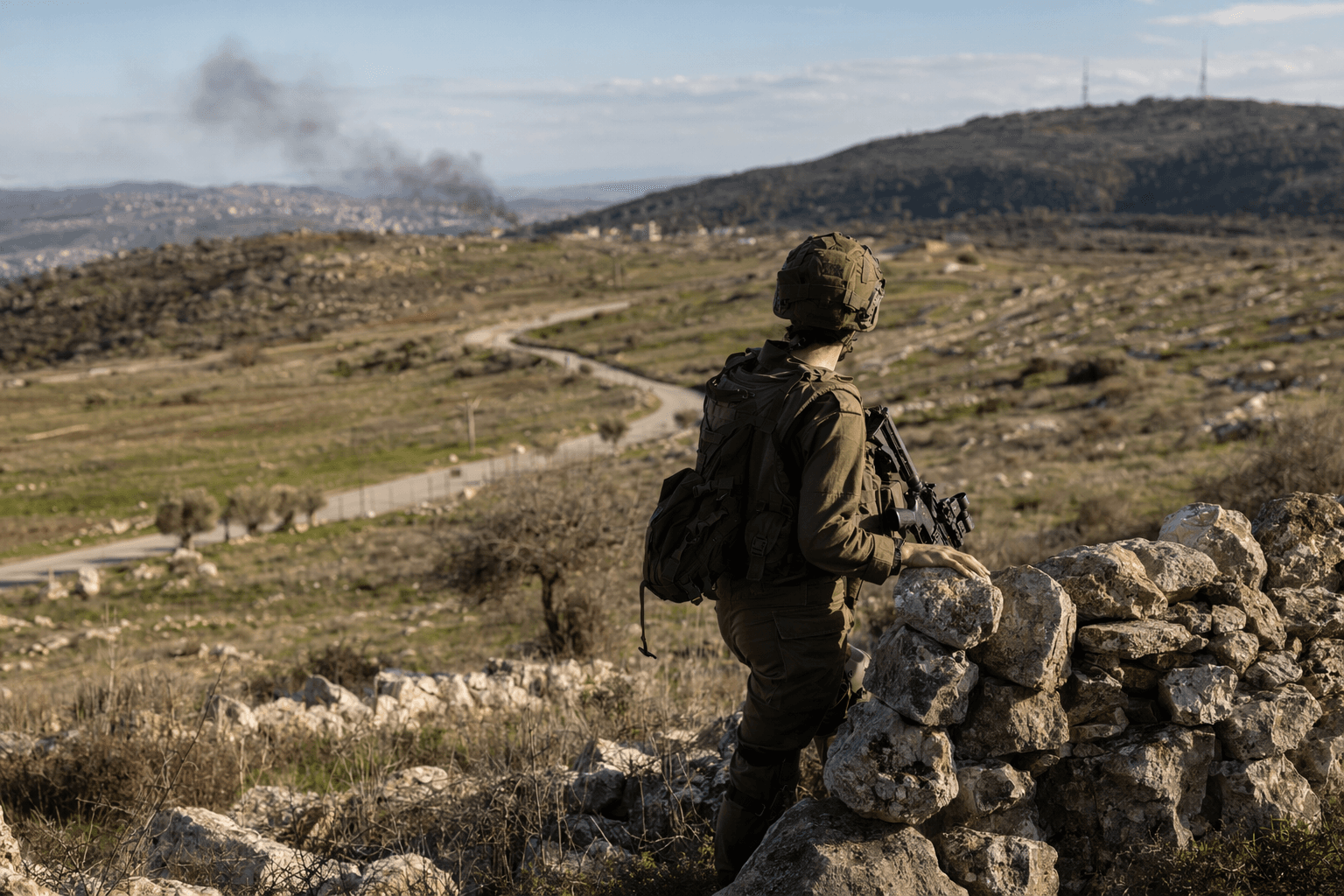
The stakes are not abstract. Reuters said Israel’s bombing campaign and ground invasion into southern Lebanon displaced about 1.2 million people. The agreement extends the April 16 cessation of hostilities and gives both sides another 45 days to try to prevent a return to full-scale fighting.
Lebanon’s delegation welcomed the outcome, saying it opened a path to “lasting stability” and provided “critical breathing space for our citizens.” Prime Minister Nawaf Salam said Lebanon has had enough “reckless” wars for foreign interests and called for Arab and international support behind Beirut’s negotiations with Israel.
Still, the process remains incomplete without Hezbollah, which is not taking part in the Washington talks even though it remains central to the conflict. Israel says Hezbollah must be disarmed as part of any broader peace agreement, a demand that underscores how far apart the sides remain even as the ceasefire holds for now.
The new timetable also runs alongside another tense diplomatic track involving Iran. Iranian Foreign Minister Abbas Araghchi said Iran “cannot trust the Americans at all,” while also signaling that Tehran was trying to keep the “shaky” ceasefire alive long enough for diplomacy to continue. That distrust hangs over the wider region, where pauses in fighting have repeatedly proved fragile.
The current extension follows an earlier truce arrangement that had already been stretched before. In January 2025, the deadline for Israeli troops to withdraw from southern Lebanon was moved to February 18 after Israel said the Lebanese army had not fully deployed and Lebanon said it could not move in until Israeli forces pulled back. The latest 45-day extension buys time, but it does not resolve the core dispute over security, sovereignty and who will enforce the peace.
This article was produced by Prism’s automated news system from verified source data, official records, and press releases, then run through automated quality and moderation checks before publishing. The system is built and supervised by the people who set the standards it runs under. Read our full AI policy.
Did this article answer your question?