Israel says Gaza strike targeted top Hamas Oct. 7 architect
Israel struck Gaza City’s Rimal neighborhood, saying it hit Izz al-Din al-Haddad, the last major Hamas commander tied to Oct. 7.

An Israeli strike in Gaza City’s Rimal neighborhood hit Izz al-Din al-Haddad, whom Israeli officials identified as the head of Hamas’ military wing in Gaza and the last major Hamas figure in the enclave tied directly to the Oct. 7 attacks. The strategic question is not just whether Haddad was killed, but whether removing him, if confirmed, would change Hamas’ command structure, the hostage talks, or the war’s broader trajectory.
Neither Israel nor Hamas immediately confirmed Haddad’s death. The uncertainty matters because the strike landed amid a shaky ceasefire and fresh accusations from both sides that the other had violated it. Palestinian medical sources said at least seven people were killed in the same day’s strikes, including three women and a child, and dozens more were wounded.
The timing added another layer of volatility. May 15 was Nakba Day, marking the 78th anniversary of the 1948 Palestinian displacement, and the strike underscored how closely the war remains tied to the politics of memory, grief and retaliation in the Palestinian territories. In practical terms, it also showed that even as negotiations continue in the background, the fighting remains capable of derailing any pause in violence.
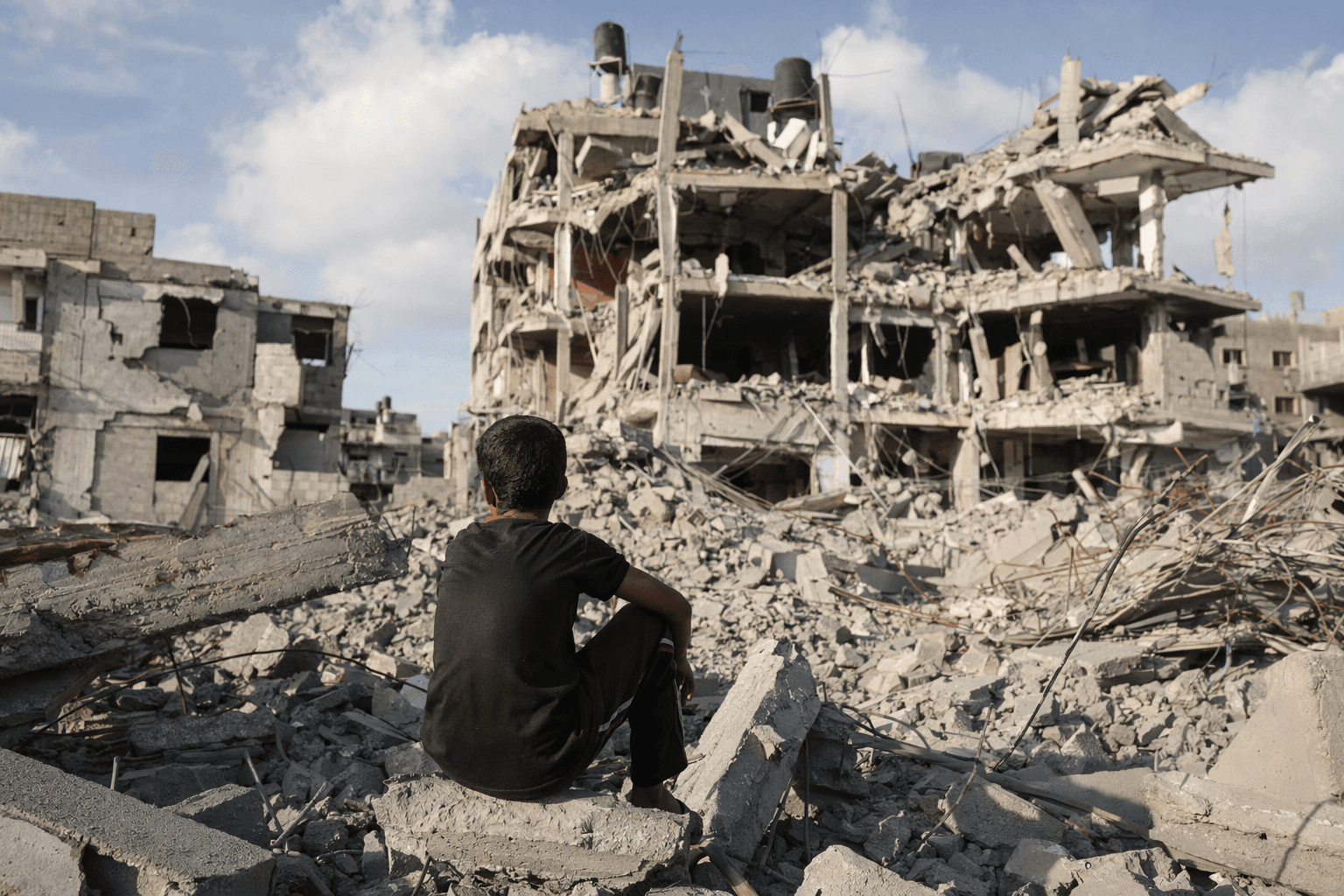
If Haddad was in fact killed, the blow would be significant but not necessarily decisive. Reports described him as the most senior remaining Hamas commander in Gaza after Israel killed Mohammed Sinwar in May 2025, leaving Hamas’ military wing, the Qassam Brigades, with fewer figures who carried direct operational responsibility for the Oct. 7, 2023 assault. But Hamas has already had to absorb the loss of senior leaders before, and the group’s ability to keep fighting has not depended on a single commander.
That is why the larger consequence may be political rather than military. Israel has now signaled that it is still targeting the men it sees as most closely linked to Oct. 7, even after months of war and repeated battlefield claims. Yet the strike by itself does not answer the harder questions: who, if anyone, can negotiate for Hamas in a way that binds its fighters, what leverage remains over the hostages still in Gaza, and whether eliminating another senior commander makes a ceasefire more likely or less stable.
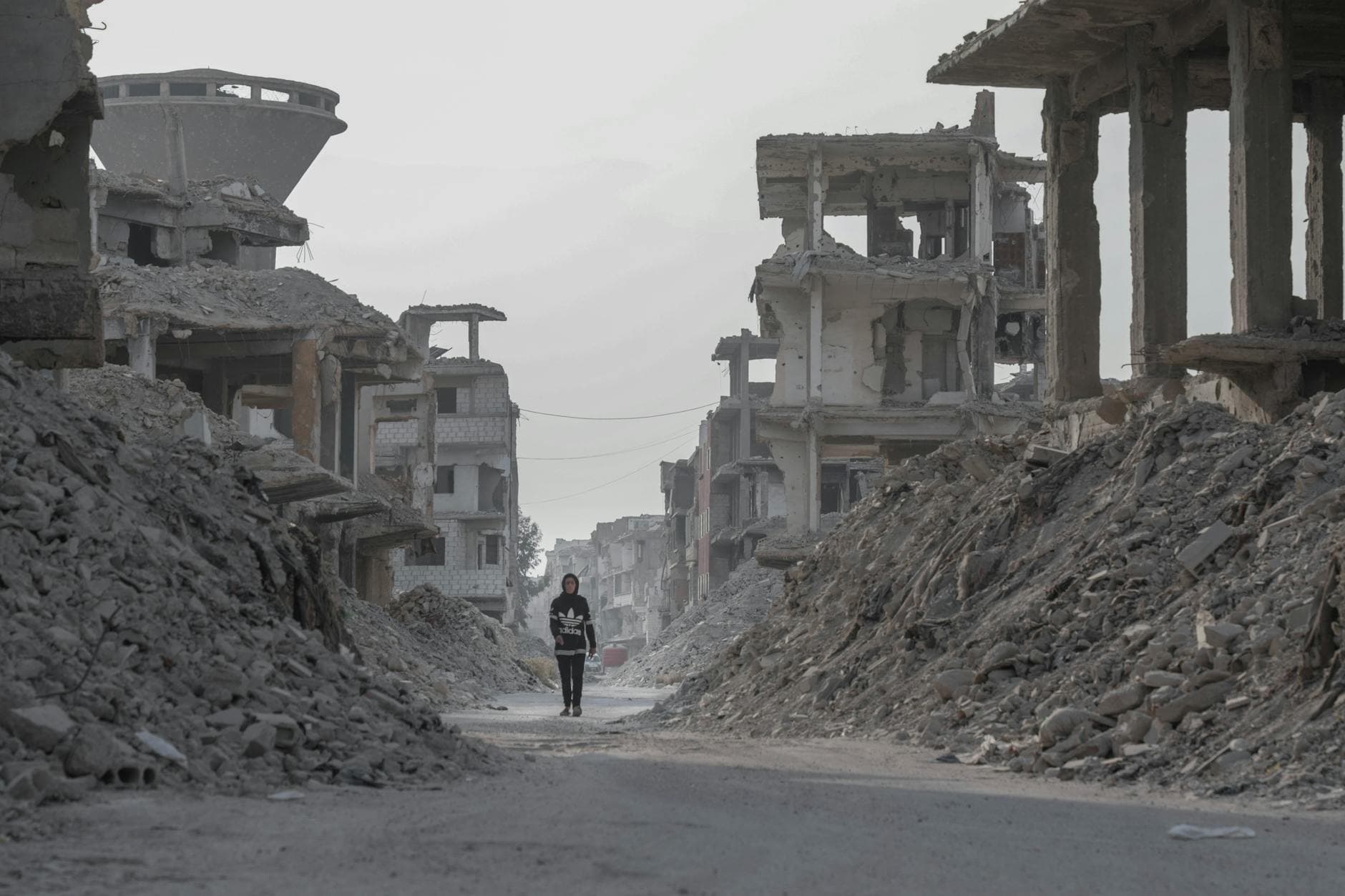
For now, the strike adds pressure without clarity. It may weaken Hamas’ already reduced leadership in Gaza, but it also leaves civilians exposed to another round of lethal strikes and keeps the war locked in the same cycle of attack, denial and escalation.
Know something we missed? Have a correction or additional information?
Submit a Tip