Israel Backs US-Iran Truce but Vows to Continue War Against Hezbollah
Israel backed the US-Iran truce but explicitly carved Lebanon out of the deal, even as strikes on Sidon killed civilians and displaced millions.
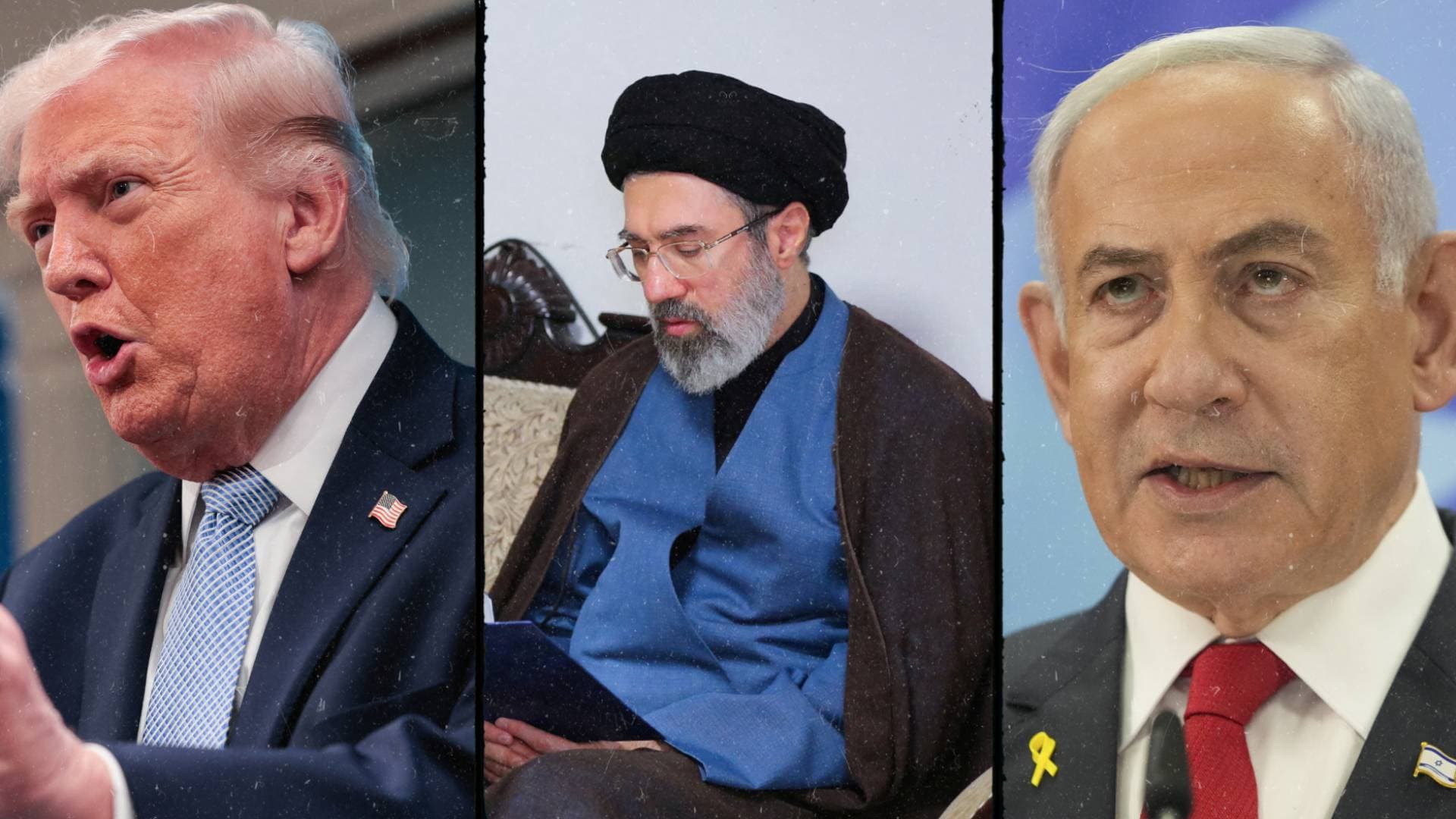
Prime Minister Benjamin Netanyahu's office endorsed the two-week US-Iran ceasefire on Wednesday but immediately drew a line that transforms the truce into a partial pause at best: the deal, Netanyahu's office declared, "does not include Lebanon." Within hours, Israeli warplanes struck Sidon in southern Lebanon, and the IDF issued a fresh evacuation order for residents north of the Al-Zahrani River, well over 40 kilometres inside Lebanese territory.
The ceasefire itself was announced by President Donald Trump on Tuesday, hours before his 8 p.m. Eastern deadline threatening to destroy Iran's power plants and bridges. The deal, reached after Pakistan's Prime Minister Shehbaz Sharif and Field Marshal Asim Munir intervened, conditions the two-week suspension of US and Israeli strikes on Iran's agreement to reopen the Strait of Hormuz. Iran's Foreign Minister Abbas Araghchi accepted the terms, and Tehran confirmed that safe passage through the strait would be possible through coordination with Iranian armed forces. Iran's Supreme National Security Council signalled the pause could extend beyond two weeks if negotiations proceed favourably, though Iranian officials were blunt that the country's missile programme is not on the table.
The contradiction that shadows the agreement surfaced immediately. Sharif announced the ceasefire covered "everywhere, including Lebanon," a framing Netanyahu explicitly rejected. Two White House officials had confirmed Israel agreed to suspend its bombing campaign against Iran specifically, not its Lebanon operations, leaving Sharif's claim unresolved and the truce's geographic scope contested on the day it was announced.
The Lebanon front offers the clearest flashpoint. Israel's offensive has killed at least 1,500 people and displaced 1.2 million, according to Lebanese authorities. The IDF's 98th Commando Division joined ground operations in southern Lebanon last week, expanding a campaign that began March 16 after Hezbollah launched rockets into Israel following the assassination of Iranian Supreme Leader Ali Khamenei. Hezbollah has not formally commented on the ceasefire, but circulated a past Khamenei statement alongside imagery of torn US and Israeli flags with the warning: "We will make the enemy kneel." The group claimed no operations after 1 a.m. Tuesday, a silence that Lebanese Prime Minister Nawaf Salam attributed to Iranian direction, noting that "Iran has been running the military campaign that Hezbollah has launched."
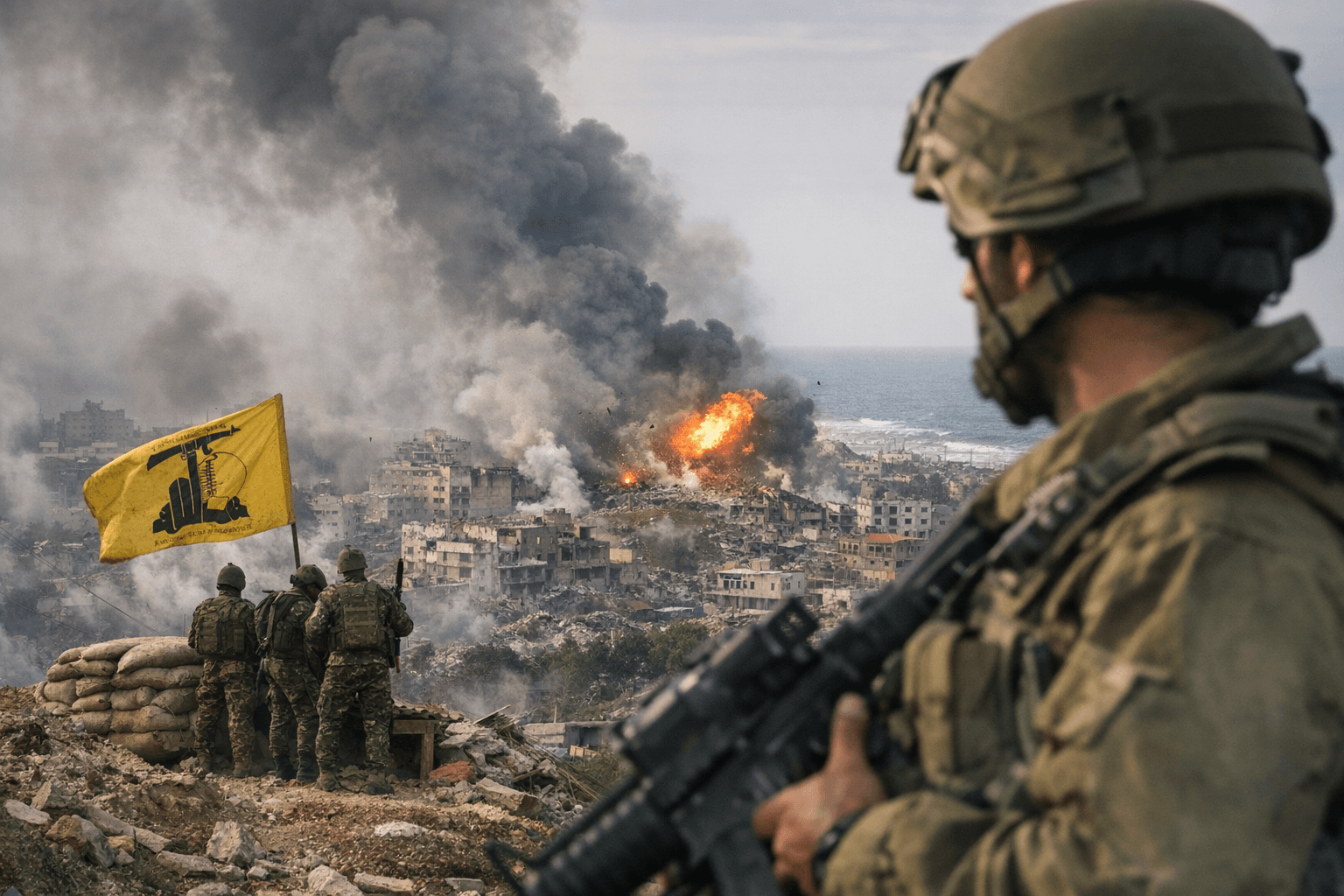
That link between Tehran and Hezbollah is precisely why the verification problem matters over the next two weeks. If Iran's ceasefire holds but Hezbollah resumes firing, Israel will use it as justification for continued and potentially expanded operations in Lebanon. If Israel's strikes in southern Lebanon provoke Hezbollah into a new barrage, Iran faces domestic pressure to respond, unravelling the pause. The Islamic Resistance in Iraq announced it would observe the ceasefire, reducing one variable, but Kuwaiti and UAE air defences were still intercepting Iranian drones targeting oil facilities, power stations, and water desalination plants as the truce took effect.
Three barometers will determine whether this pause holds or merely postpones escalation. First, shipping rates and tanker movement through the Strait of Hormuz will reflect whether Iran's commitment to reopen the waterway is operational or aspirational. Second, Hezbollah's activity in southern Lebanon, not just formal claim statements, but rocket counts and IDF strike frequencies, will signal whether the Iran-Hezbollah coordination Salam describes runs in both directions. Third, the Islamabad talks scheduled for April 10, where delegates from both sides are expected to arrive, will show whether the ceasefire is a negotiating framework or a face-saving exit from an unsustainable military exchange.
Netanyahu, whom Al Jazeera correspondents described as "very wary of the word ceasefire" and widely suspected of having derailed Oman-brokered talks earlier in the conflict, offered qualified support: Israel, his office said, backs "U.S. efforts to ensure Iran no longer poses a nuclear or missile threat." That framing keeps the war's stated objectives intact even as the guns fall quiet over Iran, and it leaves the Lebanon campaign running on its own clock, independent of whatever the diplomats negotiate in Islamabad.
This article was produced by Prism’s automated news system from verified source data, official records, and press releases, then run through automated quality and moderation checks before publishing. The system is built and supervised by the people who set the standards it runs under. Read our full AI policy.
Did this article answer your question?