Israel fight fuels record-setting Kentucky primary for Massie seat
A Kentucky primary shattered spending records as pro-Israel money, Trump backing and Massie's Israel skepticism collided in a proxy war over GOP loyalty.
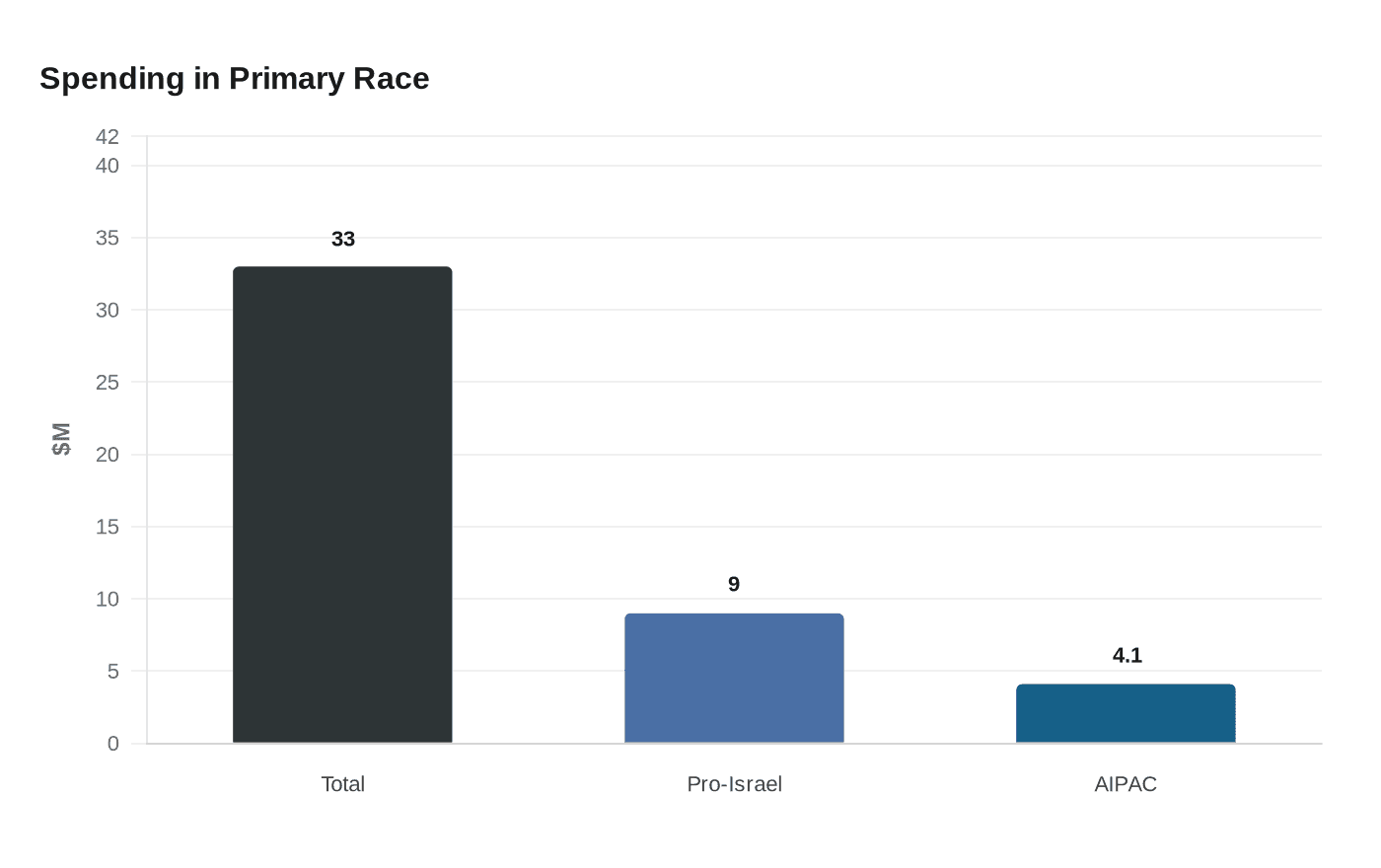
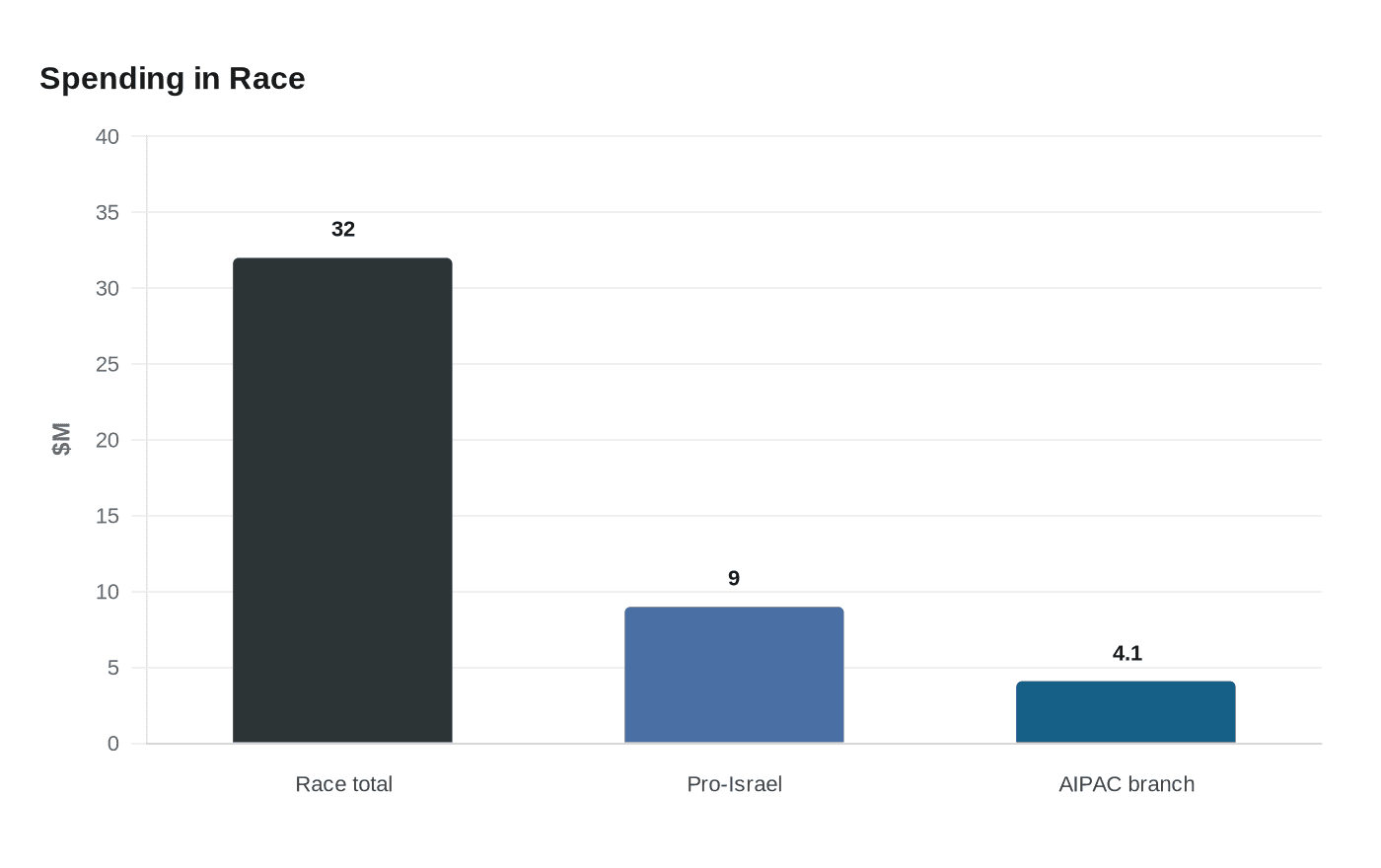
Israel has become a defining fault line in primary politics, and Thomas Massie’s defeat in Kentucky showed how far that fight has spread inside the Republican Party. In Kentucky’s 4th Congressional District, the race against Trump-backed challenger Ed Gallrein became the most expensive House primary in U.S. history, with spending topping $32 million and nearing $33 million as advertising and media flooded the district.
Pro-Israel groups were central to that spending surge. AIPAC and its affiliated spending arm, United Democracy Project, were major players, and pro-Israel organizations spent more than $9 million to try to unseat Massie. Reuters reporting put AIPAC’s election branch alone at about $4.1 million in the race, based on Federal Election Commission data. The money turned a local congressional contest into a national proxy battle over Israel, donor pressure and the boundaries of dissent in the GOP.
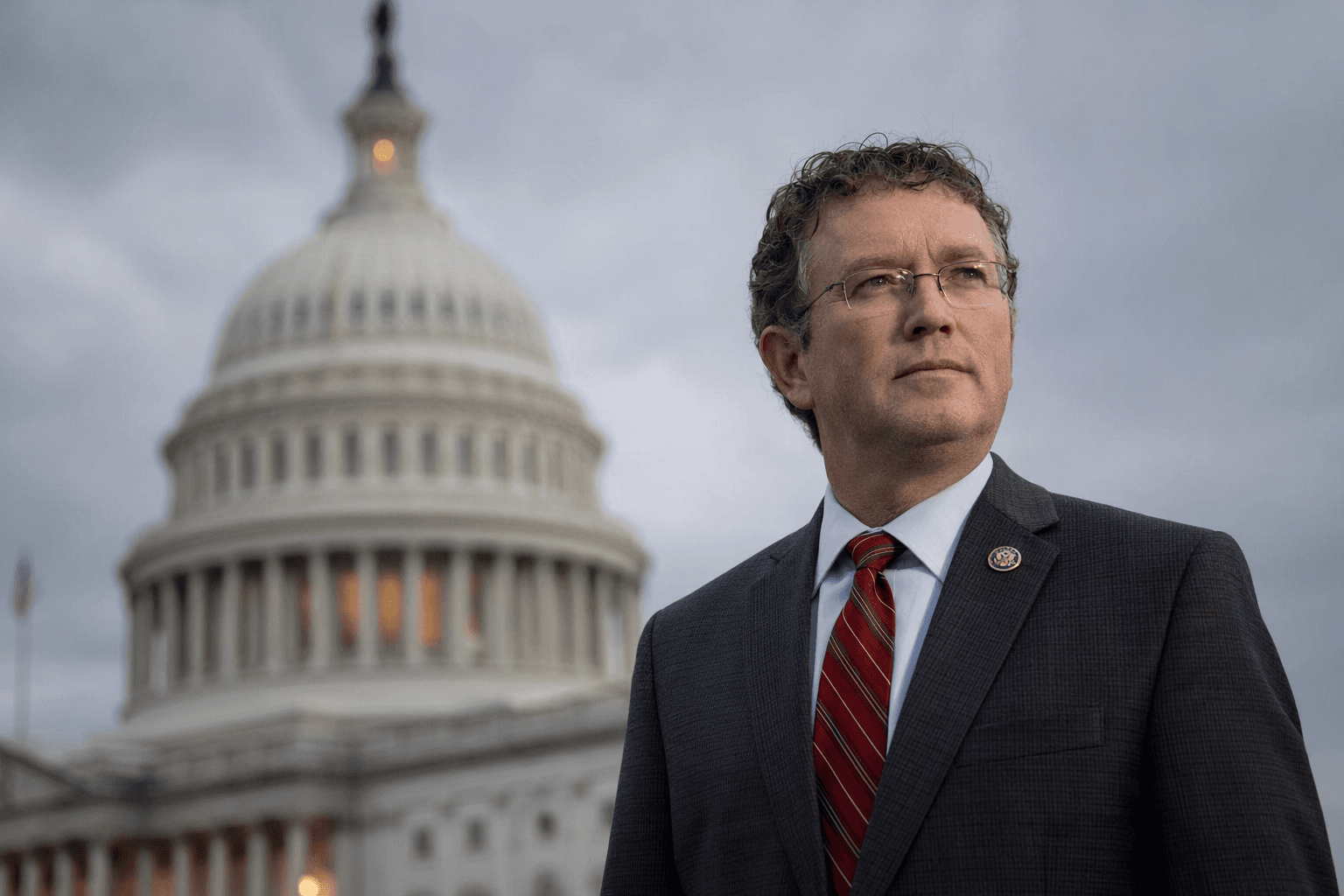
Massie, a longtime critic of foreign aid to Israel and of U.S. foreign aid more broadly, framed the flood of outside spending as an effort to buy his seat. His feud with Donald Trump went well beyond Middle East policy. Massie voted against Trump’s tax-and-spending package, opposed Trump on war powers moves involving Iran and took part in the push to release the Jeffrey Epstein files, making him a persistent thorn in the president’s side.
Trump and his allies cast the race differently. Gallrein, a Navy SEAL and veteran, had the president’s backing, and Massie’s defeat was widely treated as a victory for Trump as much as for the pro-Israel groups that invested in the contest. For Trump loyalists, the race was about removing a Republican who repeatedly defied the party’s dominant figure. For Massie’s supporters, it was proof that powerful donors and aligned groups were trying to punish a lawmaker who would not fall in line.
The fallout did not stop with the result. Massie’s parting “Tel Aviv” remark drew backlash from Ted Cruz and Meghan McCain, sharpening the sense that Israel had become a live issue not only in Democratic primaries, where skepticism toward Israel has grown, but also in Republican contests where loyalty, foreign policy and donor influence are increasingly intertwined.
What happened in Kentucky now reads like a warning to both parties. Israel is no longer just a foreign policy test in Washington. It is becoming a political litmus test in primaries, where money, ideology and allegiance can decide whether a candidate survives.
Know something we missed? Have a correction or additional information?
Submit a Tip