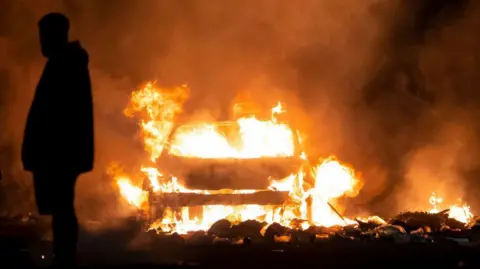
Israel, Hezbollah reach Lebanon ceasefire after violence stalls talks
A ceasefire set for 4 p.m. Friday came only after fighting killed 18 civilians and four Israeli soldiers, and sent Iran’s Geneva talks into suspension.
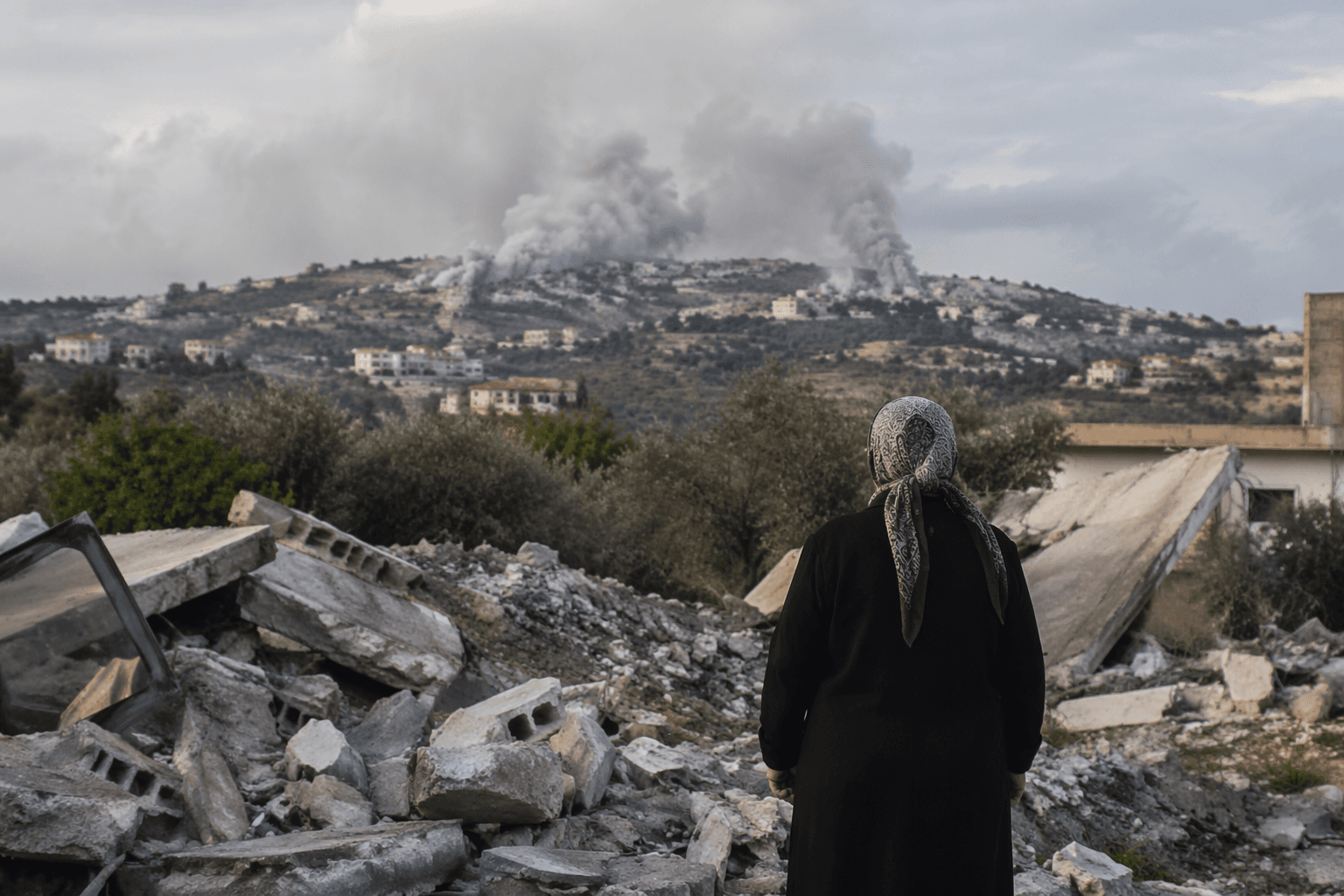
The new ceasefire between Israel and Hezbollah was designed to do more than stop the shooting: it was meant to test whether the Lebanon front can hold long enough to protect the wider U.S.-Iran opening now under strain. The agreement, reached Friday and set to begin at 4 p.m. local time, came after renewed violence in Lebanon delayed the diplomatic track between Washington and Tehran and forced planned talks in Switzerland to be put off.
The deal was brokered through the same broader channel that has tried to stabilize the border since the 2024 war scare. CBS News said the latest arrangement builds on the November 27, 2024 ceasefire, which called for a 60-day halt to hostilities, an Israeli withdrawal from southern Lebanon, and Hezbollah’s pullback north of the Litani River. United Nations reporting said that accord required Israel to leave southern Lebanon and Hezbollah to end its armed presence there within 60 days, with a monitoring structure led by the United States and involving Lebanese forces and UNIFIL.
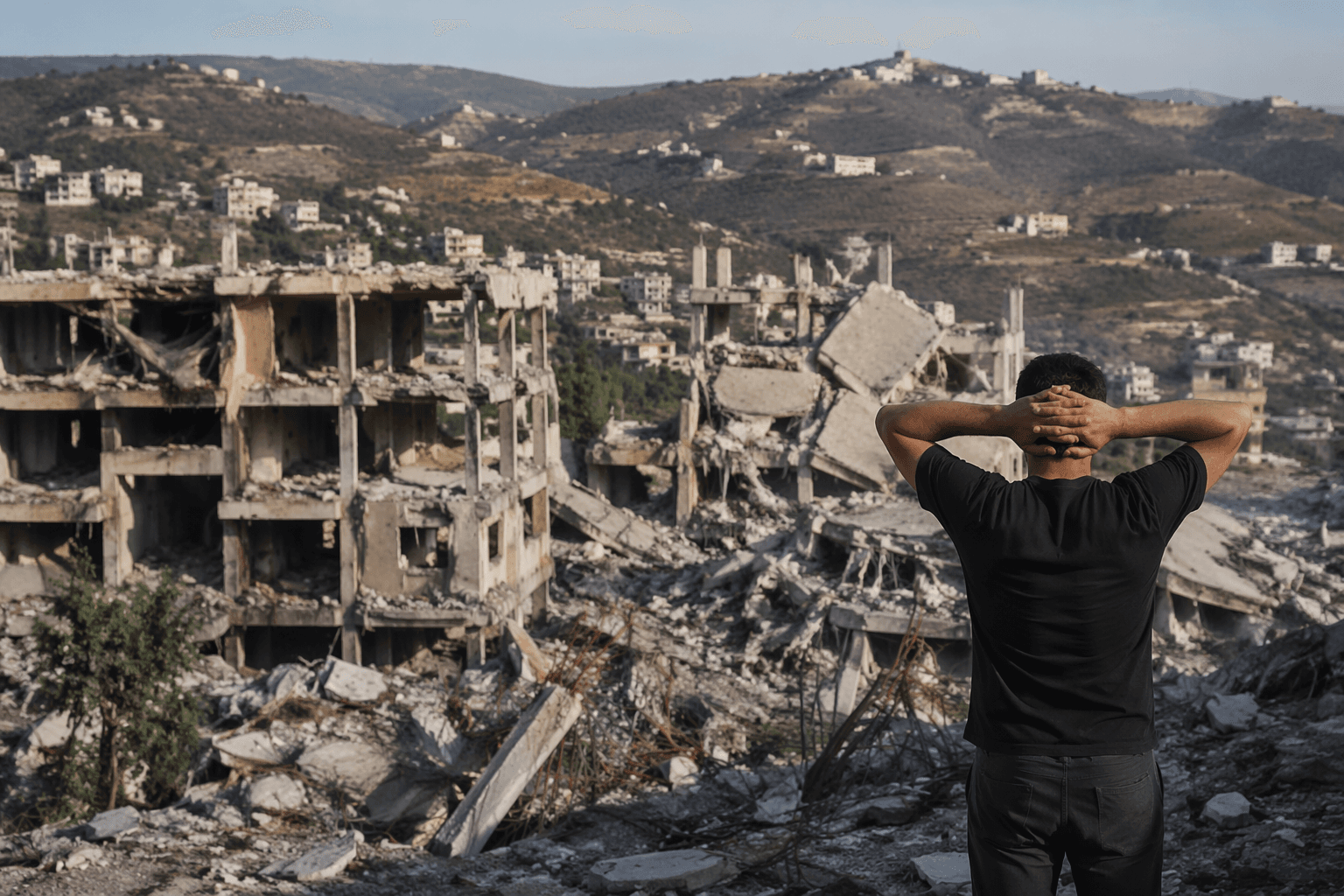
This time, the stakes were sharpened by the violence that preceded the truce. CBS News reported that at least 18 civilians were killed in Israeli strikes in Lebanon and four Israeli soldiers were killed in an attack on a tank during the latest escalation. Officials said Iran then suspended the Geneva talks, underscoring how quickly the Lebanon fighting threatened the separate U.S.-Iran interim deal that had been signed earlier in the week.
The new understanding also reflected earlier attempts to create a narrower buffer inside Lebanon itself. On June 4, CBS News reported that Israel and Lebanon had agreed to renew a fragile ceasefire and create pilot security zones in southern Lebanon where Hezbollah would be excluded. The latest U.S.-brokered deal is described as contingent on Hezbollah cutting off attacks and evacuating from a swath of southern Lebanon, a formula that depends as much on verification as on political will.
Reuters reported that a senior Israeli official and two Hezbollah sources confirmed the ceasefire. Even so, the question now is whether the arrangement marks a real de-escalation on the Israel-Lebanon front or a tactical pause forced by the pressure of broader diplomacy. With the 2024 framework still only partially realized and Lebanon repeatedly pulled into regional brinkmanship, the durability of this ceasefire will be measured not by the announcement, but by whether the guns stay silent after the first hours pass.
This article was produced by Prism’s automated news system from verified source data, official records, and press releases, then run through automated quality and moderation checks before publishing. The system is built and supervised by the people who set the standards it runs under. Read our full AI policy.
Know something we missed? Have a correction or additional information?
Submit a Tip