Meloni rebukes Trump over claim she begged for G7 photo
Meloni called Trump’s G7 photo claim “totally fabricated” as Italy’s foreign minister scrapped a U.S. trip and called the remarks offensive.
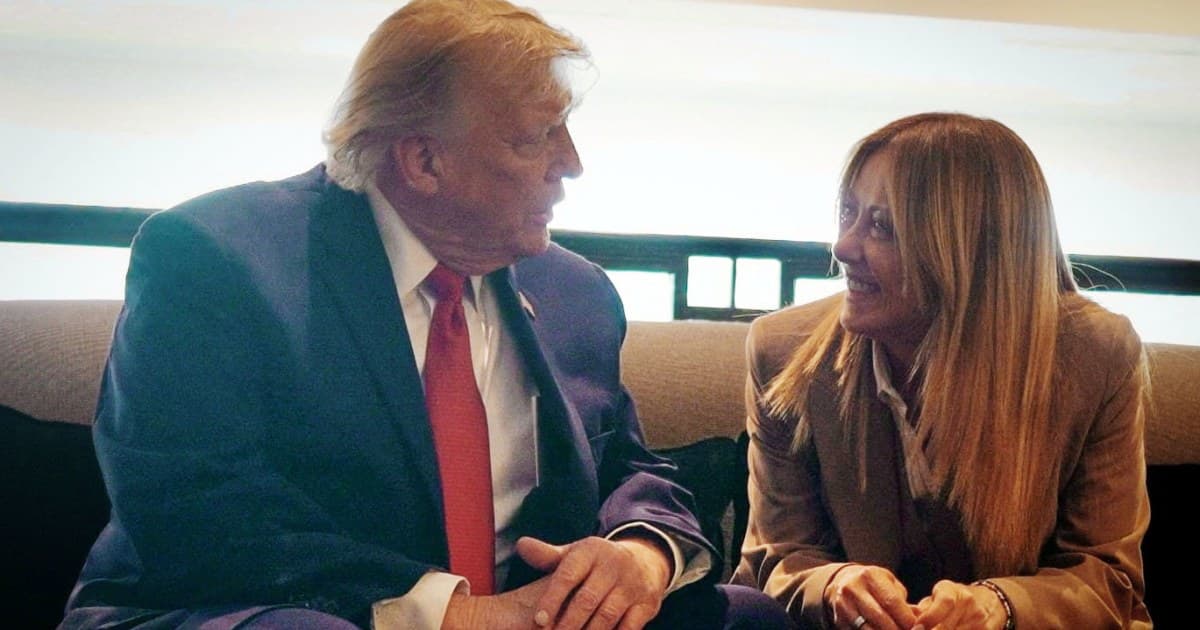
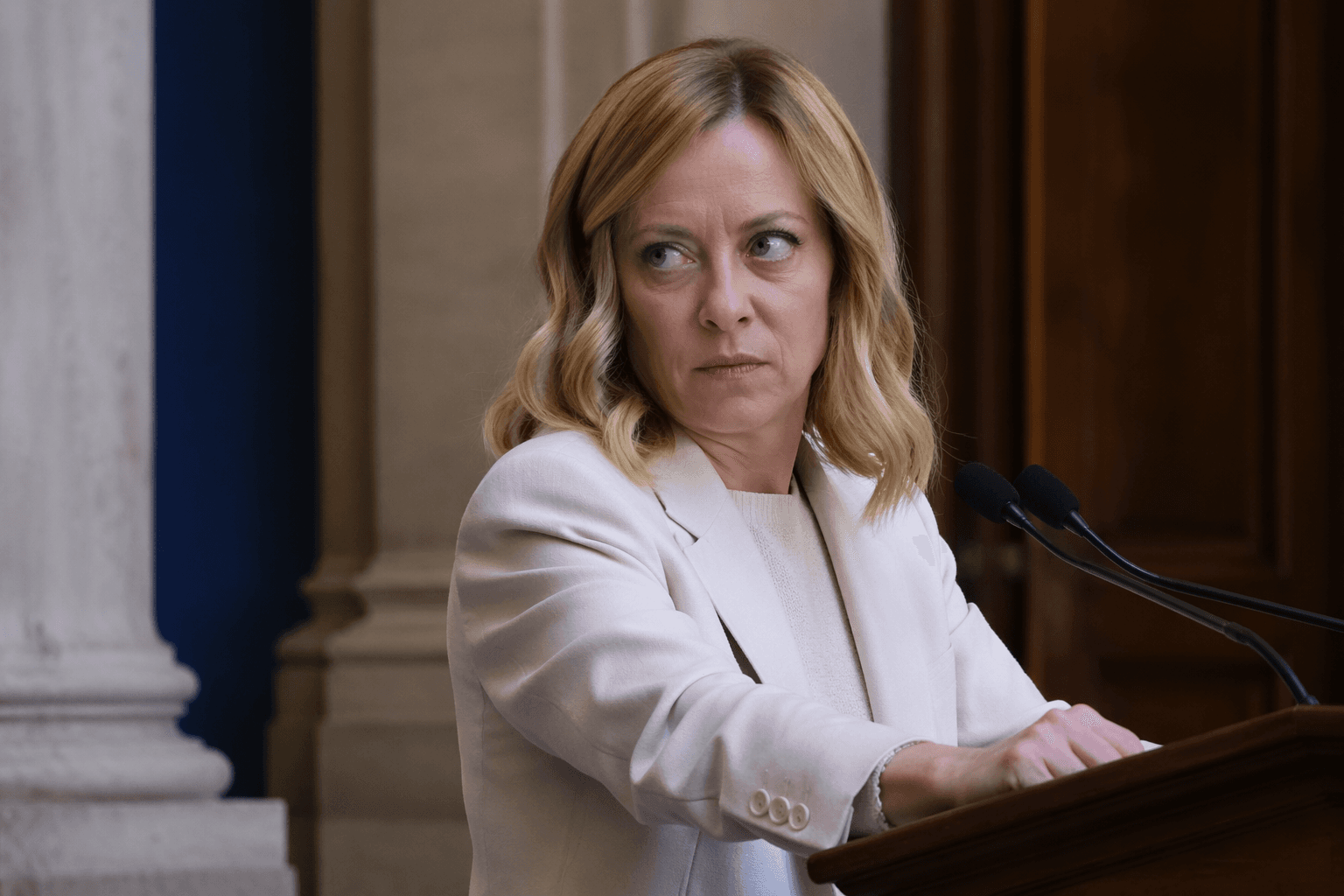
Donald Trump’s remark that Giorgia Meloni had “begged” him for a photo at the G7 summit set off a sharp public rebuke from Italy’s prime minister, turning a personal slight into a test of transatlantic discipline. Meloni said the president’s account was “totally fabricated,” “completely made up,” and that she was “astonished” by his comments.
The dispute followed Trump’s interview with Italy’s La7 television channel after the summit in Evian-les-Bains, France, where leaders gathered from June 15 to June 17, 2026. La7 aired a dubbed Italian version of the exchange and did not release the original audio, but the translated remarks reported Trump saying he “felt sorry” for Meloni and would not have taken the photo otherwise. Meloni answered with a line that cut at both the personal and political level: “Italy and I do not beg.”
The clash matters because the argument was not just about one photo, but about how a G7 summit is supposed to work. On June 16, the leaders posed for the official family photo, with Trump, Meloni, French President Emmanuel Macron, Canadian Prime Minister Mark Carney, Japanese Prime Minister Sanae Takaichi, German Chancellor Friedrich Merz and British Prime Minister Keir Starmer among those in the frame. In summit diplomacy, that kind of image is meant to project coordination and shared purpose. Instead, the row exposed how quickly a performative remark can puncture the staging.
The fallout moved immediately into government circles in Rome. Italian Foreign Minister Antonio Tajani canceled a planned trip to the United States this weekend and called Trump’s comments “serious and offensive” toward Meloni and all of Italy. That response signaled that the dispute had outgrown social media style theater and had become an irritant in the broader U.S.-Italy relationship.
For Meloni, the episode was especially awkward because she had long been viewed as one of Trump’s closest allies in Europe. That history made the public accusation more politically damaging, not less. When a key European leader openly accuses a sitting U.S. president of fabrication, the issue is no longer just personal grievance. It becomes a test of whether alliance diplomacy can survive in an era when summit imagery, political insult and real statecraft are increasingly entangled.
This article was produced by Prism’s automated news system from verified source data, official records, and press releases, then run through automated quality and moderation checks before publishing. The system is built and supervised by the people who set the standards it runs under. Read our full AI policy.
Know something we missed? Have a correction or additional information?
Submit a Tip